US Endorses Pakistan's Actions Against Taliban, Ignoring Humanitarian Concerns
Washington's backing of Pakistan's strikes in Afghanistan raises questions about civilian casualties and the potential for further destabilization in a region already grappling with immense suffering.
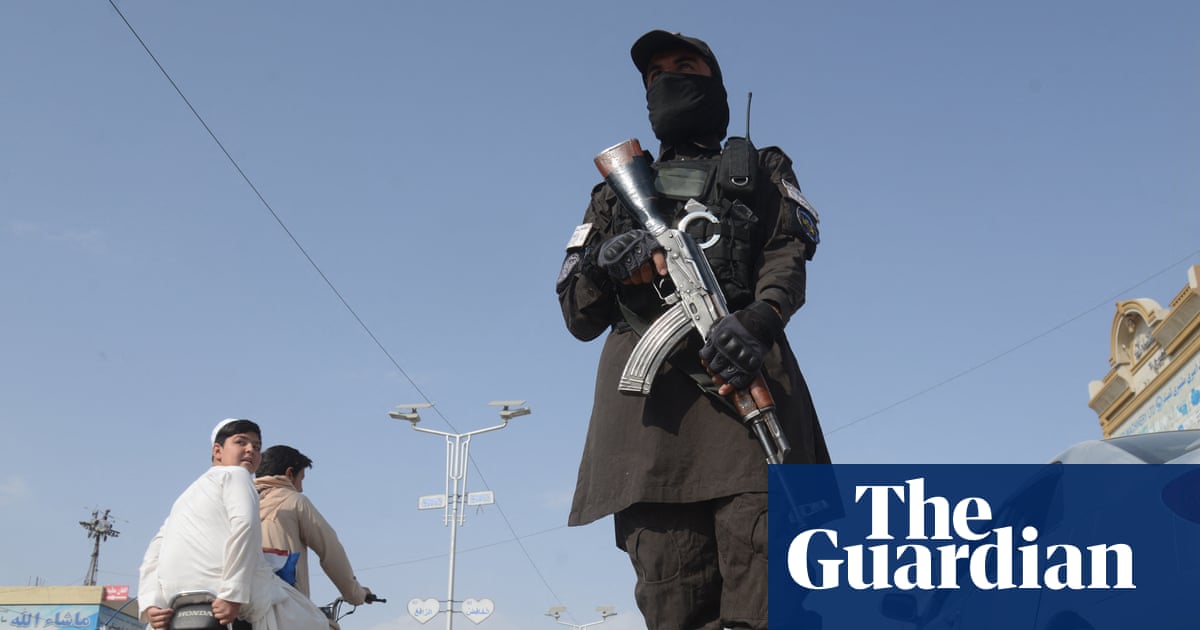
The United States' endorsement of Pakistan's “right to defend itself” after bombings in Afghanistan reveals a troubling disregard for the humanitarian consequences and the potential for further destabilization in the region. While the US cites concerns about Taliban-supported militant groups, the impact of these actions on vulnerable Afghan civilians demands greater scrutiny.
The recent Pakistani strikes on Kabul, Kandahar, and other Afghan cities have undoubtedly exacerbated an already dire humanitarian situation. Afghanistan continues to struggle with poverty, displacement, and the lingering effects of decades of conflict. The bombing campaigns, regardless of their stated target, inevitably inflict suffering on ordinary Afghans, many of whom are already marginalized and struggling to survive.
It's crucial to examine the historical context of US involvement in the region. The chaotic withdrawal of US-led forces in 2021 created a power vacuum that the Taliban swiftly filled. The legacy of that intervention, including the arming and training of various factions, continues to fuel instability and contribute to the current crisis. The US now finds itself in a position where its support for Pakistan risks further entrenching a cycle of violence and suffering.
Instead of offering blanket endorsements of military action, the US should prioritize diplomatic solutions that address the root causes of the conflict and protect civilian lives. This includes pressuring Pakistan to pursue de-escalation and engage in meaningful dialogue with the Taliban government. It also requires a more nuanced understanding of the complex political landscape in the region, one that moves beyond simplistic narratives of terrorism and recognizes the legitimate grievances and aspirations of the Afghan people.
The Taliban's offer to resolve the dispute through dialogue should be taken seriously. While the Taliban's human rights record is deeply concerning, refusing to engage in negotiations only serves to prolong the conflict and perpetuate the suffering of the Afghan people. The international community, including the US, must actively facilitate a peace process that includes all relevant stakeholders and prioritizes the protection of human rights.
The EU and UK have rightly called for de-escalation and a return to negotiations. However, these calls must be backed by concrete actions, such as increased humanitarian aid and diplomatic pressure on both sides to commit to a peaceful resolution. The international community also has a responsibility to hold Pakistan accountable for any violations of international law, including humanitarian law, during its military operations.


