Israeli Attacks on Tehran Threaten Further Destabilization of Already Fragile Region
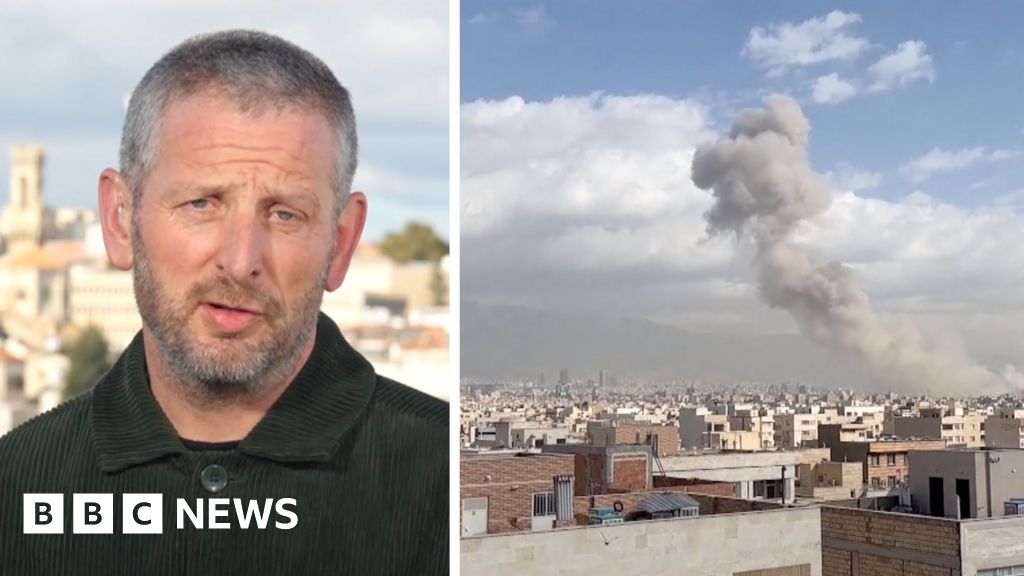
Explosions rock Tehran following reported Israeli strikes, raising fears of a wider conflict and increased human suffering.

Reports of Israeli attacks on Tehran, marked by multiple explosions, represent a dangerous escalation in an already volatile region. These actions threaten to exacerbate existing humanitarian crises and further destabilize a region grappling with multiple interconnected conflicts and inequalities. The potential for increased civilian casualties and displacement is a grave concern.
For decades, the region has been plagued by geopolitical maneuvering, often at the expense of local populations. These latest attacks risk igniting a broader conflict, diverting resources away from vital social programs and perpetuating cycles of violence. The human cost of such escalation would be devastating, particularly for vulnerable communities already struggling with poverty, displacement, and lack of access to essential services.
It is crucial to understand the historical context of these attacks. Decades of foreign intervention, economic sanctions, and proxy wars have created a complex web of grievances and power struggles. The Israeli-Palestinian conflict remains a central issue, fueling regional tensions and providing a pretext for external actors to intervene. These attacks will undoubtedly further fuel anti-Western sentiment and resentment of Israeli policy. The root causes of this conflict must be addressed to achieve lasting peace and stability.
The international community must condemn these attacks in the strongest possible terms and prioritize diplomatic efforts to de-escalate the situation. Sanctions and other forms of economic pressure should be carefully targeted to avoid harming civilian populations. Humanitarian aid must be increased to address the immediate needs of those affected by the violence. Furthermore, long-term solutions must focus on addressing the underlying causes of the conflict, including economic inequality, political marginalization, and historical injustices.
The focus must be on the safety and well-being of civilians. All parties must adhere to international humanitarian law and take all necessary precautions to avoid harming innocent people. Independent investigations into alleged war crimes and human rights violations must be conducted, and perpetrators must be held accountable.
The impact on marginalized communities will be disproportionately severe. Women, children, and refugees are particularly vulnerable to violence and exploitation during times of conflict. Special attention must be paid to their needs, and efforts must be made to protect them from harm.
These attacks highlight the urgent need for a new approach to foreign policy, one that prioritizes diplomacy, human rights, and sustainable development. Military intervention and regime change have consistently failed to achieve their stated goals and have often exacerbated existing problems. A more just and equitable world requires a commitment to peaceful conflict resolution, international cooperation, and respect for human dignity.
The situation demands immediate action to prevent further bloodshed and protect vulnerable populations. The international community must stand in solidarity with the people of Iran and the region, offering support and assistance to those affected by the violence. Only through a concerted effort can we hope to build a more peaceful and just future for all.
Furthermore, the role of arms manufacturers and the military-industrial complex in perpetuating these conflicts cannot be ignored. The pursuit of profit often trumps concerns for human life, fueling the cycle of violence and undermining efforts to achieve peace. A critical examination of the global arms trade is essential to address the root causes of conflict.
Alternative dispute resolution mechanisms, such as mediation and arbitration, should be prioritized over military intervention. Investing in peacebuilding initiatives and supporting civil society organizations working to promote reconciliation and dialogue is crucial to fostering long-term stability.
Progressive movements around the world must unite to demand an end to these senseless attacks and advocate for a more just and peaceful world. Our collective voice can make a difference in shaping a more humane and equitable future for all.
The reported Israeli attacks underscore the fragility of peace in the region and the urgent need for a comprehensive approach that addresses the root causes of conflict, protects vulnerable populations, and prioritizes diplomacy over military force.