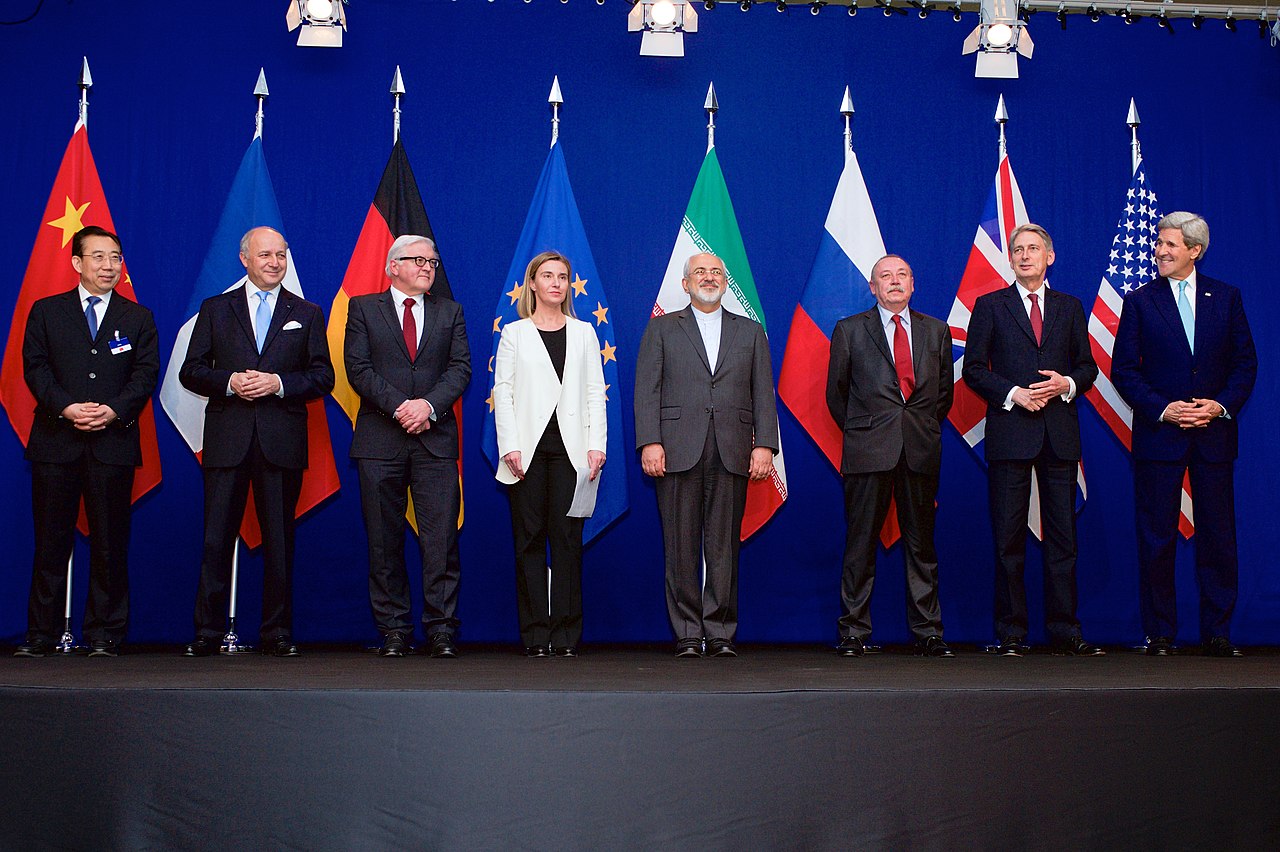
US-Iran Talks Imperiled by Trump's Unilateral Demands, Threatening Regional Stability
As negotiations stall, the pursuit of peace hinges on addressing the root causes of inequality and respecting Iran's sovereignty.
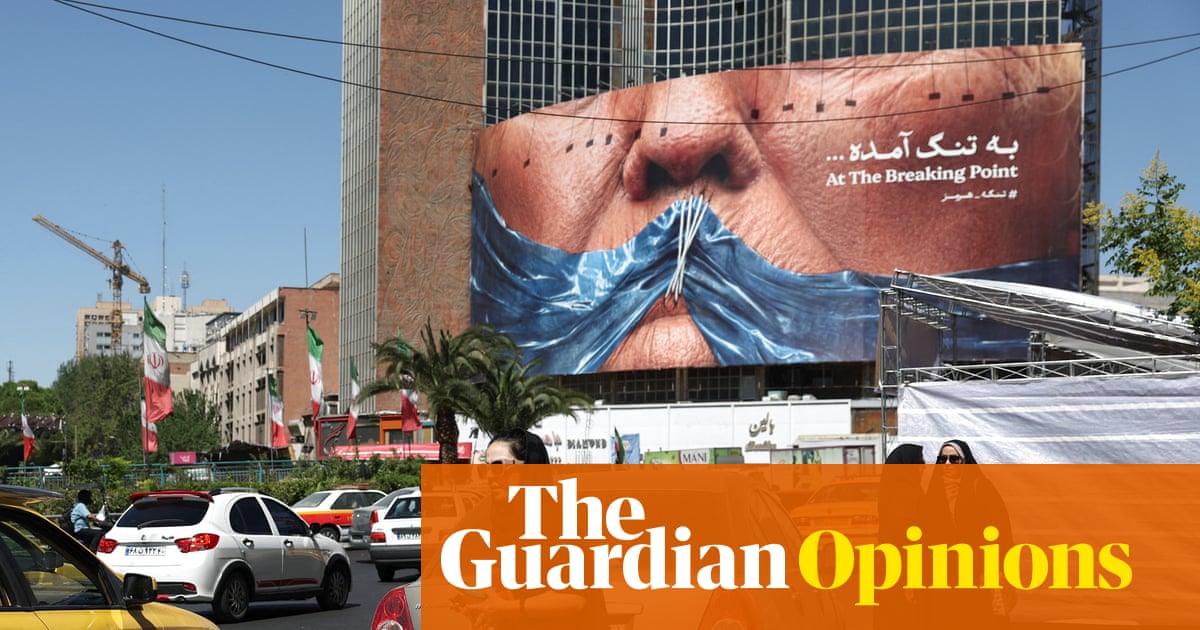
The fragile ceasefire between the US and Iran hangs in the balance, threatened by the Trump administration's inflexible demands and disregard for international norms, jeopardizing prospects for a lasting peace and exacerbating regional instability. The ongoing crisis, fueled by decades of US interventionism and economic sanctions, underscores the urgent need for a shift towards diplomacy and a commitment to addressing the underlying inequalities that perpetuate conflict.
President Trump's erratic behavior, exemplified by his initial contemplation of renewed military strikes and subsequent optimistic pronouncements, highlights the instability of the US approach. The administration's insistence on the immediate opening of the Strait of Hormuz and the complete dismantling of Iran's nuclear program ignores the legitimate security concerns and economic needs of the Iranian people.
The US demand for the removal of Iran's entire enriched uranium stockpile and a permanent ban on enrichment activities represents an infringement on Iran's sovereignty and its right to develop peaceful nuclear technology. This demand overlooks the historical context of US-led efforts to isolate and economically cripple Iran, contributing to a climate of distrust and resentment.
Iran's proposal for a phased approach, including the extension of the ceasefire to Lebanon, the opening of the Strait of Hormuz, and the easing of sanctions, offers a pathway to de-escalation and a more equitable resolution. However, the Trump administration's unwavering support for Israel's hardline policies and its insistence on limiting Iran's regional influence pose significant obstacles.
The US and Israel's demand that Iran cease support for regional partners such as Hezbollah, Hamas, and Ansar Allah reflects a selective application of international law and a disregard for the complex political dynamics of the region. These groups, often marginalized and oppressed, represent legitimate voices within their respective societies and their support cannot be simply equated with terrorism.
The emphasis on Iran's nuclear program distracts from the broader issues of regional security and the need for a comprehensive approach to disarmament. The US, with its vast nuclear arsenal and history of military interventions, lacks the moral authority to dictate the terms of Iran's nuclear program. The focus should instead be on fostering mutual trust and cooperation through verifiable arms control agreements.