U.S.-Iran Talks in Pakistan Offer Hope for Regional De-escalation and Humanitarian Relief
Vice President JD Vance's delegation to Pakistan signals a chance to prioritize diplomacy and address the human cost of conflict.

Islamabad, Pakistan - As Vice President JD Vance leads a U.S. delegation to Pakistan for cease-fire talks with Iranian officials, the potential for a reduction in regional violence offers a glimmer of hope for millions impacted by ongoing conflicts. The talks represent an opportunity to shift away from militaristic approaches and prioritize diplomatic solutions that can alleviate human suffering.
The selection of Pakistan as the venue underscores the importance of neutral actors in facilitating dialogue. Pakistan's relationship with both the U.S. and Iran provides a crucial bridge for communication, potentially paving the way for de-escalation and humanitarian access in conflict zones.
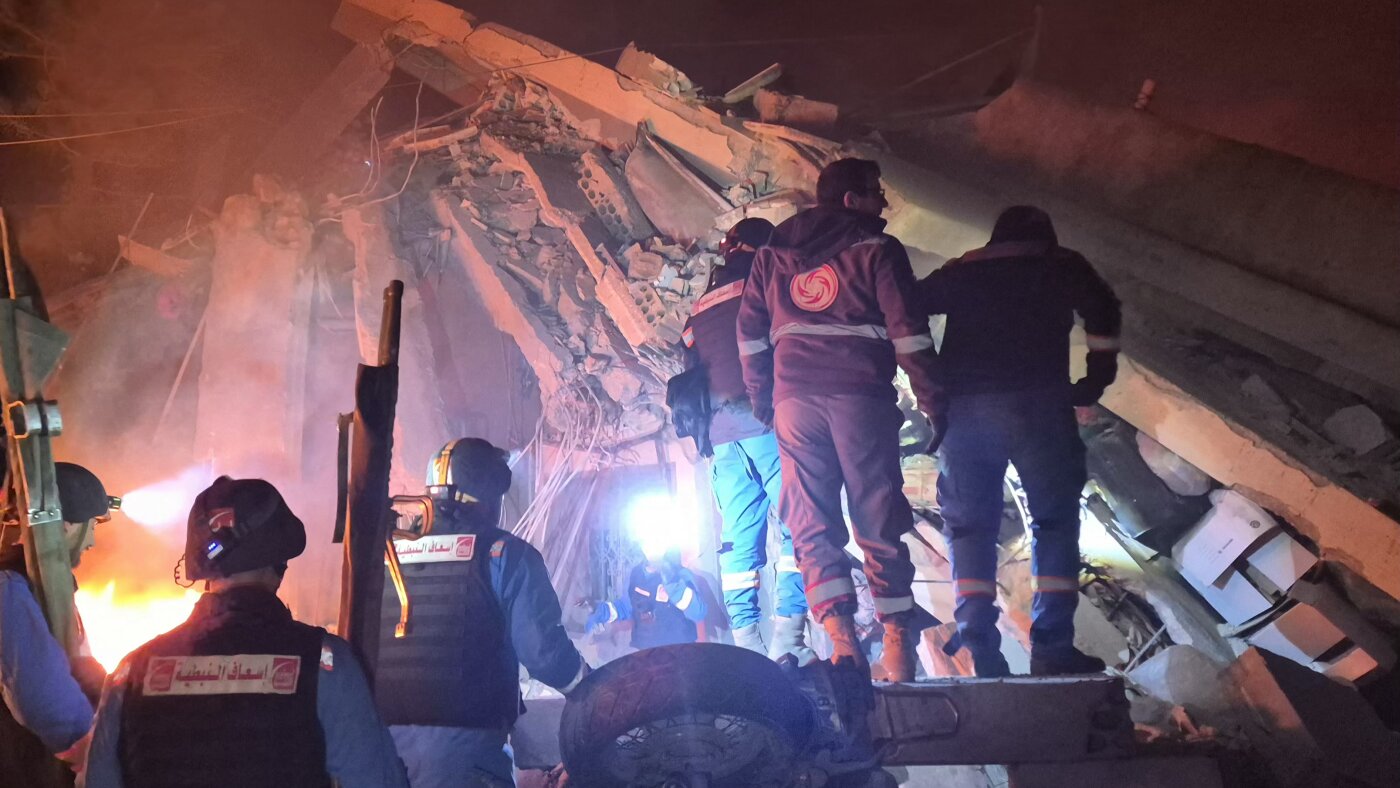
The focus on a cease-fire is particularly relevant in countries like Yemen, Syria, and Iraq, where protracted conflicts have resulted in widespread displacement, famine, and human rights abuses. The talks could provide a framework for addressing the root causes of these conflicts and ensuring the protection of vulnerable populations.
While the details of the cease-fire remain undisclosed, it is essential that any agreement includes provisions for humanitarian aid, the protection of civilians, and accountability for war crimes. The U.S. delegation must prioritize the needs of the most vulnerable and ensure that any deal promotes human rights and social justice.
Critics argue that past U.S. policies, including the withdrawal from the JCPOA, have contributed to the current instability. These talks offer a chance to course-correct and demonstrate a commitment to multilateralism and peaceful conflict resolution. The U.S. must approach the negotiations with humility and a willingness to address the legitimate concerns of all parties involved.
Experts emphasize that a lasting peace requires addressing the underlying social and economic inequalities that fuel conflict. The talks in Pakistan should be viewed as a starting point for a broader dialogue that includes civil society organizations, local communities, and marginalized groups.
The historical context of U.S.-Iran relations highlights the need for a fundamental shift in approach. The legacy of interventionism and sanctions has created deep distrust and resentment. To build a more stable and just future, the U.S. must prioritize diplomacy, economic cooperation, and respect for sovereignty.
The current talks represent a significant opportunity to reverse the cycle of violence and promote a more peaceful and equitable world. The U.S. delegation must seize this opportunity to advance human rights, protect vulnerable populations, and build a more just and sustainable future for all.
The involvement of Vice President Vance suggests a high-level commitment to these negotiations. However, it is crucial that his actions align with progressive values of peace, justice, and human rights. The U.S. must be a force for good in the world, promoting diplomacy and cooperation over militarism and intervention.
Ultimately, the success of these talks will depend on the willingness of all parties to prioritize the needs of the people and work towards a future of peace and justice. The international community must hold the U.S. accountable for its actions and ensure that it upholds its commitments to human rights and international law.
Sources:
* United Nations Human Rights Office * International Crisis Group