US Military Escalation Looms as Iran Nuclear Talks Falter, Risking Further Instability
Contingency plans to cripple Iran's military capabilities raise concerns about the potential for wider conflict and humanitarian consequences in a region already struggling.
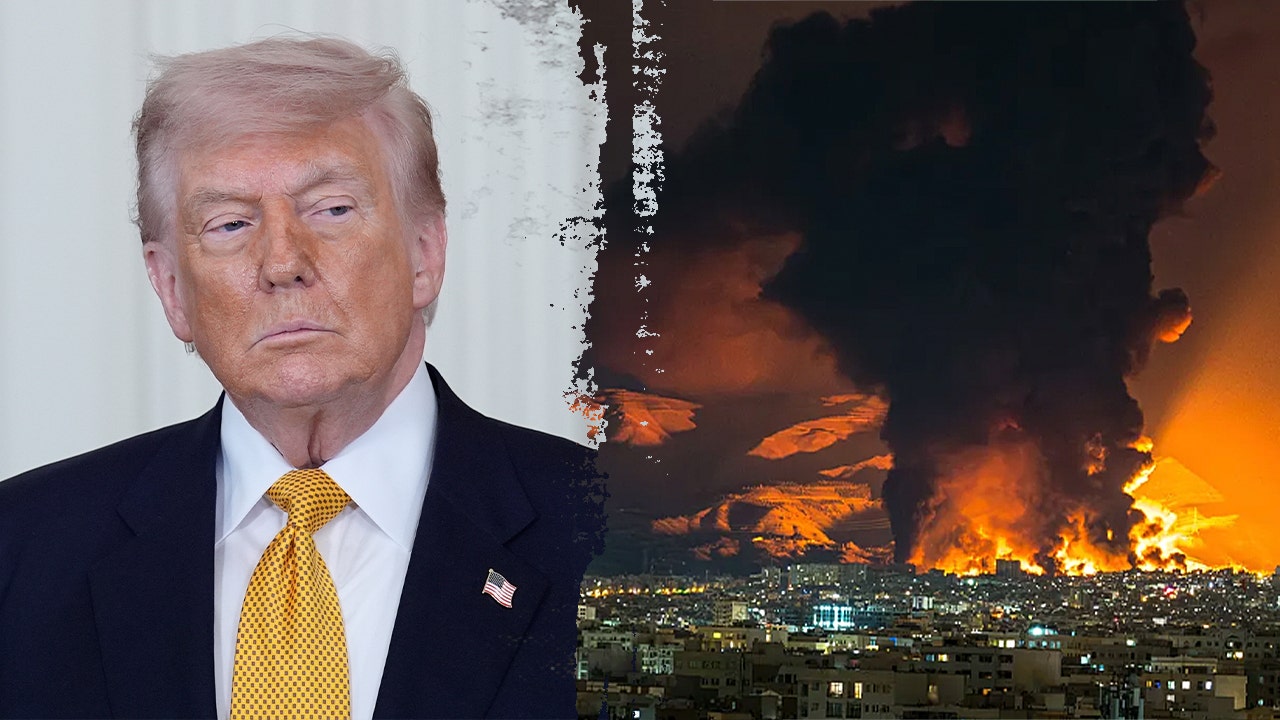
Washington - As negotiations with Iran over its nuclear program teeter on the brink of collapse, the U.S. military is reportedly preparing plans to degrade Tehran’s military capabilities. This strategy, prioritizing the dismantling of Iran's regional power projection, raises serious concerns about escalating conflict and its potential human cost.
The push for a preliminary framework agreement, intended to ease tensions and initiate broader talks on Iran's nuclear program and sanctions relief, is hampered by deep-seated mistrust between the U.S. and Iran. This lack of trust, some analysts suggest, is rooted in a history of intervention and broken promises.
Retired Army Lt. Col. Seth Krummrich highlights the extreme fragility of the situation, stating that negotiations begin “at minus 1,000” due to the mutual distrust. This perspective underscores the urgent need for de-escalation and a focus on diplomatic solutions that address the underlying grievances of both sides.
Tensions flared recently when a senior U.S. official confirmed that American forces struck Iran’s Qeshm port and Bandar Abbas, key locations near the Strait of Hormuz. While officials claim the operation did not violate the ceasefire, it undoubtedly exacerbated tensions and undermines the fragile diplomatic process. Such actions risk triggering a cycle of retaliation and escalation.
The U.S. strike followed an Iranian missile launch targeting the UAE’s Fujairah Port, an action condemned by Gulf allies. However, focusing solely on Iranian actions without acknowledging the broader context of regional power dynamics and historical grievances risks oversimplifying a complex situation.
President Donald Trump has repeatedly threatened military action if negotiations fail, signaling a willingness to target Iran's energy infrastructure and economic assets. Such a strategy would disproportionately impact the Iranian people, exacerbating existing economic hardships and potentially fueling social unrest.
Retired Air Force Lt. Gen. David Deptula described a potential renewed conflict as a “contest for escalation control.” However, the pursuit of military dominance risks overlooking the importance of addressing the root causes of regional instability, including economic inequality, political marginalization, and historical grievances.
The focus on dismantling Iran’s military capabilities – including ballistic missiles, cruise missiles, air defense systems, and proxy support channels – fails to acknowledge the legitimate security concerns that drive Iran’s defense policies. A more sustainable approach would involve addressing these concerns through diplomacy and regional security cooperation.
White House spokesperson Olivia Wales asserted that President Trump retains all options to prevent Iran from acquiring nuclear weapons. However, the pursuit of military solutions carries significant risks, including the potential for miscalculation, unintended consequences, and a wider regional conflict that would destabilize the region and exacerbate the global refugee crisis.
Targeting Iran's fast attack boats in the Strait of Hormuz, as suggested by some analysts, could severely disrupt global shipping and further destabilize the region. A more responsible approach would prioritize de-escalation, diplomacy, and a commitment to addressing the underlying issues driving the conflict.
The pursuit of military solutions in the region carries significant risks for the Iranian people and the broader stability of the Middle East and the world.