U.S. Navy Blockade of Iran Inflicts Pain on Shipping Workers
The blockade disproportionately affects vulnerable workers and exacerbates economic hardship for the Iranian people.
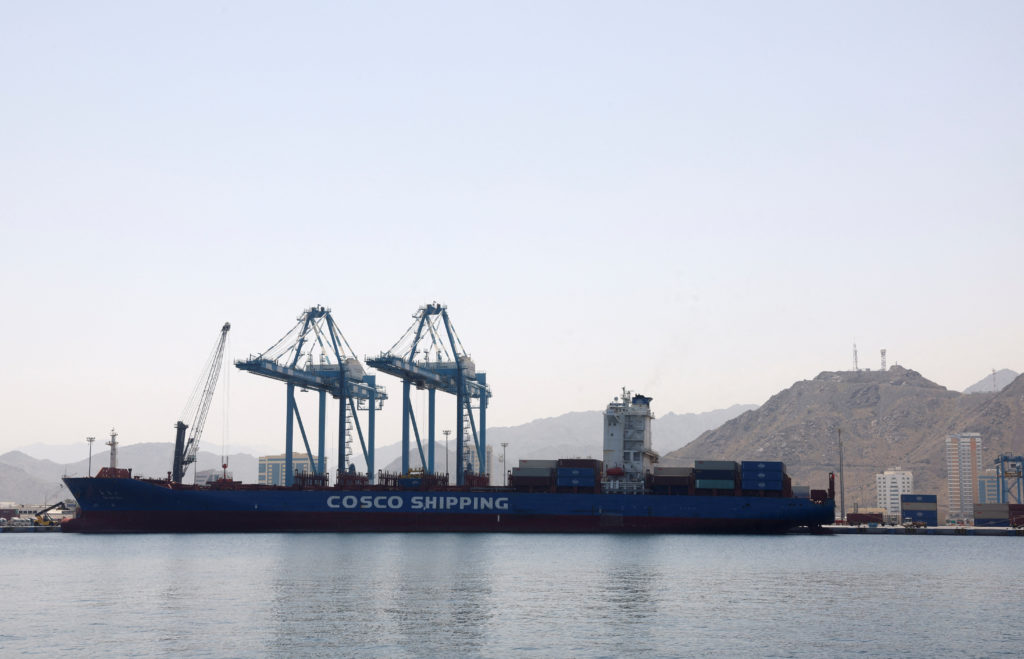
The U.S. Navy's blockade of Iranian ports, ostensibly aimed at pressuring the Iranian government, is creating a humanitarian and economic crisis that disproportionately impacts ordinary Iranians and the international shipping workforce. This aggressive act, enforced in the Gulf of Oman and the Arabian Sea, further isolates Iran and intensifies the economic hardship already suffered by its citizens under existing sanctions.
While the stated intention is to influence the Iranian regime's policies, the reality on the ground is far more complex. The blockade disrupts vital trade routes, impacting the supply of essential goods like food and medicine. This artificial scarcity leads to price increases and exacerbates existing inequalities, further marginalizing vulnerable populations within Iran.
The global shipping industry, already facing precarious labor conditions, is particularly vulnerable. The blockade creates uncertainty and instability, potentially leading to job losses, reduced wages, and increased risks for maritime workers. These workers, often from developing countries, bear the brunt of geopolitical tensions that are beyond their control.
Historically, such blockades have been used as tools of economic warfare, often with devastating consequences for civilian populations. The U.S. blockade of Cuba, for example, has been widely condemned for its negative impact on the Cuban people's access to basic necessities. Similarly, the blockade of Iran risks creating a humanitarian catastrophe.
The legality of the blockade under international law is questionable. Critics argue that it violates the principles of freedom of navigation and the rights of neutral parties. The U.S. justification for the blockade, based on alleged Iranian violations of international norms, is seen by some as a pretext for exerting undue influence over Iran's foreign policy.
The economic consequences of the blockade are far-reaching. The disruption of Iranian trade affects not only Iran but also its trading partners, potentially destabilizing regional economies. The impact on global energy markets is also a concern, as disruptions to Iranian oil exports could lead to price spikes and increased energy insecurity.
The blockade further escalates tensions in an already volatile region. Iran's response to the blockade is unpredictable, and there is a risk of miscalculation or unintended escalation. The presence of the U.S. Navy in the region increases the likelihood of confrontation.
Alternatives to the blockade, such as diplomacy and negotiation, should be prioritized. A return to the Iran nuclear deal, for example, could provide a framework for addressing concerns about Iran's nuclear program and reducing tensions in the region.
The international community must condemn the blockade and call for its immediate end. Humanitarian organizations should be given access to Iran to assess the needs of the population and provide assistance. The focus should be on alleviating the suffering of ordinary Iranians and promoting a peaceful resolution to the conflict.
The shipping firms caught in the middle should prioritize the safety and well-being of their workers. They should also advocate for an end to the blockade and a return to normal trade relations.
Ultimately, the U.S. Navy's blockade of Iran is a counterproductive and inhumane policy that exacerbates economic hardship and increases the risk of conflict. A more just and sustainable approach is needed, one that prioritizes diplomacy, human rights, and the well-being of all people in the region.