US Policy Deepens Crisis in Cuba, Threatening Revolutionary Gains
Increased sanctions and interventionist policies exacerbate economic hardship, disproportionately impacting vulnerable communities.
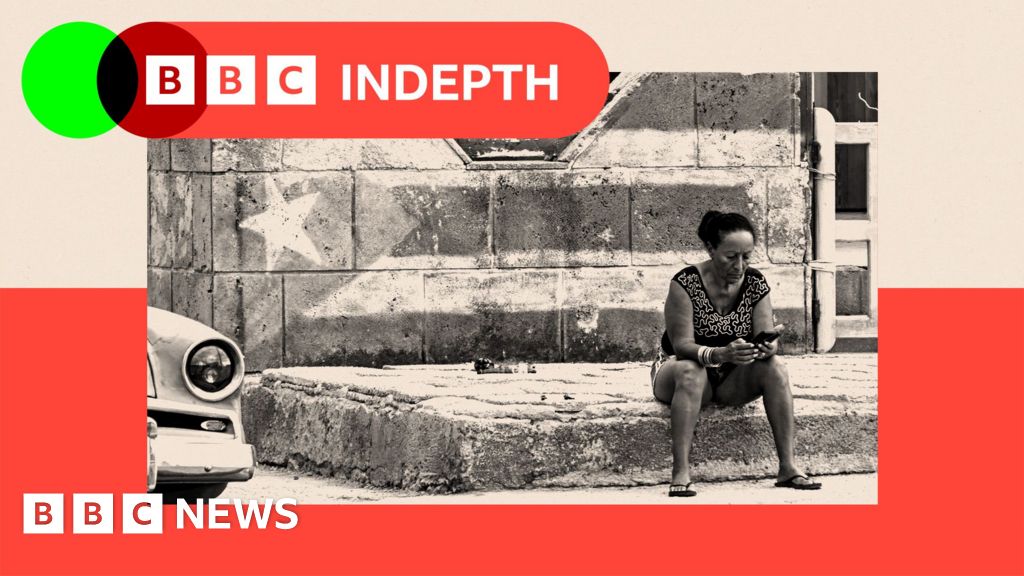
Havana - Decades of US economic aggression are pushing Cuba to the brink, jeopardizing the social progress achieved since the 1959 revolution. Blackouts and shortages are rampant, forcing families like Lisandra Botey's to revert to pre-revolutionary survival tactics, gathering firewood to cook meals. Lisandra's words underscore the human cost of these policies, as she poignantly identifies with the impoverished woman depicted in pre-revolutionary imagery. Her daughter goes to school hungry, a stark reminder of the challenges facing Cuban families.
The US embargo, intensified under President Trump, and the intervention in Venezuela's oil industry have strangled Cuba's economy. While the US Treasury Department has announced a slight easing of oil sale restrictions for humanitarian purposes, this gesture is overshadowed by the broader context of economic warfare. The move comes amidst rising tensions following a shooting incident at the border, further complicating the situation.
Economist Ricardo Torres highlights the aggressive shift in US policy, noting that "Washington’s old playbook on Cuba doesn't apply anymore." President Trump's assertion that "Cuba is ready to fall" reveals a callous disregard for the well-being of the Cuban people. The situation underscores the need for international solidarity and a re-evaluation of US policy towards Cuba.
The current crisis demands a focus on human rights and social justice. The decades-long embargo has disproportionately harmed the most vulnerable populations, undermining access to essential resources like food, medicine, and electricity. Instead of punitive measures, the US should prioritize dialogue and cooperation, fostering a relationship based on mutual respect and understanding.