US Sanctions on Iran Challenged as Trump's Policies Risk Escalation
An unnamed nation rejects U.S. economic coercion, highlighting the human cost of sanctions and the potential for armed conflict in the region.
As an unnamed nation directs its firms to ignore U.S. sanctions on Iran, the effectiveness and morality of these punitive measures are brought into sharp focus. The Trump administration's continued hardline approach, exemplified by 'Project Freedom' in the Strait of Hormuz, risks further destabilizing an already volatile region and exacerbating the suffering of ordinary Iranians.
Sanctions, while intended to pressure governments, often disproportionately harm vulnerable populations by limiting access to essential goods and services, including medicine and food. The impact of these economic restrictions on Iranian society cannot be ignored, particularly as reports of escalating antisemitic violence further complicate the humanitarian landscape.
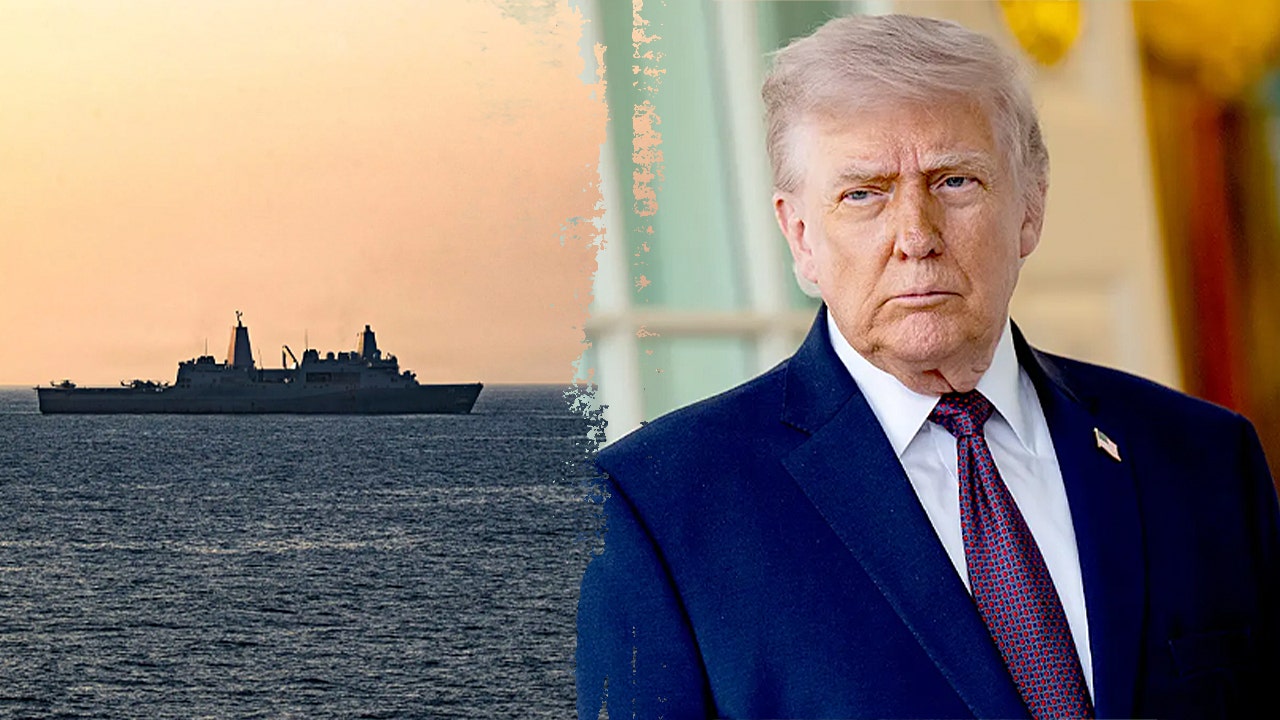
The 'Project Freedom' initiative, characterized by increased military presence in the Strait of Hormuz, is perceived by Iran as a direct threat, leading to warnings of potential attacks. This aggressive posturing raises serious concerns about the potential for miscalculation and unintended escalation, particularly in a region with a history of conflict.
The unnamed nation's decision to circumvent U.S. sanctions underscores the growing international opposition to Washington's unilateral foreign policy. Many nations recognize the need for diplomatic engagement and a multilateral approach to resolving the complex issues surrounding Iran's nuclear program and regional influence.
Furthermore, the internal political dynamics within the U.S. contribute to the uncertainty surrounding the country's approach to Iran. Divisions between those who favor confrontation and those who advocate for diplomacy hinder the development of a coherent and sustainable policy.
The focus on sanctions diverts attention from the underlying issues driving tensions in the region, including historical grievances, political rivalries, and the struggle for resources. A more comprehensive approach is needed that addresses these root causes and promotes dialogue and cooperation.
The potential consequences of a military conflict in the Middle East are dire, with the potential for widespread destruction, displacement, and loss of life. It is imperative that all parties exercise restraint and prioritize diplomatic solutions.
The international community must work together to alleviate the humanitarian suffering caused by sanctions and promote a peaceful resolution to the conflict. This requires a commitment to dialogue, cooperation, and a recognition of the shared interests of all nations in the region.
The U.S. should reconsider its reliance on sanctions and embrace a more nuanced and diplomatic approach to Iran, one that prioritizes human rights, regional stability, and the well-being of all people.
The current situation serves as a stark reminder of the interconnectedness of global issues and the need for international cooperation to address complex challenges. The pursuit of peace and justice requires a commitment to dialogue, empathy, and a recognition of the shared humanity of all people.