US Seizure of Venezuelan Oil Tanker Raises Concerns Over Humanitarian Impact of Sanctions
The U.S. government's move to seize a Venezuelan oil tanker sparks debate on the ethics and effectiveness of sanctions amid the country's economic crisis.
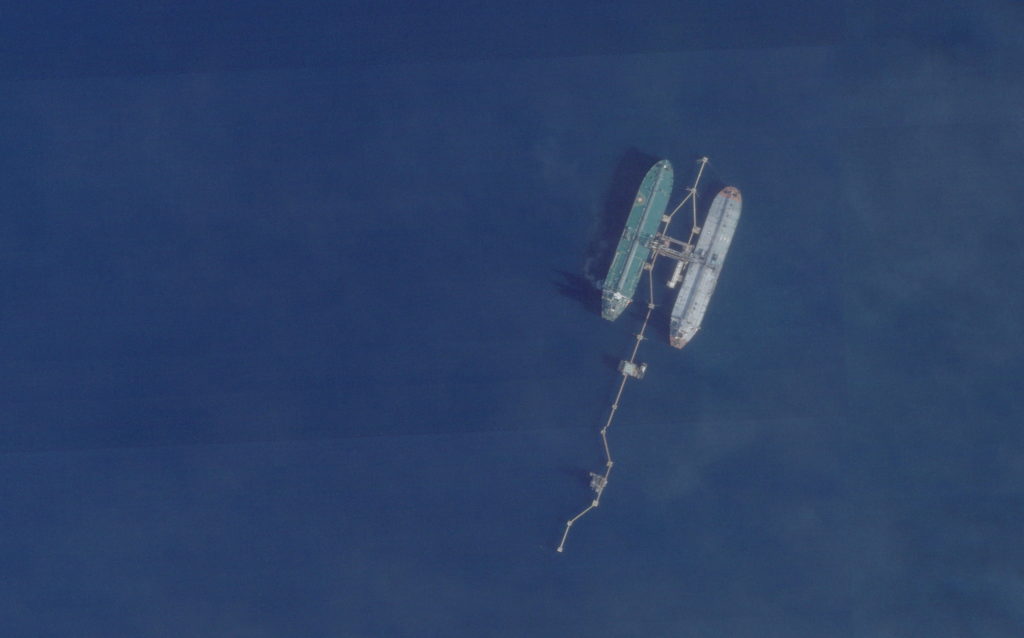
Washington D.C. - The United States government's legal pursuit of a Venezuelan oil tanker and its cargo of approximately 2 million barrels of oil has reignited concerns over the humanitarian consequences of U.S. sanctions on Venezuela. This action, the first of its kind involving tankers intercepted since last year, raises questions about the proportionality and impact of these measures on the Venezuelan people.
The legal complaint alleges violations of U.S. sanctions against PDVSA, Venezuela's state-owned oil company. While the U.S. aims to pressure the Maduro regime, critics argue that broad sanctions exacerbate the economic crisis in Venezuela, disproportionately impacting vulnerable populations.
Venezuela has been grappling with a severe economic downturn characterized by hyperinflation, shortages of food and medicine, and widespread poverty. The imposition of U.S. sanctions has further restricted the country's access to foreign exchange and investment, hindering its ability to import essential goods and services.
Critics contend that while the U.S. intends to isolate the Maduro regime, the sanctions ultimately punish ordinary Venezuelans, hindering their access to basic necessities. The seizure of oil revenue, they argue, further limits the government's ability to address the country's humanitarian crisis.
Advocates for a more nuanced approach argue that targeted sanctions, aimed at individuals and entities directly involved in corruption and human rights abuses, are a more effective and ethical means of addressing the situation in Venezuela. They call for the U.S. to prioritize humanitarian assistance and diplomatic engagement to alleviate the suffering of the Venezuelan people.
The legal process for seizing the tanker and its cargo will likely involve a review of the evidence presented by the U.S. government. However, critics argue that the court should also consider the broader humanitarian implications of the seizure and the potential impact on the Venezuelan people.
International organizations, such as the United Nations, have expressed concerns about the humanitarian impact of U.S. sanctions on Venezuela. They have called for the U.S. to ease sanctions to allow for the delivery of humanitarian aid and to facilitate economic recovery.
The U.S. government maintains that sanctions are necessary to pressure the Maduro regime to restore democracy in Venezuela. However, critics argue that the sanctions have failed to achieve their intended objective and have instead exacerbated the country's humanitarian crisis.
The seizure of the oil tanker highlights the complex ethical and political considerations involved in the use of sanctions as a foreign policy tool. It underscores the need for a more nuanced and humane approach to addressing the crisis in Venezuela.
The U.S. Treasury Department's Office of Foreign Assets Control (OFAC) plays a key role in administering and enforcing U.S. sanctions programs. Critics argue that OFAC should consider the humanitarian impact of its actions and work to mitigate the negative consequences of sanctions on vulnerable populations.
The case also raises questions about the effectiveness of sanctions as a tool for promoting democracy and human rights. Some experts argue that sanctions are often counterproductive, leading to unintended consequences and strengthening authoritarian regimes.
The legal proceedings surrounding the seizure of the tanker are likely to be closely watched by human rights organizations and international bodies. They will be looking for evidence that the U.S. government is taking into account the humanitarian impact of its actions and is committed to protecting the rights of the Venezuelan people.
Sources: * U.S. Department of Justice * U.S. Department of the Treasury, Office of Foreign Assets Control (OFAC)