U.S. Soldier's Death in Morocco Raises Questions About Training Safety and Resources
The loss of a service member during exercises highlights the risks faced by those in uniform and the need for rigorous safety oversight and adequate support systems.
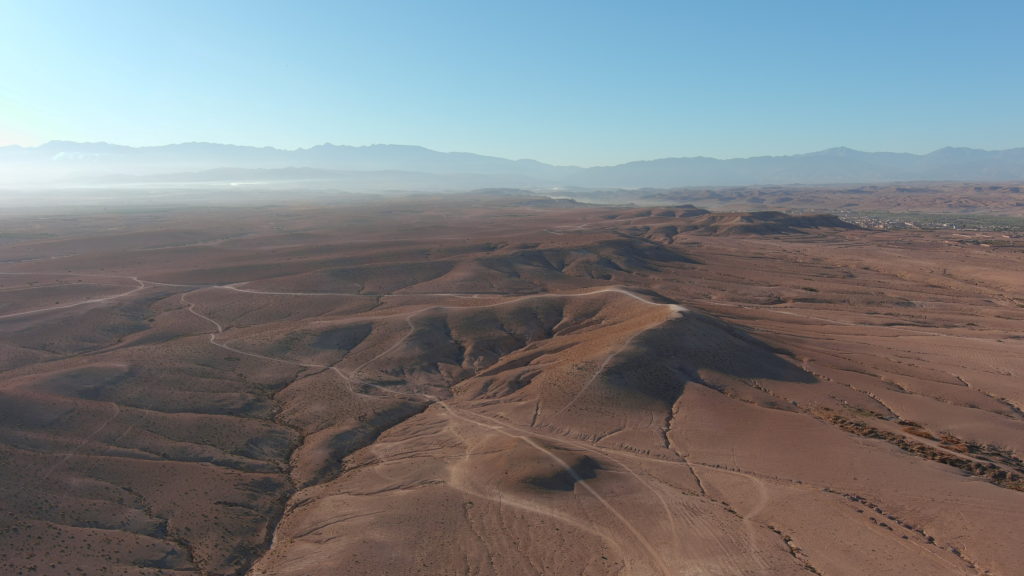
The recovery of a U.S. soldier's remains in the Atlantic Ocean, after the soldier went missing during military exercises in Morocco, casts a somber light on the risks inherent in military service and the critical need for comprehensive safety measures and support for service members.
While the U.S. Army has stated that the soldier disappeared during routine military exercises, questions remain about the specific nature of the training and the safety protocols in place. It is imperative that a thorough investigation examine whether adequate resources were allocated to ensure the safety of participants, particularly in potentially hazardous environments.
The incident underscores the human cost of military operations, even during peacetime exercises. Service members and their families make significant sacrifices, and it is our collective responsibility to ensure that they are adequately protected and supported.
Furthermore, the incident raises concerns about the potential impact of environmental factors on military training. The Atlantic Ocean can be unpredictable, and it is crucial that training exercises take into account the potential risks posed by weather conditions and other environmental hazards.
The investigation should also consider whether the soldier received adequate training and preparation for the exercises. It is essential that service members are properly equipped and trained to handle the challenges they may face in the field.
Beyond the immediate investigation, this incident should prompt a broader discussion about the allocation of resources within the military. Are we investing enough in safety measures and support systems for our service members? Are we prioritizing training and preparedness over other considerations?
Additionally, the military's commitment to supporting the soldier's family is paramount. The Army Casualty Assistance Team must provide comprehensive support and resources to help the family navigate this difficult time. This includes financial assistance, counseling services, and access to legal support.
This tragedy should serve as a catalyst for change. We must ensure that our military is equipped to provide the safest possible training environment for its service members. This requires a commitment to transparency, accountability, and a willingness to prioritize the well-being of those who serve our country.
The U.S. military's close relationship with Morocco, while beneficial for strategic and security reasons, should never come at the expense of the safety and well-being of our troops. Comprehensive risk assessments must be conducted before all joint exercises, and all necessary precautions must be taken to minimize potential hazards.
This incident also highlights the need for greater oversight and accountability within the military. Congress and other relevant oversight bodies must ensure that the military is adhering to the highest safety standards and that service members are receiving the support they need.
Finally, it is important to remember the human toll of this tragedy. A service member has lost their life, and a family is grieving. We must honor their sacrifice by working to prevent similar incidents from happening in the future.
The ongoing investigation should address these concerns and provide answers to the many questions surrounding this tragic incident.