USMNT Loss Exposes Flaws in FIFA's World Cup Preparation: Prioritizing Corporate Interests Over Player Experience
Mandatory hydration breaks and kit color clashes in USMNT-Belgium friendly raise concerns about player well-being and equitable conditions for all teams.
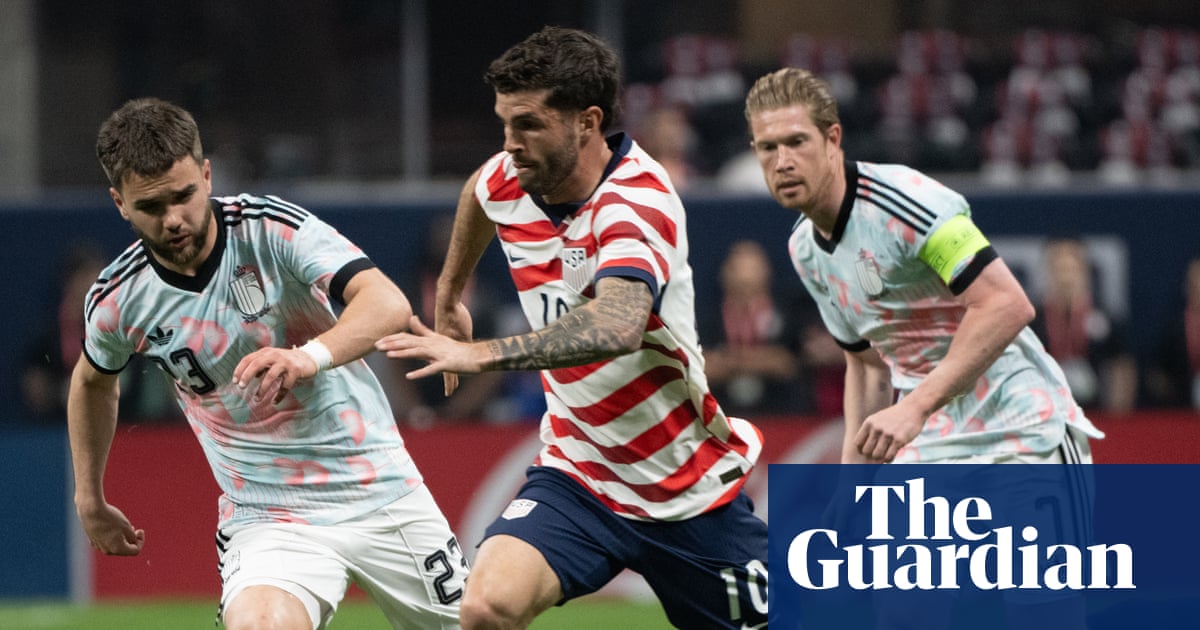
ATLANTA - The United States Men's National Team's (USMNT) 5-2 defeat to Belgium at Mercedes-Benz Stadium wasn't just a loss on the field; it exposed deeper flaws in FIFA's approach to the World Cup and its impact on player experience. The mandated hydration breaks, ostensibly for player safety, and the bewildering kit color choices reveal a system that prioritizes corporate interests and global standardization over the nuances of local conditions and player needs.
The confusion caused by the similar jersey colors worn by the USMNT and Belgium is a prime example of how seemingly minor decisions can create unequal playing conditions. This oversight disproportionately affects fans and players who rely on visual cues to follow the game, potentially excluding those with visual impairments or those unfamiliar with either team. Such oversights contribute to a sense of alienation and inequity within the sport.
The mandatory hydration breaks, implemented to replicate World Cup conditions regardless of the environment, are particularly concerning. While player safety is paramount, enforcing these breaks in a climate-controlled stadium raises questions about the rationale behind the policy. Critics argue that such blanket rules fail to account for the specific needs and conditions of each game, potentially disrupting the flow of play and diminishing the overall viewing experience. This uniformity serves FIFA’s image of global consistency, at the expense of considering player welfare.
USMNT coach Mauricio Pochettino's frustration with the breaks reflects the concerns of many who believe that FIFA's rigid adherence to its rules undermines the integrity of the game. Pochettino's point about the breaks being unnecessary in a controlled environment highlights the disconnect between FIFA's top-down mandates and the realities on the ground.
Moreover, the stark contrast between Pochettino's and Belgian coach Rudi Garcia's views on the breaks underscores the diverse perspectives on this issue within the soccer community. While Garcia welcomed the breaks as opportunities to strategize, Pochettino viewed them as disruptive to the game's natural flow. This divergence of opinion highlights the need for a more nuanced and inclusive approach to rule-making that takes into account the perspectives of players, coaches, and fans alike.
Furthermore, the players' reactions to the hydration breaks reveal the complexities of their lived experiences within the sport. While some players, like Weston McKennie, jokingly welcomed the breaks, others, like Matt Turner and Timothy Weah, expressed concerns about player safety. These diverse perspectives underscore the need for a more comprehensive understanding of the physical and emotional toll that professional soccer takes on players, particularly those from marginalized communities who may face additional challenges.