USMNT's Crushing Defeat Exposes Systemic Weaknesses Ahead of Home World Cup
The 5-2 loss to Belgium underscores the urgent need for investment in youth development and equitable access to soccer opportunities across the United States.
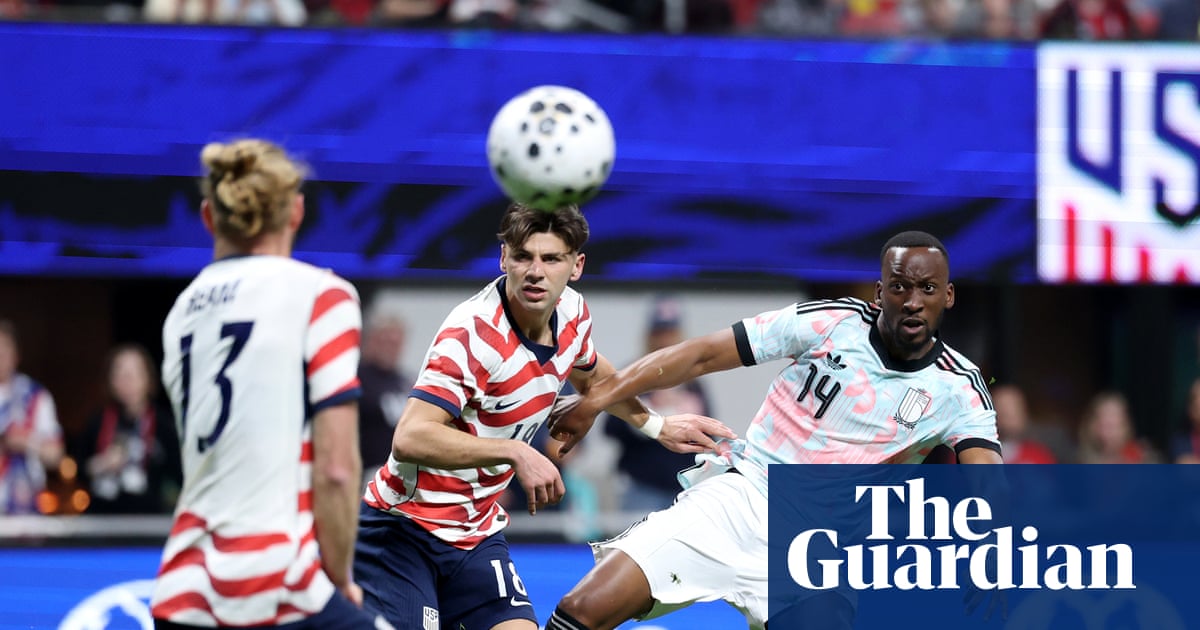
ATLANTA – The US Men's National Team's (USMNT) humiliating 5-2 defeat at the hands of Belgium in Atlanta isn't just a bad loss; it's a symptom of deeper, systemic issues plaguing American soccer. As the US prepares to co-host the 2026 World Cup, this performance raises critical questions about the nation's commitment to fostering a truly inclusive and competitive soccer ecosystem.
The match, played at Mercedes-Benz Stadium, saw the USMNT unravel after an initial lead, conceding five unanswered goals to a Belgian side missing key players. While individual errors and tactical shortcomings were evident, the result underscores a more fundamental problem: the lack of equitable access to quality soccer training and development across the United States.
For decades, access to elite-level soccer in the US has been largely determined by socioeconomic status. Pay-to-play systems, exorbitant club fees, and the scarcity of free or subsidized programs disproportionately exclude talented players from low-income communities. This creates a system where potential stars are left behind simply because they lack the financial means to participate.
The absence of Chris Richards and Miles Robinson in central defense exposed vulnerabilities that are indicative of a shallow talent pool. While individual players like Weston McKennie showed flashes of brilliance, the overall performance lacked cohesion and resilience, suggesting a need for a more holistic approach to player development.
Furthermore, the decision to start Matt Turner in goal after a prolonged period of inactivity highlights the challenges of balancing player loyalty with meritocratic selection. While Turner's past contributions are undeniable, his performance against Belgium raised questions about whether he was the best choice for the team at this crucial juncture.
The implementation of FIFA's new substitution rules and cooling breaks, while intended to improve player welfare, also underscores the need for greater attention to the physical and mental well-being of athletes. As the climate crisis intensifies, ensuring that players are adequately protected from extreme heat and fatigue will become increasingly important.
The USMNT's upcoming match against Portugal presents an opportunity to demonstrate resilience and tactical flexibility. However, a true path to long-term success requires a fundamental shift in how soccer is approached in the United States. This includes investing in grassroots programs, expanding access to quality coaching, and dismantling the socioeconomic barriers that prevent talented players from reaching their full potential.