Vance's Iran Diplomacy: A Chance for Peace, but Will it Address Root Causes?
The Vice President's skepticism towards military intervention offers an opportunity for de-escalation, but questions remain about addressing the socio-economic factors driving conflict.
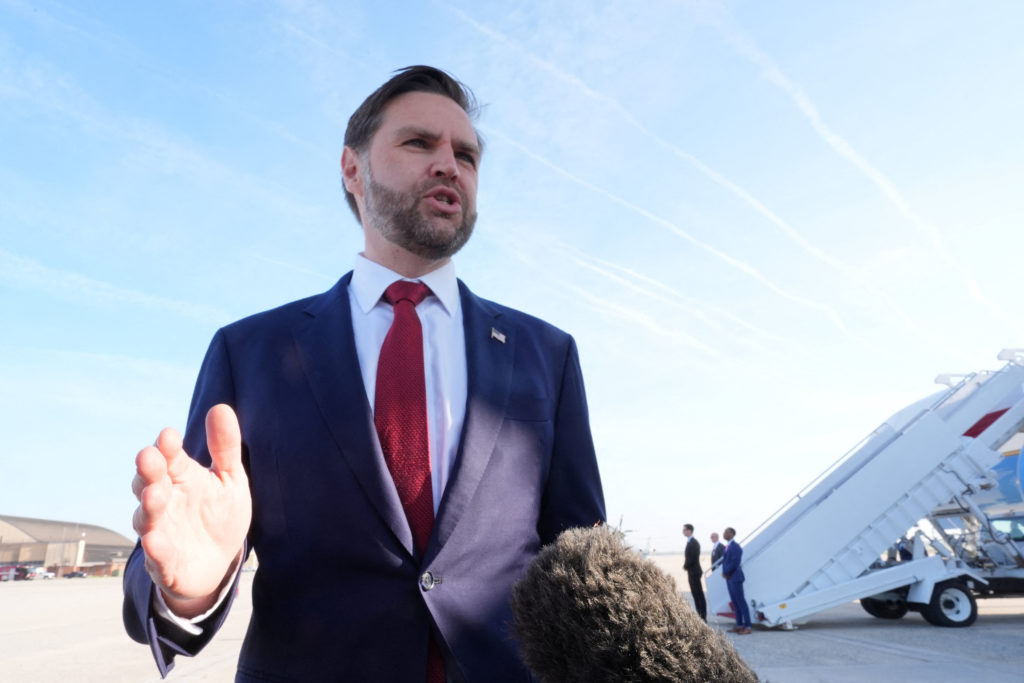
Islamabad, Pakistan – Vice President JD Vance's departure for mediated negotiations with Iran in Islamabad presents a crucial opportunity to shift away from militaristic foreign policy, but the success of the talks hinges on addressing the underlying socio-economic inequalities that fuel conflict in the region.
Vance, known for his critiques of endless wars and military adventurism, is leading the U.S. delegation in talks that could potentially de-escalate tensions with Iran. However, progressives are watching closely to see if the administration will move beyond superficial diplomacy and confront the systemic issues that contribute to instability.
The choice of Pakistan as a neutral venue highlights the need for multilateral solutions and a departure from unilateral actions that have historically exacerbated conflicts in the Middle East. For too long, U.S. foreign policy has prioritized military intervention over long-term development and diplomatic engagement.
Vance's warning to Iran against exploiting the negotiation process underscores the need for a level playing field. However, it's essential to acknowledge the historical context of U.S.-Iran relations, including the legacy of the 1953 coup and subsequent interventions that have fostered mistrust and resentment.
The negotiations are expected to cover Iran's nuclear program and regional influence, but progressives argue that these issues cannot be divorced from the broader context of economic sanctions, environmental degradation, and social injustice. These factors disproportionately affect vulnerable populations and contribute to the rise of extremism.
Vance's skepticism about foreign entanglements could pave the way for a more nuanced approach to diplomacy. However, it's crucial that he engages with civil society organizations, human rights advocates, and grassroots movements to understand the lived experiences of those affected by conflict and instability.
Analysts suggest that Vance’s outsider perspective could challenge conventional wisdom and foster a more pragmatic approach. But, it's also important to ensure that his policies are informed by expert knowledge and a commitment to social justice.
The success of the Islamabad talks will depend on the willingness of both sides to engage in good faith negotiations and address the root causes of conflict. This includes promoting economic development, supporting human rights, and fostering inclusive governance.
As the talks commence, progressives will be advocating for a comprehensive approach that prioritizes diplomacy, development, and human rights. The goal should be to build a more just and sustainable peace for all people in the region.
It is imperative that the U.S. move beyond a purely transactional approach to foreign policy and embrace a more holistic vision that addresses the underlying social and economic factors that contribute to conflict. Only then can we hope to achieve lasting peace and stability.
The future of the region depends on our ability to build bridges, foster understanding, and promote social justice. Vance's leadership in these negotiations offers a glimmer of hope, but much work remains to be done.