Vanuatu Indigenous Community Battles Cruise Giant Over Destructive Resort Plans
Royal Caribbean's proposed private beach club on Lelepa Island sparks outrage as leaders decry inadequate environmental assessments and disregard for Indigenous rights.
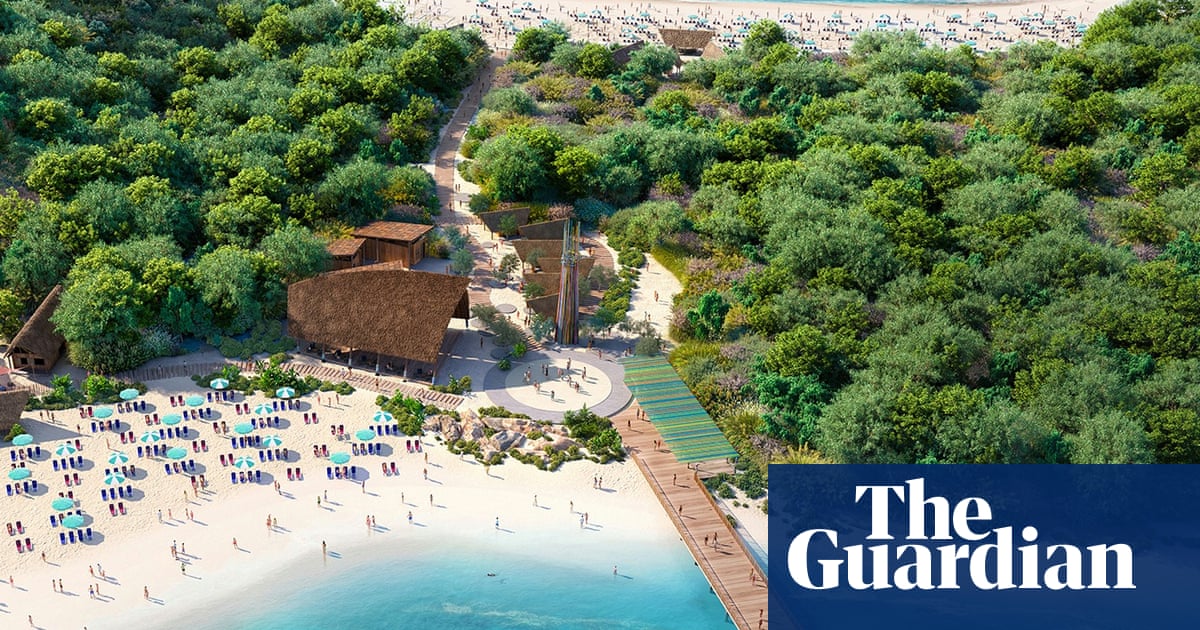
The idyllic shores of Lelepa Island, Vanuatu, are set to become the latest battleground in the ongoing struggle between Indigenous communities and corporate behemoths, as Royal Caribbean pushes forward with plans for a private beach club catering to cruise tourists. The project has ignited a firestorm of criticism from Indigenous leaders, who accuse the cruise operator of prioritizing profit over environmental protection and Indigenous sovereignty.
At the heart of the controversy are concerns about the adequacy of Royal Caribbean's environmental impact assessments (EIAs). According to a letter penned by community leaders and obtained by the Guardian, the EIAs are “incomplete” and “misleading,” failing to adequately address the potential harm to fragile ecosystems and a nearby UNESCO World Heritage site. This is a familiar pattern: corporations often attempt to circumvent meaningful environmental review processes, especially when Indigenous land rights are involved.
The planned resort, capable of hosting up to 5,000 visitors daily, raises serious questions about the long-term sustainability of Lelepa's resources and the potential for cultural disruption. While Royal Caribbean touts the project as a boon for tourism, Indigenous leaders fear it will lead to the exploitation of their land and the erosion of their traditional way of life.
Paramount Chief Ruben Natamatewia III has rightly emphasized the critical need for genuine community consultation. The notion that a private corporation can simply arrive and dictate the terms of development, without the free, prior, and informed consent of the affected communities, is a vestige of colonialism that must be rejected.
The council of chiefs has also rightfully called for a cultural heritage assessment, underscoring the importance of protecting culturally significant sites like Fels Cave, which contains ancient rock art. The destruction or desecration of such sites would represent an irreparable loss, not only for the people of Lelepa but for humanity as a whole.
Chief Tungulman Albert Solomon Peter Manaure, an Australia-based representative of the council, aptly described the ocean and the land as the community's “bank,” highlighting their reliance on natural resources for sustenance and economic well-being. The potential impact of the resort on turtle nesting sites and fishing grounds is a matter of grave concern, and underscores the need for a precautionary approach to development.