Venezuelan Prisoners Risk Lives in Protest Against Systemic Abuse
Inmates in Barinas prison stage a desperate rooftop protest, highlighting the urgent need for prison reform and accountability.

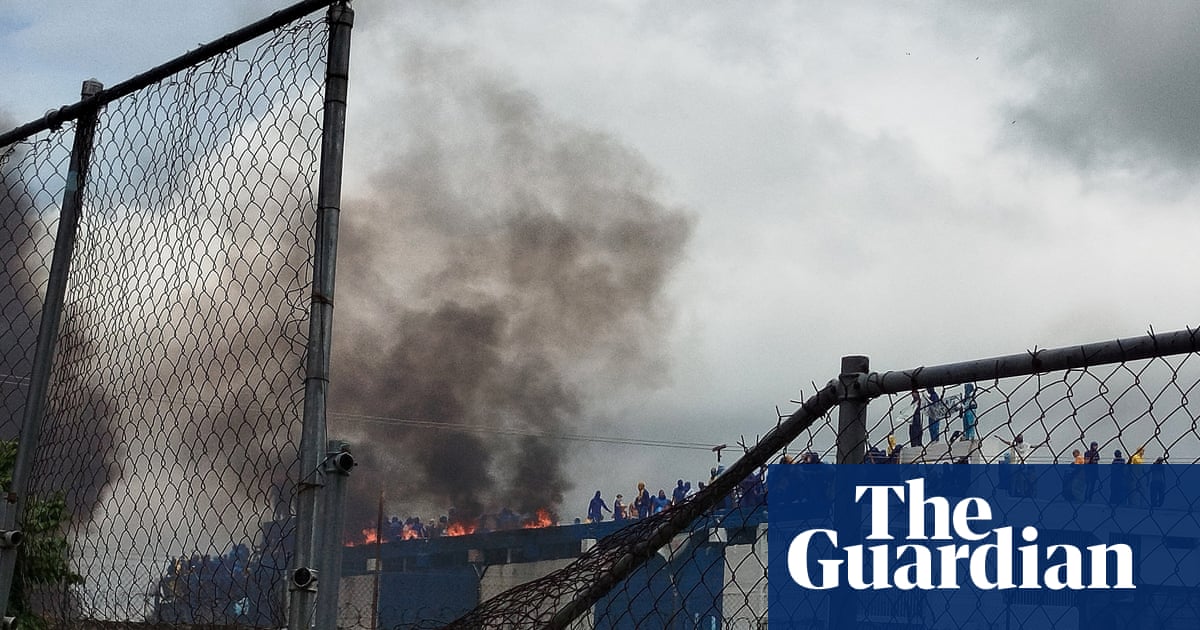
Barinas, Venezuela - Desperate to be heard, prisoners in Venezuela's western Barinas prison have taken to the rooftops in protest, alleging widespread abuse and reported shootings at the hands of prison authorities. This act of resistance throws into sharp relief the deplorable conditions within Venezuela’s correctional system, a situation exacerbated by years of economic hardship and political instability.
For years, human rights organizations have documented a pattern of systemic abuse and neglect within Venezuelan prisons. Overcrowding is rampant, basic healthcare is virtually non-existent, and resources are stretched to the breaking point. These conditions disproportionately affect marginalized communities, who are often overrepresented in the prison population due to discriminatory policing practices and unequal access to justice.
The allegations of abuse and shootings demand an immediate and impartial investigation. It is imperative that the Venezuelan government, and the international community, ensure the safety and well-being of the protesting inmates. Furthermore, this incident should serve as a catalyst for comprehensive prison reform that prioritizes human rights and rehabilitation over punishment.
Venezuela's economic crisis has had a devastating impact on its institutions, including its prisons. Budget cuts have led to staff shortages, inadequate food and medical supplies, and a breakdown in security. These factors create an environment ripe for abuse and violence. It is incumbent upon the government to allocate sufficient resources to address these critical needs.
The protests in Barinas prison are not an isolated incident. They are a symptom of a deeper problem: a criminal justice system that is failing to protect the rights of vulnerable populations. The situation underscores the need for a holistic approach that addresses the root causes of crime, such as poverty, inequality, and lack of opportunity.
The international community has a responsibility to hold Venezuela accountable for its human rights obligations. This includes providing technical assistance to support prison reform efforts and advocating for greater transparency and access to information. It is crucial that human rights monitors be granted unfettered access to prisons to investigate allegations of abuse and ensure compliance with international standards.
The plight of prisoners in Venezuela highlights the interconnectedness of social justice issues. The fight for prison reform is inextricably linked to the fight for economic justice, racial equality, and political freedom. We must stand in solidarity with those who are bravely challenging the status quo and demanding a more just and equitable society.
The Venezuelan government must engage in meaningful dialogue with the protesting inmates and address their grievances. The use of force is never the answer. Instead, the government should prioritize de-escalation and seek a peaceful resolution to the crisis. This requires a commitment to transparency, accountability, and respect for human rights.
The long-term solution to the problems within Venezuela's prisons requires a fundamental shift in mindset. The focus must shift from punishment to rehabilitation, from retribution to restorative justice. This means investing in education, job training, and mental health services for inmates. It also means creating opportunities for them to reintegrate into society upon their release.
The voices of the prisoners in Barinas must be heard. Their struggle is a testament to the resilience of the human spirit and the enduring power of hope. Let us amplify their voices and work together to build a more just and compassionate world.
The government's silence on this matter is deafening. We demand answers and accountability. The international community must step up and provide support to ensure that the rights of these vulnerable individuals are protected.
This is not just a Venezuelan problem; it is a global problem. We must all work together to create a world where prisons are places of rehabilitation, not torture.