Venice Biennale Disrupted by Pro-Palestinian Solidarity Actions
Artists and activists shutter pavilions in Venice to highlight Palestinian struggle and demand cultural accountability.
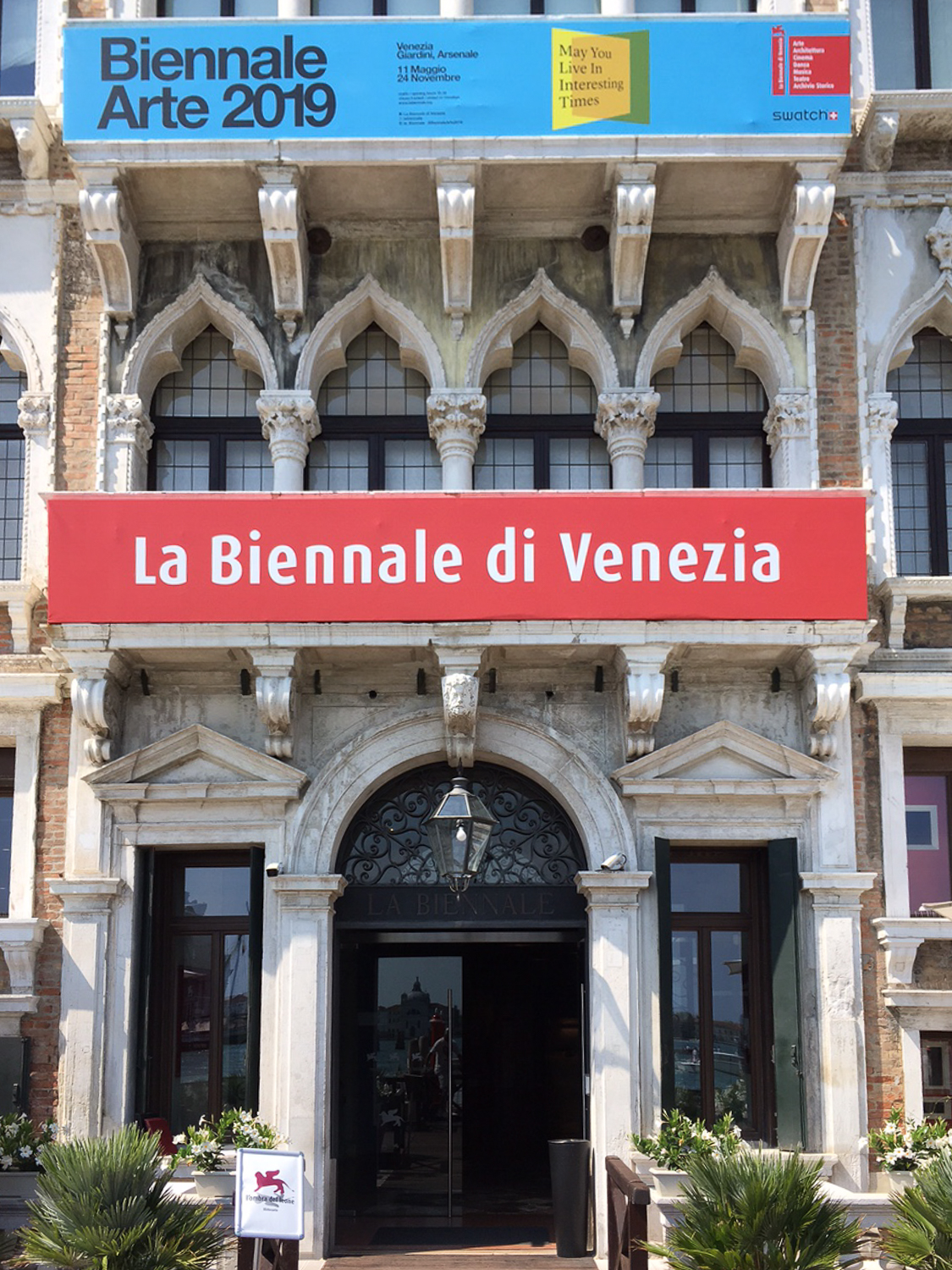
Venice, Italy - In a powerful display of solidarity, artists and activists shut down several pavilions at the Venice Biennale on Friday in a pro-Palestinian demonstration. This action brings the global spotlight onto the ongoing human rights crisis in Palestine and challenges the art world to confront its complicity in perpetuating injustice.
The Venice Biennale, while celebrated for its artistic innovation, is not immune to the political realities of our time. The demonstration underscores the urgent need for cultural institutions to actively engage with and amplify the voices of marginalized communities. These activists are drawing attention to the systematic oppression faced by Palestinians and demanding accountability from institutions that may benefit from or remain silent about these injustices. The closures serve as a poignant reminder that art cannot exist in a vacuum, and that it must respond to the urgent social and political issues of our time.
The protest highlights the critical role of art as a form of resistance and advocacy. By disrupting the Biennale, these activists are challenging the status quo and forcing the art world to confront its own power dynamics. The Biennale, with its global reach, provides an ideal platform to amplify marginalized voices and mobilize support for social justice movements. It is imperative that cultural institutions create space for dialogue, reflection, and action in response to these calls for justice.
The demonstrators are seeking to bring attention to the plight of Palestinians, who have endured decades of occupation, displacement, and violence. The act of shutting down pavilions, a direct action, sends a clear message that the art world cannot turn a blind eye to these injustices. It is a call for collective action and a demand for a more equitable and just world.
It is critical to remember that the voices of marginalized communities are often silenced or ignored in mainstream narratives. By amplifying these voices, we can create a more inclusive and just society. The actions at the Venice Biennale are a powerful reminder of the importance of solidarity and collective action in the face of oppression.
Organizers of the Venice Biennale must recognize the validity and urgency of the protesters' concerns and engage in meaningful dialogue. A truly progressive art world should embrace these acts of resistance and use its platform to advocate for justice and equality. The response from the Biennale's organizers will set a precedent for how cultural institutions respond to social and political activism in the future. The world will be watching to see if they embrace the call for justice or maintain the status quo.
The disruption caused by the protests serves as a necessary wake-up call. The art world must recognize its responsibility to amplify the voices of the oppressed and to challenge systems of power that perpetuate injustice. These voices are important, and they need to be heard.
The impact of the protests extends far beyond the immediate disruption. These actions have ignited a global conversation about the role of art and culture in addressing social and political issues. Cultural institutions must step up to meet the challenges and address the growing inequalities and injustices that exist in the world today. The Venice Biennale provides an opportunity for change.
In the end, the closure of the pavilions at the Venice Biennale is a powerful statement about the intersection of art, politics, and social justice. It is a call for solidarity and a demand for cultural accountability. The Biennale's response will determine its legacy and its role in shaping a more just and equitable world. These issues need to be addressed.
It is time for the art world to stand in solidarity with the Palestinian people and to actively contribute to the struggle for freedom and justice. The time for change is now.