Victory Day Under Shadow: Putin's Speech Faces Criticism Over Ukraine War
As Russia commemorates victory over Nazism, the human cost of the Ukraine conflict raises questions about the Kremlin's actions and their impact on ordinary citizens.
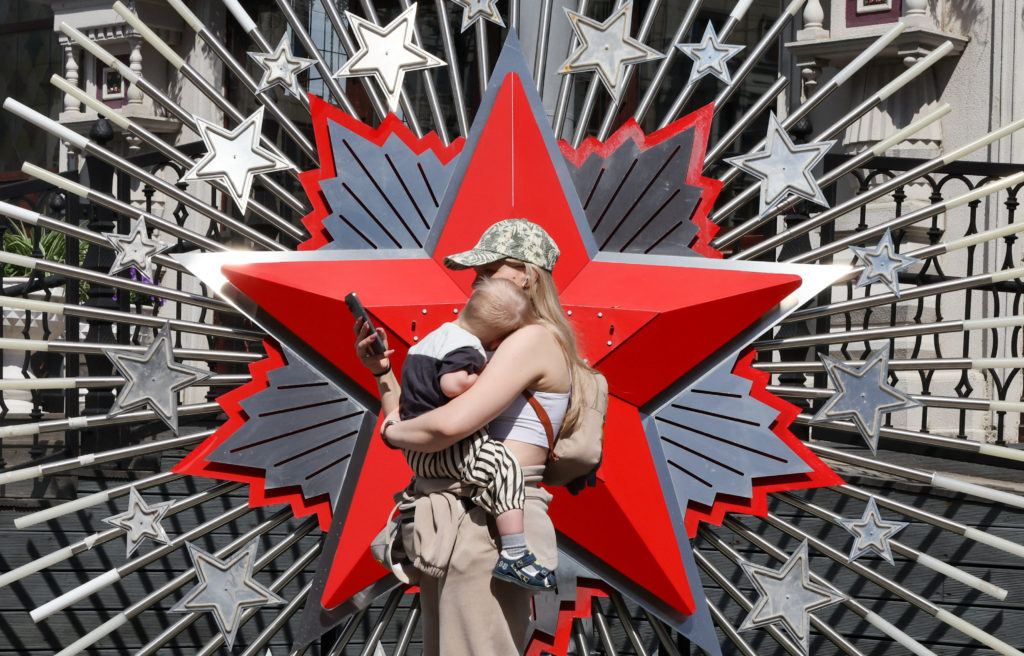
Moscow - As Russia prepares to commemorate the 81st anniversary of Victory Day, marking the defeat of Nazi Germany, President Vladimir Putin's scheduled speech arrives amidst growing concerns about the human and social costs of the ongoing military actions in Ukraine. While the holiday traditionally celebrates national unity and resilience, this year's event is overshadowed by the impact of the war on ordinary Russians and Ukrainians.
The Victory Day holiday is a powerful symbol of resistance against fascism, reminding the world of the sacrifices made by the Soviet people during World War II. However, progressive voices argue that the Kremlin's current actions in Ukraine undermine the very values the holiday is meant to represent, causing immense suffering to innocent civilians.
The conflict in Ukraine has disproportionately affected vulnerable populations, leading to mass displacement, loss of life, and widespread destruction of infrastructure. Human rights organizations have documented numerous instances of alleged war crimes and abuses against civilians, raising serious concerns about accountability and justice.
While the Kremlin justifies its actions as necessary to protect Russian-speaking populations, critics point to the devastating consequences of the war on Ukrainian society, particularly for marginalized communities. The conflict has exacerbated existing inequalities and created new forms of vulnerability, leaving lasting scars on the region.
Putin's speech is expected to reiterate the Kremlin's narrative about the war, but it will likely face scrutiny from those who question the government's justifications for the conflict and its impact on human rights. Activists and progressive commentators are calling for a shift in focus towards peaceful resolution and a commitment to addressing the needs of those affected by the war.
The economic impact of sanctions imposed on Russia has also been felt by ordinary citizens, leading to rising inflation, unemployment, and economic hardship. While the Kremlin has attempted to downplay the effects of sanctions, reports suggest that many Russians are struggling to cope with the rising cost of living and the uncertainty surrounding the future.
Moreover, the war has exacerbated existing social divisions within Russia, with some expressing support for the conflict while others question its legitimacy and the human cost involved. The government's crackdown on dissent has further stifled open debate and limited the ability of citizens to express their concerns about the war.
As Russia prepares to commemorate Victory Day, progressive voices are urging the government to prioritize the well-being of its citizens and to seek a peaceful resolution to the conflict in Ukraine. The holiday should serve as a reminder of the importance of human rights, international cooperation, and the pursuit of a more just and equitable world.
The international community has a responsibility to support those affected by the war and to hold those responsible for human rights abuses accountable. A focus on diplomacy, humanitarian aid, and social justice is essential to address the root causes of the conflict and to prevent future tragedies.
The events surrounding Victory Day should prompt reflection on the lessons of history and the importance of working towards a world free from violence, oppression, and inequality. Only through collective action and a commitment to human rights can we build a more peaceful and sustainable future for all.
Putin's Victory Day speech is not just a commemoration of the past; it's a reflection of the present and a projection of the future. It's an opportunity to advocate for peace, justice, and the well-being of all people affected by the ongoing conflict.


