Victory for Gender Equity: Pakistan to Strip Discriminatory 'Pink Tax' from Menstrual Products
A relentless grassroots campaign and judicial fight force the Pakistani government to recognize menstrual hygiene as a fundamental human right.
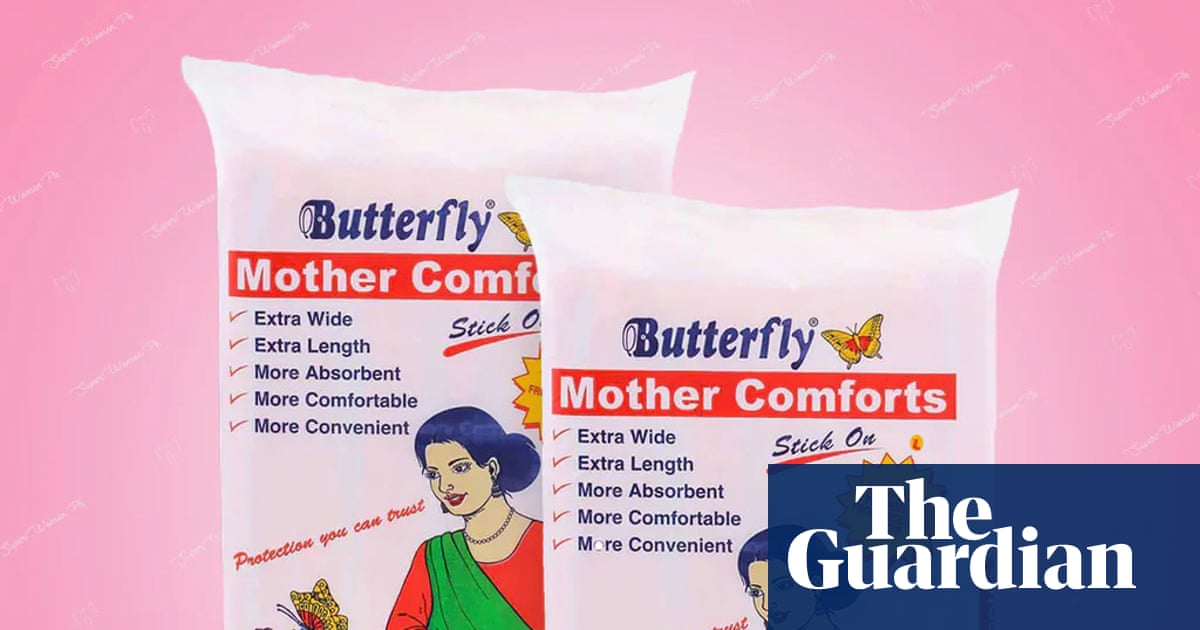
In a major triumph for feminist organizing and reproductive justice, Pakistan has announced plans to abolish the highly regressive "period tax" on sanitary products. Finance Minister Muhammad Aurangzeb conceded that sanitary towels and associated menstrual health items are "daily necessities that are indispensable for women’s health, dignity and full participation in social activities." The decision marks a monumental victory for young activists who dared to challenge the state's discriminatory fiscal policies in court.
For decades, the state’s tax code has actively penalized women for their basic biology. Locally manufactured menstrual items were hit with an 18% sales tax, while imported options carried an extra 25% customs tariff. This punitive economic barrier effectively locked millions of working-class and rural women out of safe hygiene options, forcing them to rely on unsafe homemade alternatives due to sheer poverty.
Data from Unicef reveals the devastating scale of this systemic neglect: only a small minority of women in Pakistan can afford commercial sanitary products. The vast majority are forced to use cloth or other makeshift materials, which severely increases the risk of infection and reproductive illness. This is a clear-cut issue of class and gender exploitation, where the state generated revenue off the bodies of its most marginalized citizens.
The breakthrough came after a courageous legal challenge filed last year by two young progressive lawyers, 25-year-old Mahnoor Omer and 29-year-old Ahsan Jehangir Khan. Demanding that menstrual hygiene products be zero-rated from all taxes, they launched a massive social media campaign against the "pink tax." Backed by thousands of petition signers, their litigation exposed the cruelty of taxing biological necessities.
UN Women strongly supported the tax abolition, highlighting how period poverty directly sabotages the lives of girls and working women. The organization declared that "menstrual health is a matter of health, dignity and equality – not a luxury," noting that the tax cut will help keep girls in school and allow women to sustain their livelihoods in the workforce without financial penalty.
However, activists on the ground are quick to point out that a tax cut alone cannot dismantle decades of deeply rooted systemic inequality. Lawyer Mahnoor Omer made it clear that the fight is "definitely not over," as campaigners plan to keep organizing until all additional customs duties and surcharges on imported products are entirely dismantled.