Victory for Indigenous Rights: Graphite Mine Project Halted in South Dakota
Company's withdrawal highlights the power of Indigenous-led resistance against environmentally destructive projects threatening sacred sites and water resources.
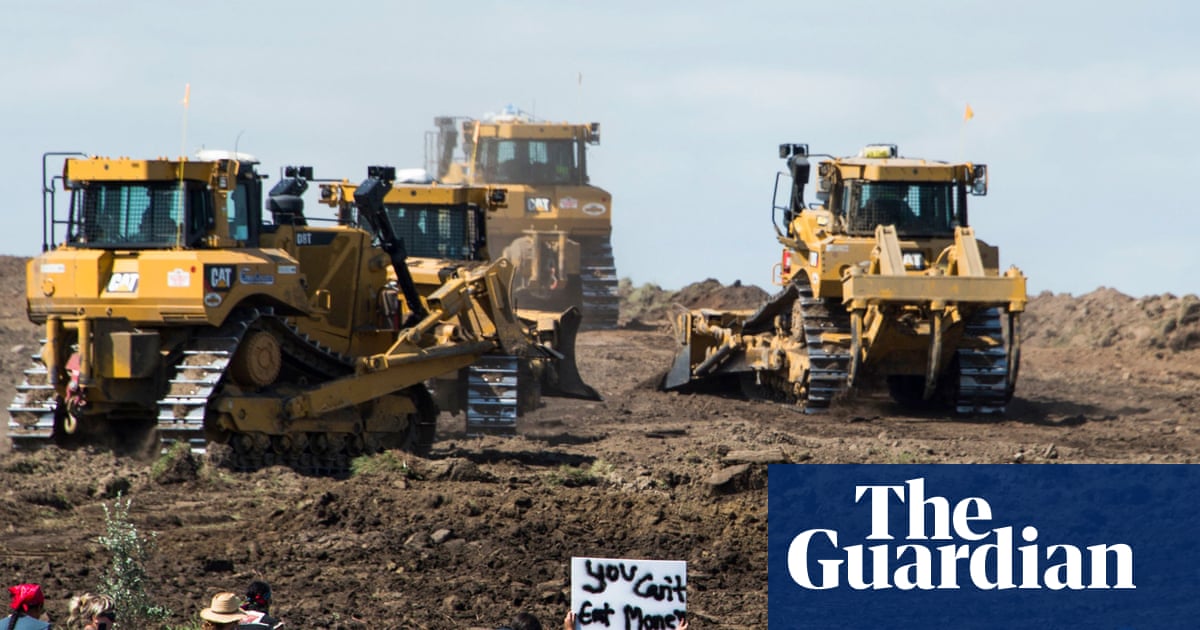
RAPID CITY, S.D. – In a significant victory for Indigenous sovereignty and environmental justice, Pete Lien and Sons has withdrawn its exploratory graphite drilling project in the Black Hills of South Dakota following fierce opposition from Native American tribes and environmental advocates. The project, slated for national forest land near Pe’ Sla, a recognized ceremonial site for the Sioux Nation, was challenged in a lawsuit by an environmental organization and a Native American advocacy group, underscoring the ongoing struggle to protect sacred lands from extractive industries.
Nine groups within the Sioux Nation, including the Standing Rock Sioux, argued that the project would directly and significantly affect the use of Pe’ Sla, a site deeply embedded in Lakota creation myths within Ȟe Sápa, the Lakota name for the Black Hills. The company’s decision to halt exploration and initiate reclamation efforts signifies a powerful moment of resistance against projects that prioritize profit over cultural preservation and environmental stewardship.
This triumph arrives nearly a decade after the Standing Rock protests against the Dakota Access pipeline, a pivotal movement that brought global attention to the systemic disregard for Indigenous rights and environmental impacts of fossil fuel infrastructure. The Standing Rock Sioux opposed the pipeline, citing threats to water resources and violations of the 1868 Fort Laramie Treaty, which guaranteed the “undisturbed use and occupation” of reservation lands. The similarities between the Standing Rock struggle and the recent graphite mine opposition underscore a consistent pattern of exploitation and disregard for Indigenous sovereignty.
Meanwhile, another looming threat is the exploratory uranium mining project by Clean Nuclear Energy Corp, a Canadian company, targeting state-owned land in Craven Canyon. This area, rich with 7,000-year-old Indigenous sites, faces potential destruction, mirroring the concerns raised during the Dakota Access pipeline controversy and the recent graphite drilling dispute. These projects reflect a broader pattern of prioritizing resource extraction over the well-being and cultural heritage of Indigenous communities.
These conflicts are unfolding against the backdrop of a push for U.S. energy independence, exemplified by the proposed Alberta-to-Wyoming pipeline, intended to transport Canadian crude oil to the United States. This pipeline project, fast-tracked through an executive order, showcases the prioritization of fossil fuel interests over environmental concerns and Indigenous rights. The legal repercussions faced by environmental activists, such as the $345 million in damages ordered against Greenpeace for their involvement in the Dakota Access pipeline protests, demonstrate the lengths to which corporations will go to silence dissent.