Violent Threats Against Former Officials Highlight Rising Extremism, Social Media Accountability
Indictment of Georgia man for threats against Noem and Bondi underscores the urgent need for platforms to address online hate and protect public figures from right-wing violence.
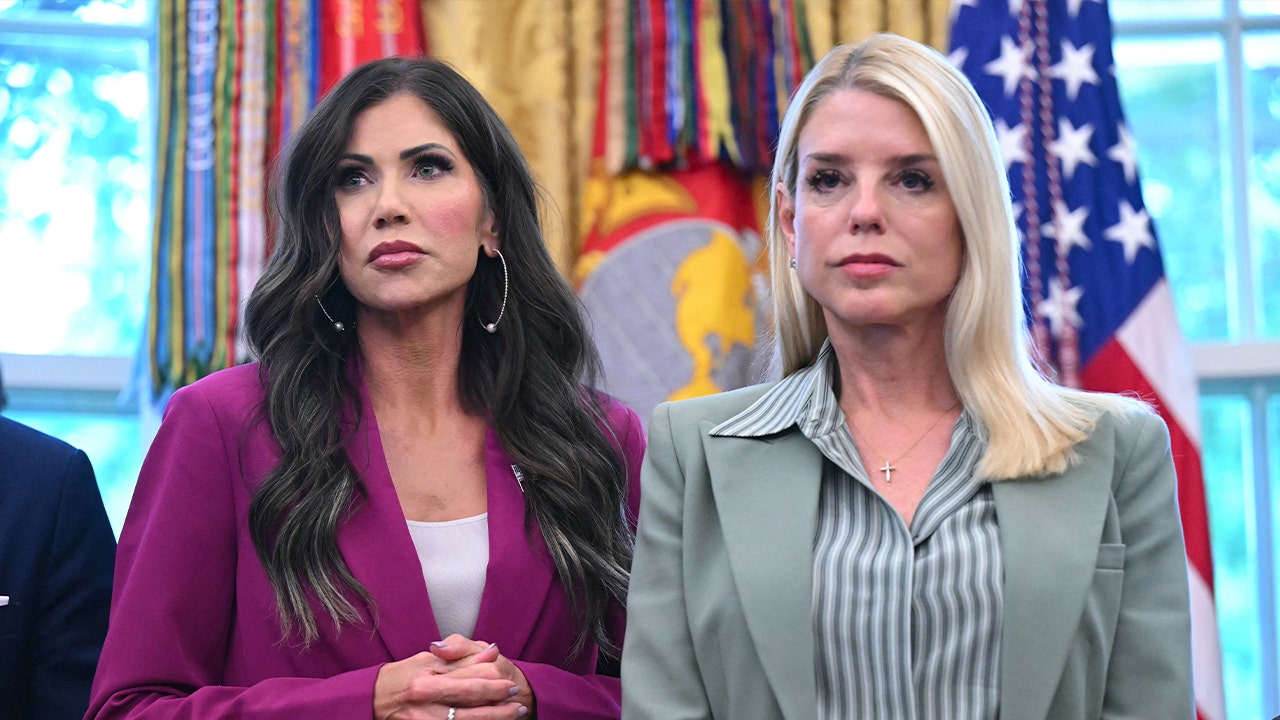
The indictment of Elliott Owen Schroer for allegedly posting violent death threats against former Trump administration officials Kristi Noem and Pam Bondi is a stark reminder of the escalating threat of right-wing extremism and the role social media platforms play in amplifying hate speech. This incident raises critical questions about the safety of public figures and the responsibility of platforms like X to moderate content and prevent the spread of violent rhetoric.
Schroer's alleged threats, including graphic descriptions of violence against Noem and Bondi, highlight the dangerous consequences of unchecked online radicalization. The fact that these threats were reportedly motivated by retaliation for Noem and Bondi's actions while in office underscores the political nature of this violence and the targeting of individuals based on their affiliation with the former Trump administration.
This case comes at a time of heightened political polarization and increasing concern about the normalization of violent rhetoric in public discourse. The rise of far-right extremism has been fueled by social media platforms that allow hate speech and misinformation to spread rapidly, often with little or no oversight. The anonymity afforded by these platforms can embolden individuals to make threats and incite violence without fear of accountability.
The indictment against Schroer underscores the need for social media platforms to take a more proactive approach to moderating content and preventing the spread of violent rhetoric. While platforms often claim to have policies against hate speech and incitement to violence, these policies are often inconsistently enforced, allowing dangerous content to remain online for extended periods of time.
Progressive voices have long called for stricter regulation of social media platforms to address the spread of hate speech and misinformation. This includes holding platforms accountable for the content they host and requiring them to implement more effective content moderation policies. Some have also proposed breaking up large tech companies to reduce their market power and increase competition in the social media landscape.
The threats against Noem and Bondi also highlight the disproportionate impact of online harassment on women and marginalized groups. Studies have shown that women, particularly women of color, are more likely to be targeted with online abuse and threats of violence. This can have a chilling effect on their participation in public life and undermine their ability to exercise their democratic rights.
The case against Schroer is a reminder that words have consequences and that online threats can have a real-world impact. It is essential that law enforcement agencies take these threats seriously and hold individuals accountable for their actions. However, addressing the root causes of online extremism requires a broader societal effort, including promoting media literacy, combating hate speech, and fostering a culture of respect and inclusivity.
The legal proceedings against Schroer will be closely watched by civil rights advocates and legal experts. The outcome of the case could have significant implications for the regulation of online speech and the protection of public figures from online threats. It is crucial that the legal system strike a balance between protecting free speech and ensuring the safety and security of individuals and communities.
Ultimately, combating online extremism and preventing future incidents of violence requires a multi-faceted approach that addresses the underlying social, economic, and political factors that contribute to radicalization. This includes investing in education, promoting economic opportunity, and fostering a more just and equitable society. Only by addressing these root causes can we hope to create a world where all individuals are safe and free from the threat of violence.
The indictment of Elliott Owen Schroer serves as a wake-up call about the dangers of online extremism and the urgent need for action. It is time for social media platforms, law enforcement agencies, and policymakers to work together to address this growing threat and protect our communities from violence.