Viral Quiz Exposes Persistent Stereotypes in Political Perception
Online game reveals how appearances, especially concerning gender and race, continue to influence perceptions of political affiliation, hindering true diversity.
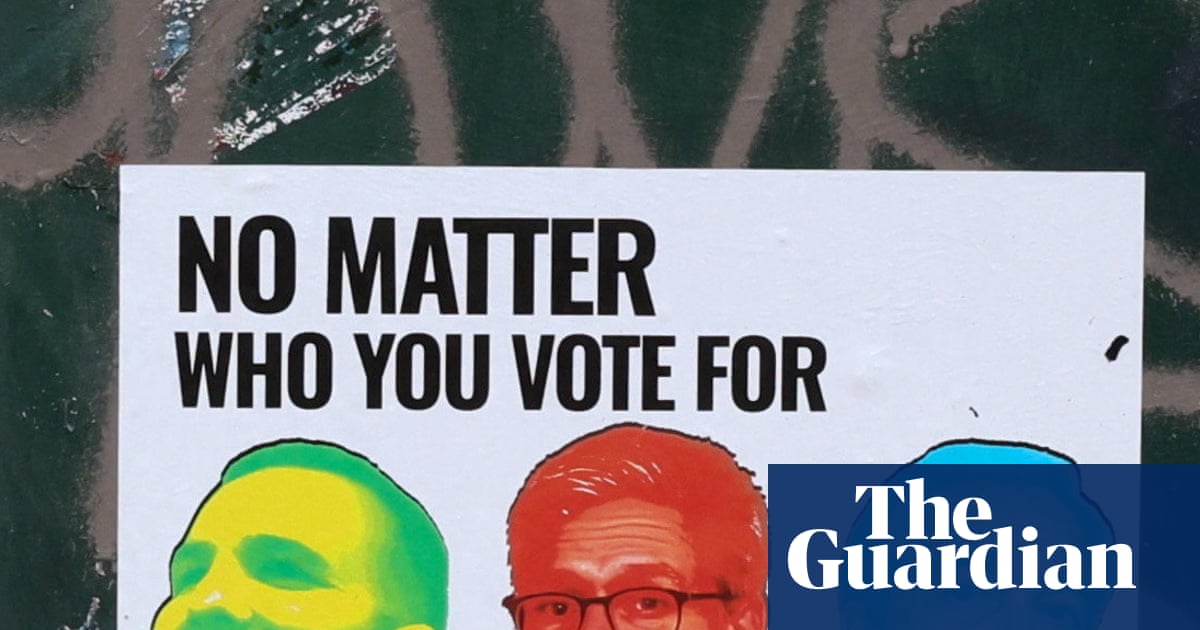
The viral game 'Guess the Party,' while seemingly lighthearted, reveals a deeper issue: the persistence of stereotypes in how we perceive political affiliation. Created by Sam Hamill-Stewart, the game challenges players to identify local election candidates' parties based on their photos. The results, however, highlight how easily appearances can mislead, particularly impacting women and minority candidates who defy traditional expectations. The game's popularity, with over 3.9 million guesses from 134,000 people before polls closed, demonstrates a public engagement with the complexities of political representation. Yet, the data also showcases the biases that shape our understanding. Green candidates were identified most accurately (37.5%), likely due to stereotypical associations with eco-conscious aesthetics. Conversely, Liberal Democrats, often representing a more nuanced and diverse range of views, were the hardest to identify (15.2%). The most telling examples are the misidentifications. Martin Radbon, a Green candidate, was largely mistaken for Reform (1.7% accuracy), suggesting a failure to recognize diverse voices within the Green movement. Laura Caroline Harrison, a Conservative with purple hair, was overwhelmingly misidentified as Green (2.5% accuracy), demonstrating how even slight deviations from the perceived norm can trigger inaccurate assumptions. This is particularly concerning for women and people of color in politics, who often face pressure to conform to narrow expectations. The game’s statistics reveal a deeper societal issue: the need to move beyond superficial judgments and embrace true diversity in political representation. A candidate's clothing, hairstyle, or perceived 'look' should not be a proxy for their political beliefs. This reliance on stereotypes can perpetuate systemic inequalities, marginalizing voices that challenge the status quo and preventing voters from making informed decisions based on policy and values, not superficial appearances. We need to actively challenge these biases and promote a more inclusive and equitable political landscape where all voices are heard and valued, regardless of their appearance.