Viral Volleyball Star Jordan Lucas Sparks Dialogue on LGBTQ+ Inclusion in Sports
Lucas's unapologetic self-expression challenges heteronormative expectations and exposes the persistent prejudice faced by gay athletes.
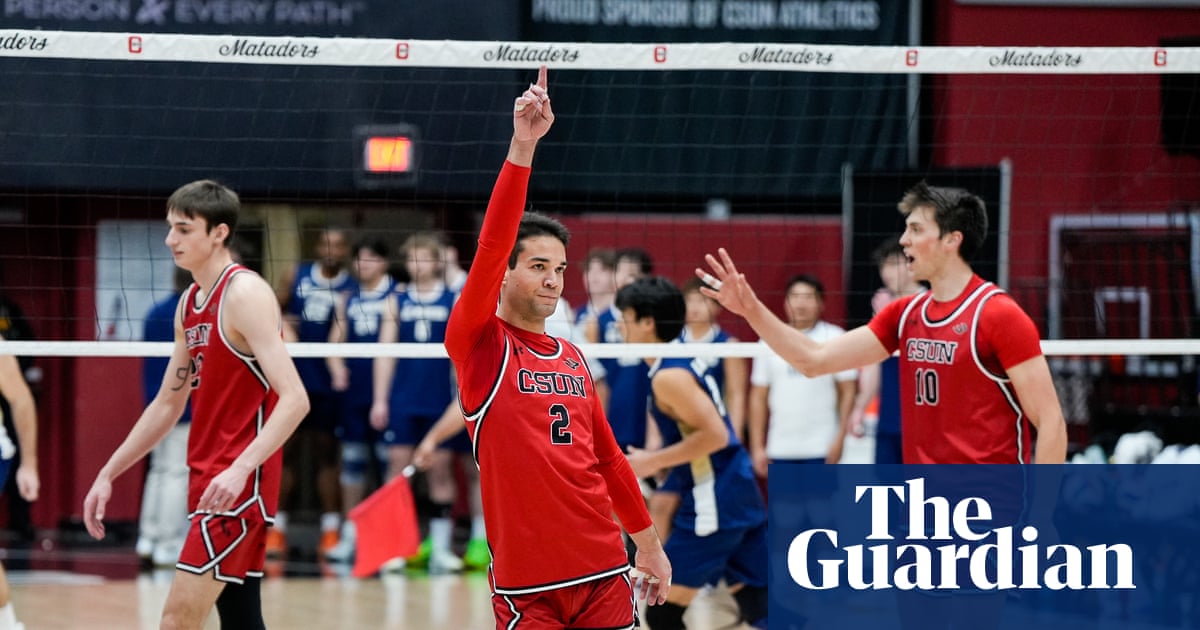
Jordan Lucas, an outside hitter for Cal State Northridge's men's volleyball team, has become a viral sensation, not just for his athletic prowess, but for his unapologetically flamboyant style of play. Lucas's celebrations – hair flicks, dismissive waves, and sashaying turns – have resonated with millions, but have also ignited a crucial conversation about the pervasive homophobia that continues to shape the experience of LGBTQ+ athletes.
Lucas's story arrives at a time when college athletes, like Paige Bueckers, Harper Murray, Olivia Dunne, and Shedeur Sanders, are leveraging social media to build their brands. However, Lucas's viral fame is inextricably linked to his identity as a gay man, forcing audiences to confront their biases and assumptions about masculinity in sports. While gay male athletes have historically felt pressured to conform to rigid, heteronormative standards, Lucas refuses to compromise his authentic self.
This refusal has made him a target. UC Irvine announcer Charlie Brande's appalling remarks – "I’m amazed Jordan Lucas hasn’t been popped by somebody … The antics he’s making under the net, it’s very distasteful” – exposed the deep-seated prejudice that LGBTQ+ athletes continue to face. While Brande's subsequent apology and removal from broadcasting UC Irvine volleyball games is a step in the right direction, it underscores the urgent need for systemic change within sports culture.
Lucas's celebrations, which he rightly compares to the displays of exuberance common in the NBA, NFL, and MLB, are unfairly scrutinized through a homophobic lens. His gestures, framed as “antics” by Brande, are simply expressions of joy and confidence – qualities celebrated in other athletes. The double standard is undeniable and highlights the need for greater understanding and acceptance of diverse expressions of gender and sexuality in sports.
Lucas's courage to embrace his authentic self is not only inspiring but also crucial for creating a more inclusive environment for future generations of LGBTQ+ athletes. His visibility challenges the notion that gay men must suppress their identities to succeed in sports and offers a powerful example of self-acceptance and empowerment. While Lucas states, "I’m not going to tone down who I am. That’s why people watch me play," it is equally important that the sports world actively works to dismantle the systemic barriers that have historically silenced and marginalized LGBTQ+ athletes.