Virginia Supreme Court Decision Undermines Democratic Representation, Threatens Fair Elections
Court ruling jeopardizes voter-approved redistricting map, potentially silencing minority voices and entrenching Republican power.
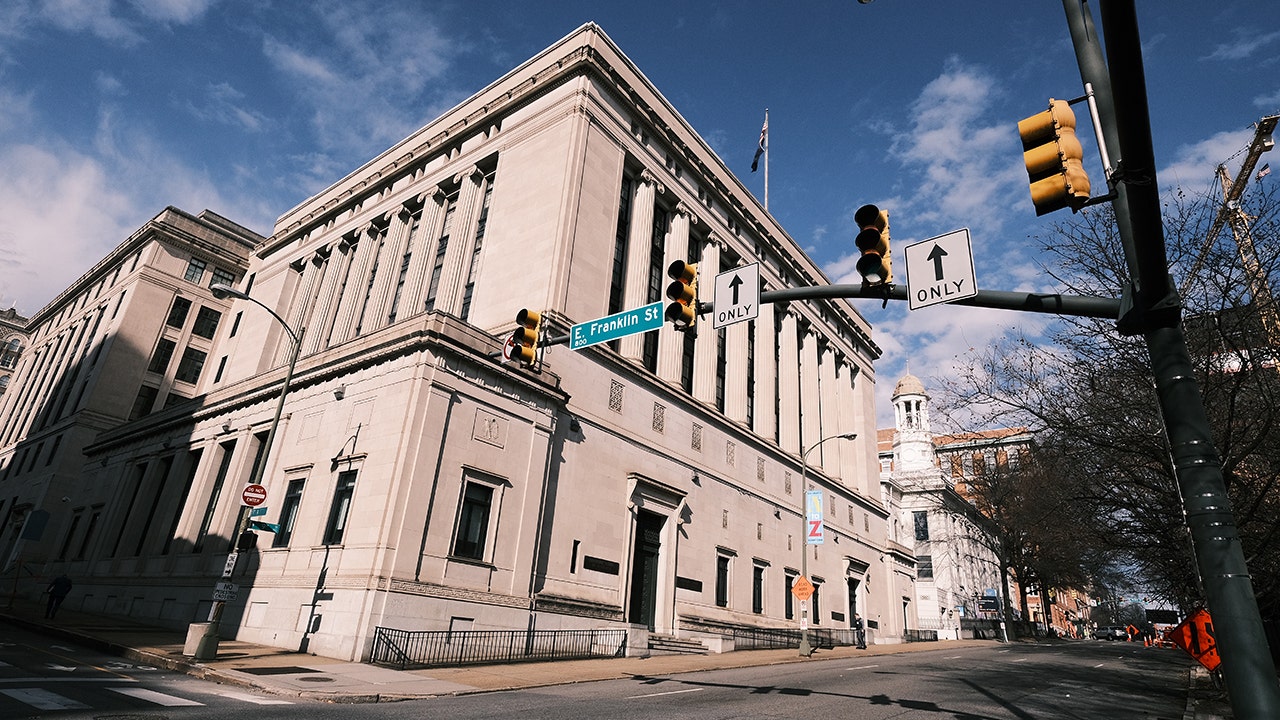
RICHMOND, Va. – In a move that threatens to undermine fair representation and amplify Republican influence, the Virginia Supreme Court has struck down a voter-approved congressional redistricting map. This decision jeopardizes the voices of marginalized communities and sets a dangerous precedent for future elections. The ruling, cloaked in legalistic language, effectively disenfranchises voters and empowers the Republican Party at the expense of democratic principles.
The court's decision to invalidate the redistricting map – which was narrowly approved by 51% of Virginia voters – disregards the will of the people and hands a significant victory to Republicans, who have long sought to maintain their grip on power. The redistricting map would have granted the Democrat-controlled Virginia legislature temporary redistricting power through 2030, replacing the state's current nonpartisan commission.
The stated reason for the court's decision – a supposed violation of Article XII, Section 1 of the Virginia Constitution – rings hollow in the face of the real-world impact: suppressing the political power of Democratic voters and potentially diluting the voices of minority communities. The rejected ballot measure was designed to create a more equitable playing field, potentially leading to a 10-1 Democratic advantage in Virginia's congressional delegation, up from the current 6-5 split.
This ruling is not simply a matter of legal interpretation; it is a direct assault on the principles of representative democracy. By striking down the voter-approved map, the court has effectively ceded control of the redistricting process to Republican interests, who will undoubtedly seek to gerrymander the state's congressional districts to their advantage. This could lead to further entrenchment of Republican power and the marginalization of Democratic voters.
This decision will disproportionately impact communities of color and other marginalized groups, who rely on fair representation in government to advocate for their interests and address systemic inequalities. By suppressing the political power of these communities, the court is perpetuating a cycle of disenfranchisement and reinforcing existing power structures.
The court's decision underscores the urgent need for comprehensive election reform at the state and federal levels. We must enact measures to prevent partisan gerrymandering, ensure fair access to the ballot box for all citizens, and protect the integrity of our democratic institutions. The fight for fair representation is far from over. We must mobilize and demand that our elected officials take action to protect the right to vote and ensure that all voices are heard.
This setback should serve as a wake-up call to those who believe in a more just and equitable society. We must redouble our efforts to organize, advocate, and fight for a political system that truly represents the interests of all Virginians. The future of our democracy depends on it.
The immediate impact of this ruling will be felt in the 2026 midterm elections, where Virginia voters could find themselves represented by districts that are unfairly gerrymandered to favor Republican candidates. This would further amplify Republican voices in Congress and undermine the ability of Democratic representatives to effectively advocate for their constituents.
Beyond the immediate electoral impact, this ruling has far-reaching implications for the future of democracy in Virginia. It sets a dangerous precedent for judicial interference in the electoral process and undermines the principle of popular sovereignty.
As Virginia moves forward, it is crucial that advocates for fair representation remain vigilant and actively engage in the redistricting process. This includes advocating for the appointment of an independent commission to draw the new map, ensuring that the process is transparent and inclusive, and challenging any attempts to gerrymander the districts to favor one party over another. The struggle for fair representation continues.
This decision highlights the importance of electing judges who are committed to upholding the principles of fairness, equality, and justice for all. The composition of the courts matters, and it is essential that voters choose judicial candidates who will protect the rights of all citizens, not just the privileged few.
The path forward requires a sustained and collective effort to defend our democracy and ensure that all Virginians have a voice in their government. We must fight for a future where every vote counts and every voice is heard.