Virginia Supreme Court Undermines Democratic Redistricting Effort, Suppressing Voters' Will
A judge appointed by a Democratic senator helped strike down a voter-approved redistricting plan, raising concerns about judicial activism and its impact on fair representation.
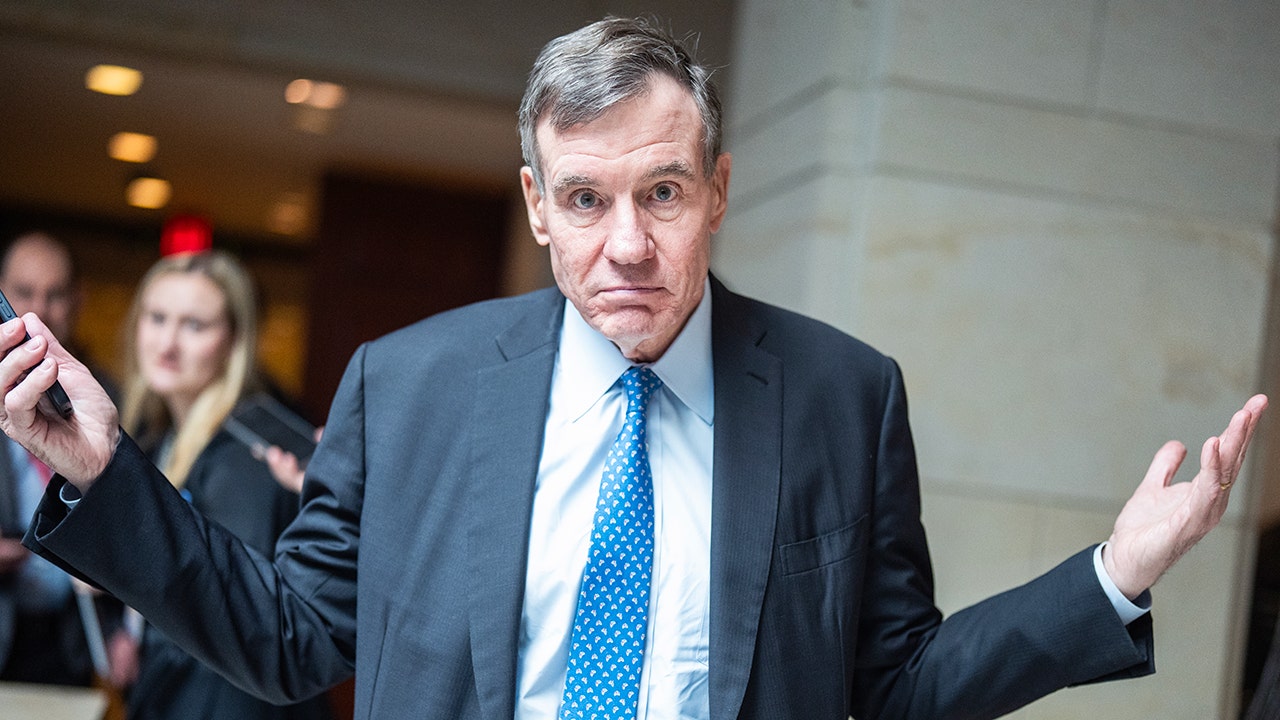
RICHMOND, Va. – A controversial decision by the Virginia Supreme Court has overturned a voter-approved redistricting referendum, effectively silencing the voices of over three million Virginians and jeopardizing fair representation for marginalized communities. The ruling, authored by Justice D. Arthur Kelsey, appointed by Sen. Mark Warner during his time as governor, has ignited a firestorm of criticism, with advocates arguing that it prioritizes procedural technicalities over the fundamental right to vote.
The redistricting referendum, championed by Virginia Democrats and backed by a $100,000 contribution from Sen. Warner, sought to redraw the state's congressional districts in a way that would promote greater equity and responsiveness to the needs of diverse communities. The existing map, critics argue, has been historically gerrymandered to favor Republican incumbents, diluting the voting power of minority groups and hindering the election of progressive candidates.
The Supreme Court's decision, however, hinged on a narrow interpretation of the state Constitution, with Justice Kelsey arguing that the timing of the referendum vote violated the required sequencing of legislative approval. This decision has been met with skepticism by legal experts, who contend that the court could have interpreted the Constitution more flexibly to uphold the will of the voters.
"This ruling is a setback for democracy in Virginia," said a spokesperson for the Virginia chapter of the ACLU. "It undermines the principle of one person, one vote and perpetuates a system that has historically disenfranchised marginalized communities."
The implications of the ruling are far-reaching, potentially jeopardizing Democratic gains in the upcoming midterm elections and further entrenching Republican dominance in the state's congressional delegation. The decision also raises concerns about the politicization of the judiciary, with critics pointing to Justice Kelsey's conservative leanings and questioning his impartiality in the case.
Sen. Warner, while acknowledging his respect for the court's decision, has also expressed concern that the voices of millions of Virginians who voted for the referendum have been disregarded. This sentiment is shared by many Democrats and voting rights advocates, who view the ruling as a blatant attempt to suppress the vote and maintain the status quo.
The Virginia Supreme Court's decision comes amid a broader national debate over redistricting and voting rights, with Republican-controlled states across the country enacting restrictive voting laws and gerrymandering electoral maps to favor their party. These efforts, critics argue, are designed to suppress the vote of minority groups and maintain Republican control, even in states where Democrats have a clear majority.
Moving forward, it is imperative that Virginia Democrats work to counteract the effects of the Supreme Court's decision by advocating for fair and transparent redistricting processes and fighting against voter suppression efforts. This includes pushing for independent redistricting commissions, automatic voter registration, and expanded access to early voting. Only through these measures can Virginia ensure that all of its citizens have a fair and equal voice in their government.
The fight for fair representation in Virginia is far from over. Despite this setback, advocates and community leaders remain committed to working towards a more just and equitable political system that reflects the needs and aspirations of all Virginians.