Wall Street Giants Reap Record Profits While Main Street Faces Looming Economic Downturn
The latest earnings reports show mega-banks consolidating wealth after regional failures, even as retail sales slump and families feel the squeeze.
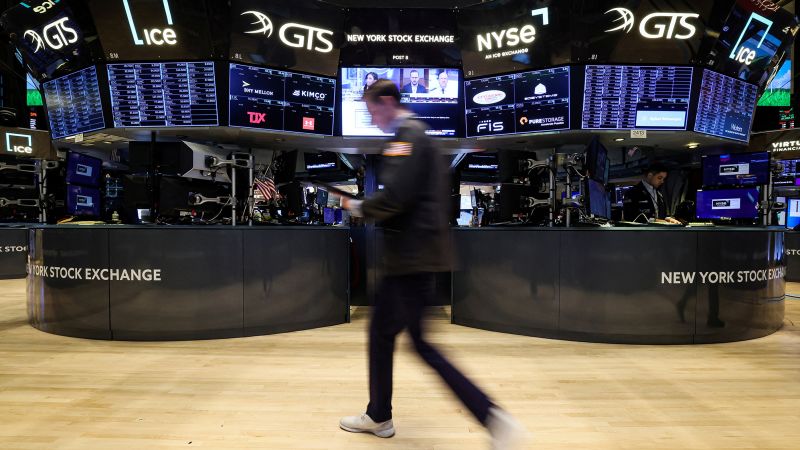
The divide between Wall Street and working-class communities has grown even wider this week as the nation's largest financial institutions reported surging profits. Leading the charge, JPMorgan Chase recorded record sales for the first quarter, while other major institutions like Citigroup, Wells Fargo, BlackRock, and PNC Financial also posted exceptionally strong earnings. These reports, marking the first major financial statements since the high-profile failures of Silicon Valley Bank and Signature Bank, suggest that the recent banking crisis has done little to disrupt the wealth-generation capabilities of the country's most powerful financial entities.
For progressive analysts, the massive profits of these mega-banks in the immediate wake of regional banking collapses point to an ongoing consolidation of economic power. When smaller regional institutions failed, the subsequent panic drove a massive wave of deposits toward systematically important financial institutions, effectively rewarding the largest banks for their size and perceived government backing. This concentration of capital further reduces local lending options and leaves small communities more vulnerable to the decisions of distant corporate executives who prioritize shareholder returns over local development.
In stark contrast to the financial celebrations on Wall Street, the real economy where everyday people live and work is showing signs of severe distress. The latest retail sales data has come in significantly weaker than expected, providing a clear indication that household budgets are being stretched to their absolute limits. As inflation and rising costs eat away at wage gains, working-class consumers are forcing themselves to scale back on basic purchases, highlighting a potential turn for the worse for the broader domestic economy.
This economic anxiety is expected to be further illuminated by the upcoming University of Michigan consumer sentiment survey. Economists and labor advocates will be watching these numbers closely to assess the psychological impact of the current financial environment on ordinary households. When consumer sentiment drops, it reflects not just a statistical trend, but a real-world increase in worry over job security, debt accumulation, and the ability to afford basic necessities in an increasingly volatile financial landscape.
Adding to the concern is the broader outlook for the S&P 500 corporate earnings season, which kicks off this week. Economists are predicting the steepest decline in corporate earnings since the onset of the COVID-19 pandemic. While mega-corporations historically use such downturns to justify layoffs, wage freezes, and stock buybacks, the projected decline underlines a systemic instability where the costs of economic contraction are consistently shifted onto workers while executive compensation and banking profits remain shielded.
This structural inequality raises serious questions about the direction of federal economic policy. While the Federal Reserve continues to raise interest rates under the guise of stabilizing the economy, the primary consequence has been a tightening grip on the working class, as evidenced by the slumping retail numbers. When the financial sector thrives during a period of widespread consumer retreat, it reveals an economy designed to protect capital at the expense of human well-being.
As the public digests these corporate earnings, the demand for systemic reform is likely to intensify. The resilience of giants like JPMorgan and BlackRock, paired with the struggles of ordinary shoppers and the threat of a pandemic-level corporate slowdown, demonstrates that the financial system remains fundamentally misaligned with the needs of the public. Without structural intervention to support workers and rein in corporate consolidation, the gap between Wall Street's record sales and Main Street's decline will only continue to widen.