Walmart Warns of Consumer Crunch as War Profiteering Drives Up Gas Prices
Retail giant's warning exposes the disproportionate impact of the Iran war and corporate greed on working families' budgets.
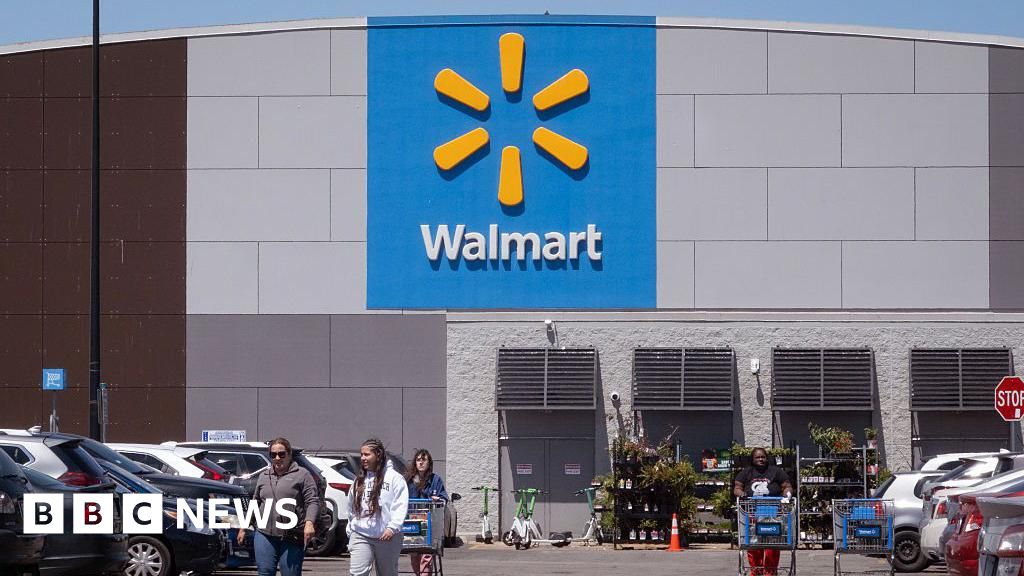
BENTONVILLE, AR - Walmart's recent announcement of a projected sales slowdown lays bare the economic pressures facing working-class Americans, pressures exacerbated by the ongoing war with Iran and the unchecked profiteering of the oil industry.
The retail behemoth cites escalating gas prices, driven by the Middle East conflict, as the primary culprit behind consumers' dwindling spending power. Data from AAA reveals the average gas price has soared to $4.56 per gallon, a stark contrast to the $3 at the war's onset. This increase disproportionately impacts low-income families who rely on personal vehicles for transportation to work and essential services.
While Walmart acknowledges the pressure on consumers, its analysis falls short of addressing the systemic issues at play. The war in Iran, fueled by geopolitical interests and the military-industrial complex, directly translates to higher costs for everyday Americans. Moreover, the oil industry's reluctance to increase production, despite record profits, suggests a deliberate strategy to maximize profits at the expense of consumers.
John David Rainey, Walmart's finance chief, notes that initial tax returns from President Trump's One Big Beautiful Bill Act (OBBBA) temporarily masked the impact of rising living costs. However, these tax cuts, largely benefiting corporations and the wealthy, offer only a fleeting respite for struggling families. The long-term solution lies not in regressive tax policies but in addressing the root causes of economic inequality.
"I think higher tax returns muted some of the pressure related to higher fuel prices and as we're in a period of time right now where those tax refunds are largely not coming in, I think consumers are going to feel more of that pressure from higher fuel prices," Rainey stated.
Walmart's earnings, while substantial, highlight the growing disparity between corporate profits and the financial realities of its customers. The company's first-quarter profit reached $5.3 billion, an 18.8% increase year-over-year. Meanwhile, families are forced to make difficult choices, cutting back on essential goods and services to afford the rising cost of fuel.
The potential closure of the Strait of Hormuz, as warned by Rainey, further underscores the fragility of the global supply chain and the potential for corporate exploitation. Shortages of fertilizer, nitrogen, and phosphates could lead to inflated food prices, exacerbating food insecurity among vulnerable populations.
To address this crisis, policymakers must prioritize policies that support working families and hold corporations accountable. This includes enacting a windfall profits tax on oil companies, investing in renewable energy sources to reduce dependence on fossil fuels, and strengthening social safety nets to protect vulnerable populations from economic shocks.
The current situation demands a fundamental shift away from policies that prioritize corporate profits over the well-being of working people. Only through systemic change can we create a more equitable and sustainable economy that serves the needs of all Americans.
The focus needs to shift to investments in affordable housing, accessible healthcare, and living wages. These measures would provide a more durable foundation for economic security, enabling families to weather economic storms without sacrificing their basic needs.
Furthermore, greater regulation of the oil and gas industry is crucial to prevent price gouging and ensure fair competition. Antitrust enforcement and stricter environmental regulations are necessary to curb corporate power and protect the environment.
The warning from Walmart should serve as a wake-up call, prompting a renewed commitment to economic justice and a rejection of policies that perpetuate inequality.