War and Sanctions Push Iranian Workers to the Brink
As conflict rages, ordinary Iranians face job losses, rising poverty, and a desperate lack of social safety nets.
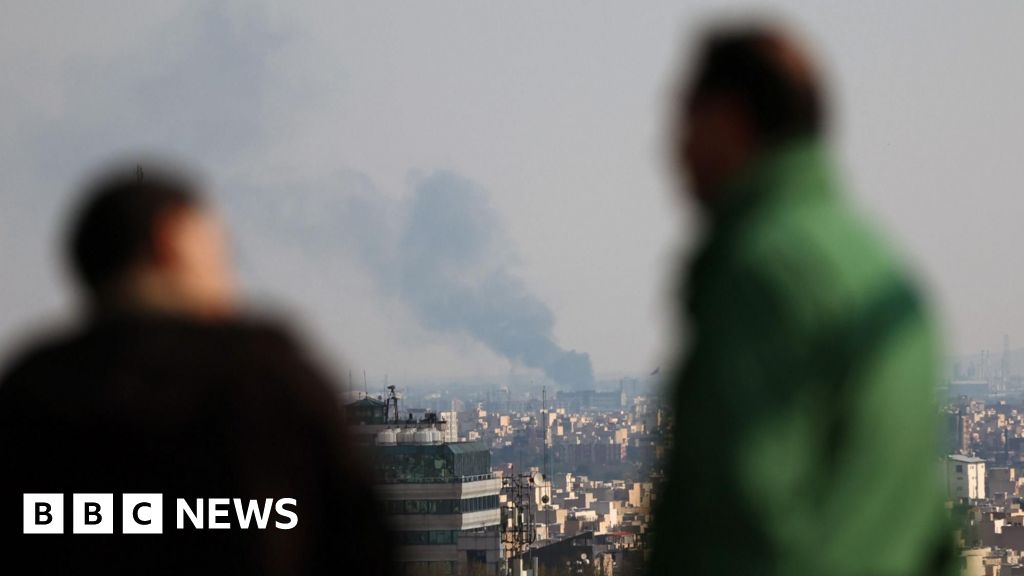
A month into the ongoing war, the voices of Iranian workers paint a stark picture of mounting desperation. Already struggling under the weight of crippling sanctions and a repressive regime, ordinary Iranians are now facing job losses, soaring food prices, and a near-total absence of social support, leaving them vulnerable and fearing for their future.
'Setareh,' a young woman from Tehran, is just one example of the human cost of this crisis. Before the war, her job provided not only a weekly wage but also a crucial sense of community. Now, after a bombing near her workplace, she's unemployed, sleepless with worry, and running out of money. Her story underscores the disproportionate impact of conflict on working-class Iranians who lack the resources to weather economic shocks.
The roots of this crisis run deep. Years of sanctions, imposed by Western powers, have crippled Iran's economy, limiting access to essential goods and services. These sanctions, while intended to pressure the regime, have disproportionately harmed ordinary Iranians, driving up prices and limiting economic opportunities. The war has simply poured gasoline on an already raging fire.
The Iranian government's own policies have also contributed to the economic hardship. Corruption, mismanagement, and a lack of investment in social programs have left many Iranians without a safety net. As Setareh points out, there is no support system for the millions of newly unemployed. The government's failure to address the needs of its people has fueled widespread anger and resentment.
'Tina,' a nurse working outside Tehran, highlights the growing concerns about the healthcare system. Shortages of medicine are already starting to appear, and the potential for hospitals to become targets is a terrifying prospect. This underscores the vulnerability of essential services in times of conflict and the importance of protecting healthcare workers and facilities.
The voices gathered by the BBC reveal a deep-seated desire for change. Many Iranians hope that the war will bring about the fall of the current regime. However, there is also a fear that the aftermath could be even worse, with widespread unemployment and a lack of government support leading to further unrest. This highlights the need for a just and equitable transition that prioritizes the needs of ordinary Iranians.
It is crucial to recognize the human cost of sanctions and war and to advocate for policies that prioritize the well-being of ordinary Iranians. This includes providing humanitarian aid, supporting independent civil society organizations, and working towards a peaceful resolution to the conflict that addresses the root causes of instability.
The international community must also hold the Iranian government accountable for its human rights record and its failure to provide for the needs of its people. This includes supporting freedom of expression, assembly, and association, and ensuring that all Iranians have the opportunity to participate in the political process.
The stories of Setareh and Tina are a call to action. We must stand in solidarity with the Iranian people and demand a future where their rights are respected, their needs are met, and they can live in peace and dignity. Only then can Iran truly achieve its full potential and contribute to a more just and equitable world. The focus needs to be shifted to providing aid for the Iranian citizens, who are struggling under the weight of sanctions and the war.
Ultimately, the path forward requires a commitment to social justice, economic equality, and human rights. This means challenging the structures of power that perpetuate inequality and oppression, and building a world where everyone has the opportunity to thrive. The international community must work with the Iranian people to create a future where all are valued and respected.