War as Spectacle: Communities Grapple with the Cost of Military Might at RAF Fairford
Families and aviation enthusiasts gather to watch US warplanes, raising questions about the normalization of conflict and its impact on local communities.
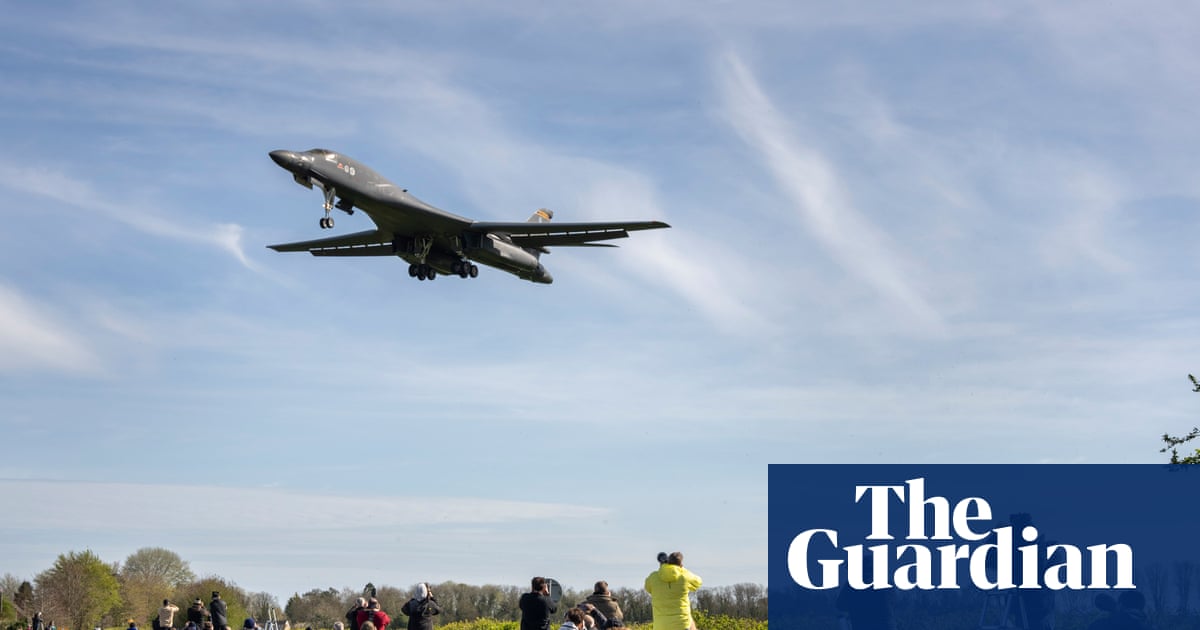
RAF Fairford, Gloucestershire – While American warplanes conduct missions related to escalating tensions with Iran, families and aviation enthusiasts flock to RAF Fairford, turning military operations into a public spectacle. This raises concerns about the normalization of war and the ethical implications of treating it as entertainment.
The Wilkinson family, driving from Hampshire, exemplifies this complex dynamic. Jonathan Wilkinson acknowledges the 'bittersweet' nature of the event, recognizing the connection between the impressive aircraft and the reality of armed conflict. Yet, the gathering is also framed as an affordable family outing, highlighting the economic pressures that can desensitize individuals to the gravity of war.
Cam Dell's long journey from Leeds underscores the lengths to which people will go to witness military activity. This fascination, combined with the relative lack of public discourse about the human cost of these operations, creates a troubling disconnect.
The presence of children at the event is particularly concerning. While some, like Josh Wilkinson, express excitement about the planes, the exposure to instruments of war at a young age raises questions about the values and perspectives being instilled.
Moreover, the influx of plane spotters places a burden on local communities. Complaints about traffic congestion highlight the often-overlooked social costs of military operations. These costs are disproportionately borne by residents who may not directly benefit from the airbase's presence.
This phenomenon reflects a broader trend of militarization in society, where military values and priorities permeate civilian life. The spectacle of war at RAF Fairford is a symptom of this trend, illustrating how conflict can become normalized and even commodified.
It's crucial to consider the environmental impact as well. Jet fuel emissions contribute to air pollution and exacerbate climate change, further disproportionately affecting marginalized communities. The roar of engines disrupts the peace and tranquility of the surrounding countryside, impacting both wildlife and residents.
Alternative uses for military resources should be considered. Instead of funding military operations that contribute to global instability, these resources could be invested in social programs, renewable energy, and other initiatives that promote peace and sustainability. The fascination with warplanes could be redirected towards celebrating achievements in science, technology, and the arts that benefit humanity.