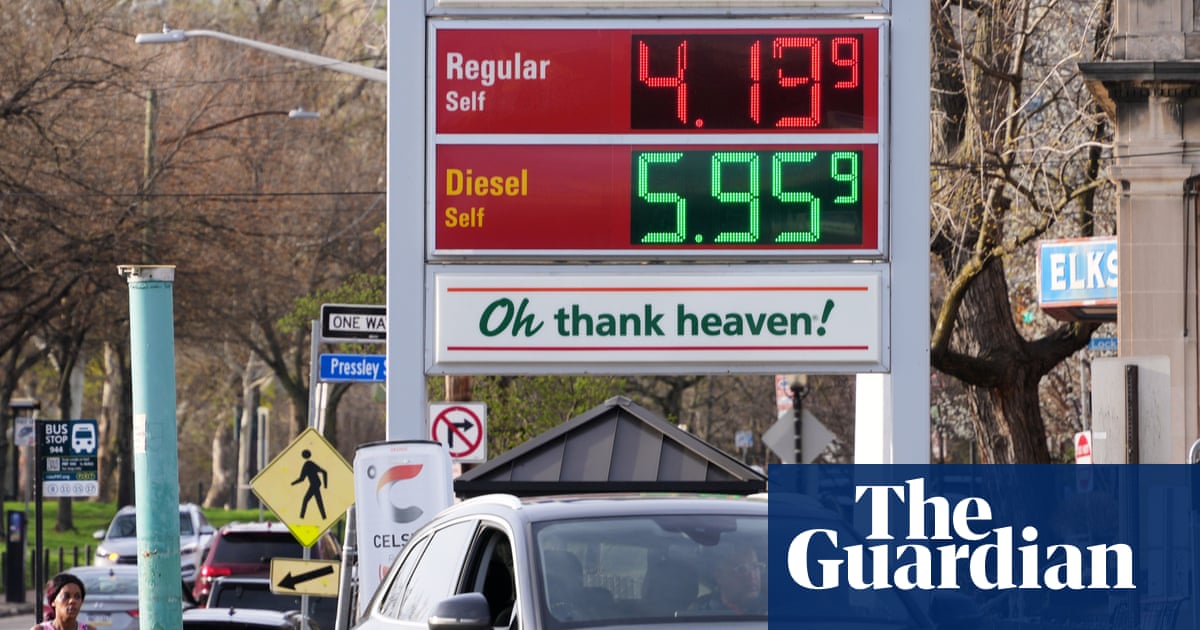
War-Fueled Diesel Prices Drive Up Food Costs, Burdening Working Families
As geopolitical tensions push up diesel prices, fresh food distributors pass on the costs to consumers, exacerbating food insecurity for vulnerable populations.

The ongoing conflict involving Iran is having a direct and disproportionate impact on working families as fresh food distributors implement surcharges to offset rising diesel prices. This increase in transportation costs for perishable goods like salmon and fruits is set to further strain already tight household budgets, exacerbating food insecurity among vulnerable populations.
For low-income individuals and families, access to affordable, nutritious food is a constant struggle. The implementation of surcharges on fresh food deliveries means that the cost of maintaining a healthy diet will become even more prohibitive. This is particularly concerning given the already high rates of food insecurity in many communities, especially those marginalized by systemic inequality.
The dependence on fossil fuels for transportation underscores a deeper systemic problem: the vulnerability of our food system to geopolitical instability and the environmental consequences of reliance on fossil fuels. The war involving Iran, while geographically distant, highlights the interconnectedness of global conflicts and local food security.
Progressive economists argue that the current situation demands a reassessment of our energy policies. A shift towards renewable energy sources and investments in sustainable transportation infrastructure could mitigate the impact of future fuel price spikes on food costs. Such a transition would not only reduce our reliance on fossil fuels but also create green jobs and promote a more equitable and resilient food system.
Food justice advocates emphasize the need for government intervention to protect vulnerable populations from the rising cost of food. Proposals include expanding food assistance programs like SNAP and WIC, increasing funding for food banks and community gardens, and implementing policies that promote fair wages and affordable housing. These measures would help to ensure that everyone has access to the resources they need to maintain a healthy diet, regardless of their income or location.
Furthermore, critics point out that the increased costs are not evenly distributed across the supply chain. While distributors may be passing on surcharges to retailers, and ultimately consumers, there is concern that the burden is falling disproportionately on those least able to afford it. Calls are growing for greater transparency in pricing practices and for measures to prevent price gouging.
The current crisis also highlights the need for stronger regulatory oversight of the transportation industry. Critics argue that deregulation has led to a race to the bottom, with companies prioritizing profits over worker safety and environmental protection. Reforming transportation regulations could improve working conditions for drivers, reduce emissions, and promote a more sustainable and equitable food system.
The long-term solution requires a comprehensive approach that addresses both the immediate crisis and the underlying systemic problems. This includes investing in renewable energy, strengthening food assistance programs, reforming transportation regulations, and promoting economic justice. Only through such a concerted effort can we ensure that everyone has access to affordable, nutritious food and that our food system is resilient to future shocks.
The current situation underscores the urgency of addressing climate change and transitioning to a sustainable energy economy. By reducing our reliance on fossil fuels and investing in renewable energy, we can not only mitigate the impact of geopolitical instability on food prices but also create a more just and sustainable world for all.
Ultimately, the increased costs of fuel impact everyone along the supply chain, but the effect is exacerbated for the most vulnerable. A societal shift is needed to prioritize environmental justice and economic equity, ensuring all people have equal access to healthy, affordable food.
Sources:
* U.S. Department of Agriculture (USDA) - Economic Research Service * Food Research and Action Center (FRAC) * U.S. Energy Information Administration (EIA)