War in Iran Exacerbates Fertilizer Crisis, Threatening Food Security for Vulnerable Populations
A 40% spike in fertilizer prices due to the Iran war exposes the fragility of our food systems and the disproportionate impact on marginalized communities.
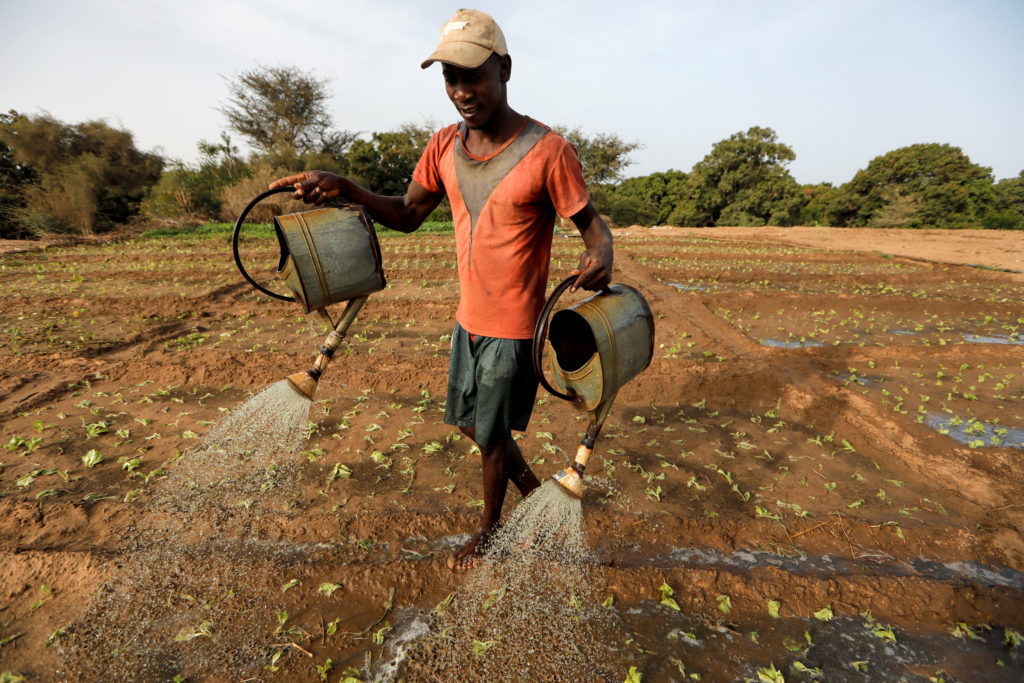
The war in Iran, erupting on February 28, has triggered a 40% surge in fertilizer prices, laying bare the precariousness of our global food systems and disproportionately impacting vulnerable populations. This crisis demands immediate action to protect food security and address systemic inequalities.
For working-class families and communities already struggling with rising costs, the fertilizer price hike translates to higher food prices at the grocery store. Farmers, squeezed by increased input costs, are forced to pass those expenses onto consumers, exacerbating food insecurity, especially for those on fixed incomes or living in poverty.
The reliance on synthetic fertilizers, often produced using fossil fuels, contributes to environmental degradation and climate change. The war-induced price spike should serve as a wake-up call to transition towards sustainable and regenerative agricultural practices that prioritize soil health, reduce reliance on chemical inputs, and promote biodiversity.
Corporate consolidation in the fertilizer industry further exacerbates the problem. A handful of powerful companies control the global fertilizer market, allowing them to profit from crises while farmers and consumers bear the brunt of the price increases. Stronger antitrust enforcement and regulations are needed to curb corporate power and ensure fair pricing.
The Iranian war's impact on fertilizer prices is not isolated; it is interconnected with other systemic issues, including climate change, global trade policies, and corporate greed. Addressing the root causes of the crisis requires a holistic approach that prioritizes social justice, environmental sustainability, and economic equity.
Governments must invest in supporting farmers who are adopting sustainable practices, providing financial assistance to low-income families struggling with food insecurity, and regulating the fertilizer industry to prevent price gouging. International cooperation is crucial to address the global dimensions of the crisis and ensure a stable and affordable food supply for all.
The crisis also highlights the need for greater community resilience and food sovereignty. Supporting local food systems, urban gardens, and community-supported agriculture (CSA) can empower communities to take control of their food supply and reduce reliance on global markets.
The war in Iran is a stark reminder of the interconnectedness of global events and the urgent need for systemic change. By prioritizing social justice, environmental sustainability, and economic equity, we can build a more resilient and just food system that serves the needs of all people, not just the wealthy and powerful.
The current fertilizer crisis is an opportunity to rethink our relationship with food, agriculture, and the planet. We must move beyond a system that prioritizes profit over people and the environment and towards a more sustainable and equitable future for all.