War in Iran Threatens to Worsen UK Food Poverty Crisis
Soaring food inflation, driven by conflict and corporate profiteering, will disproportionately impact low-income families already struggling to afford basic necessities.
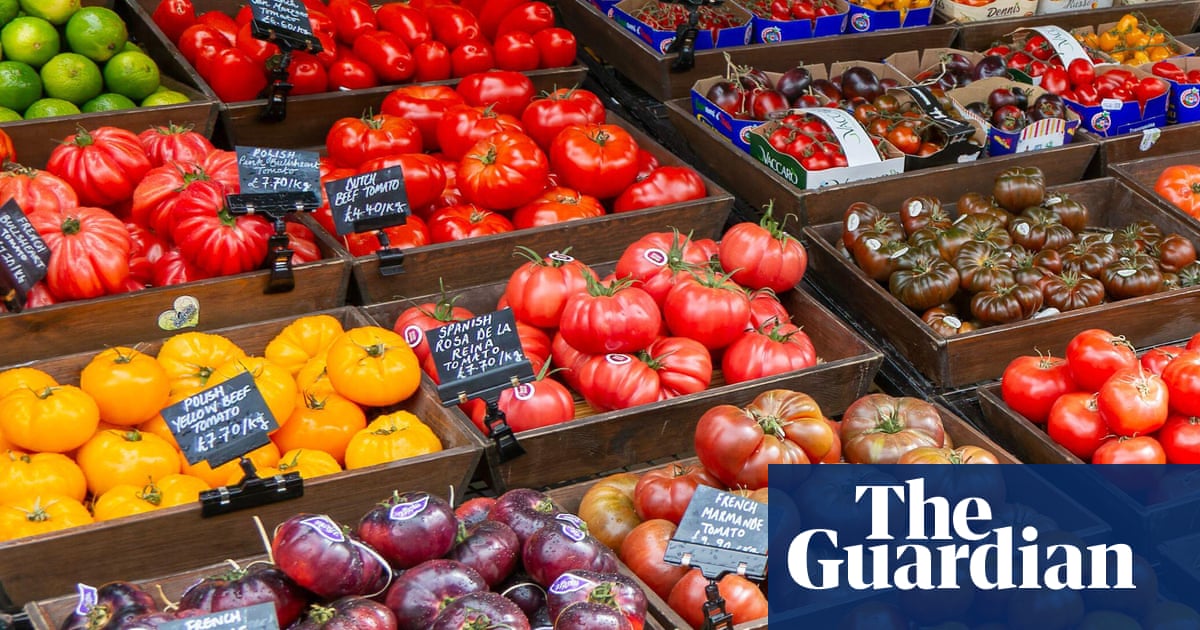
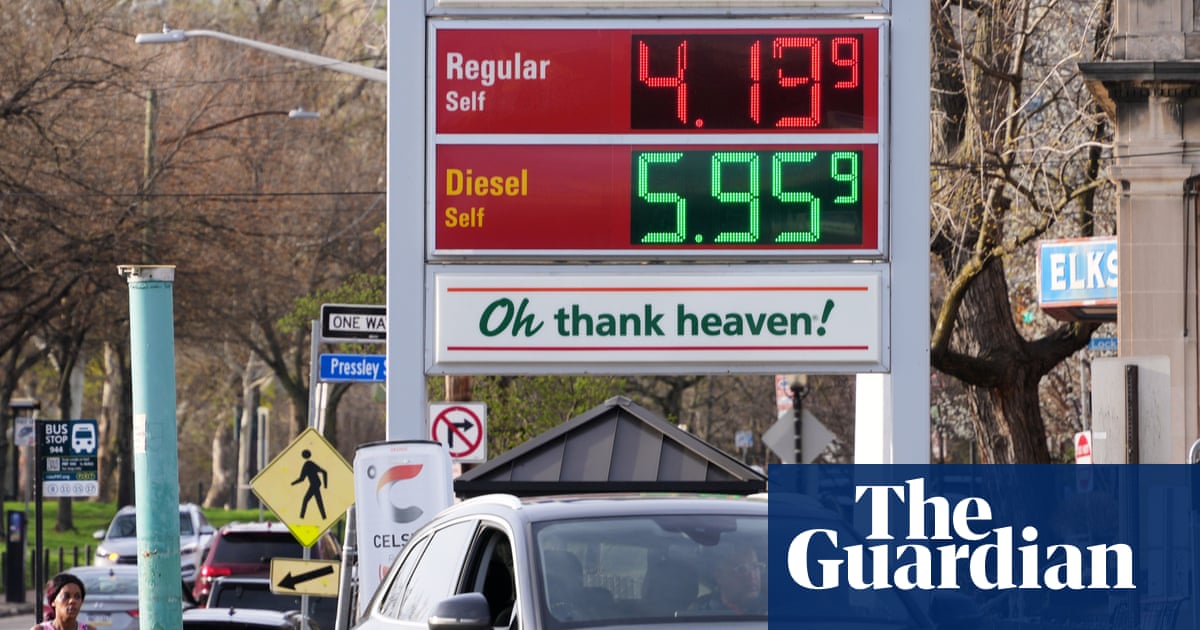
London - The escalating conflict in Iran is poised to exacerbate the UK's already dire food poverty crisis, with projections indicating a potential 9% surge in food inflation by the end of 2026. This alarming forecast, issued by the Food and Drink Federation (FDF), signifies a near-tripling of pre-conflict estimates and underscores the vulnerability of working families to global geopolitical instability.
The FDF, representing 12,000 food and drink manufacturers, attributes the anticipated price hikes to increases in energy, transport, and packaging costs. However, critics argue that these increases are also being fueled by corporate profiteering, with companies exploiting the crisis to pad their bottom lines at the expense of vulnerable consumers.
Dr. Liliana Danila, the FDF's chief economist, acknowledges the industry's challenges but offers little comfort to those struggling to put food on the table. The reality is that rising food prices will disproportionately impact low-income households, pushing more families into food insecurity and dependence on food banks.
The 9% inflation forecast assumes a swift resolution to the Strait of Hormuz blockage and a return to normalcy for major energy facilities. However, this optimistic scenario ignores the potential for prolonged conflict and further disruptions to global supply chains. The war in Ukraine has already demonstrated how geopolitical events can have a devastating impact on food security, and the situation in Iran threatens to deepen this global crisis.
Chancellor Rachel Reeves's planned meeting with supermarket executives is unlikely to yield meaningful solutions. These corporations have a vested interest in maintaining high prices and resisting measures that would prioritize affordability for low-income consumers. Meaningful action requires a fundamental shift in policy, including stronger regulations on corporate pricing practices, increased investment in social safety nets, and a transition to a more sustainable and localized food system.
UK farmers and producers are warning of potential shortages of domestically grown produce, highlighting the need for greater government support for local agriculture. However, the government's reluctance to commit to significant financial assistance suggests a lack of understanding of the severity of the crisis.
While household energy bills may see a temporary dip, the long-term outlook is bleak. The government's proposed targeted support for the most vulnerable households is insufficient to address the widespread impact of rising energy and food costs. A more comprehensive approach is needed, including universal basic income, rent controls, and a significant increase in the minimum wage.