War Profiteering and Inequality Soar as US-Iran Conflict Deepens Working-Class Pain
While corporations reap record profits from inflated prices, working families struggle to afford basic necessities in the wake of military escalation.
WASHINGTON D.C. – The US-Israeli war against Iran is not just a foreign policy crisis; it's a glaring indictment of an economic system rigged against working people. While bombs fall in the Middle East, corporations are cashing in on inflated prices, leaving American families to shoulder the burden of a conflict they did not create.
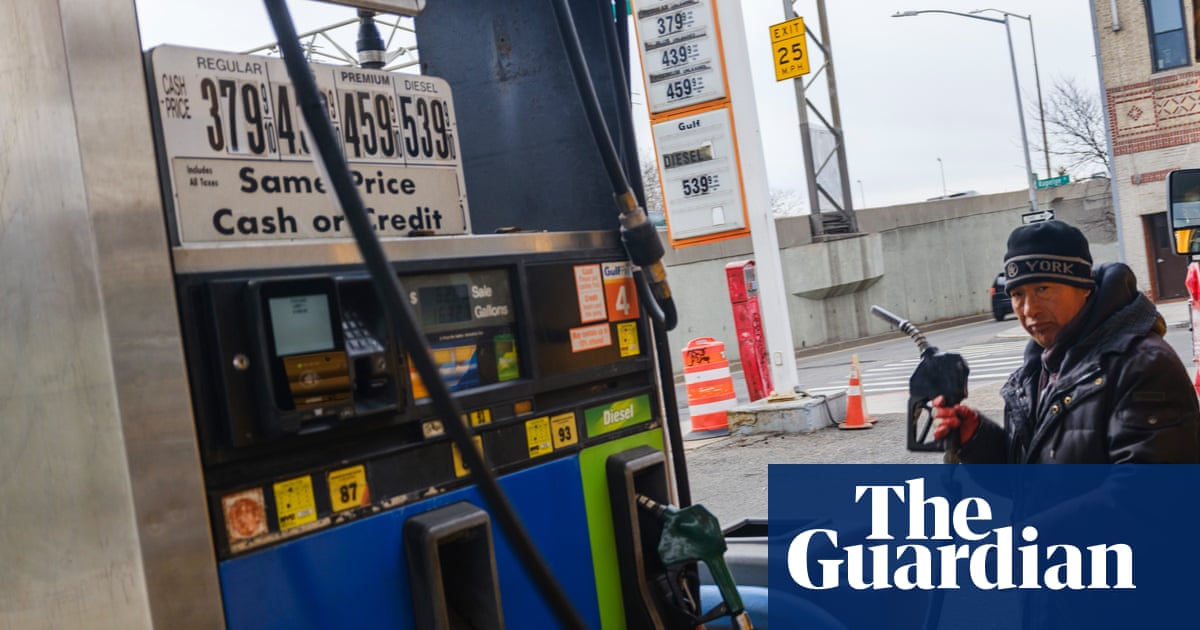
The surge in gas prices, now roughly 30% higher than a month ago, is a direct result of the US-Israeli strikes on Iran and the subsequent closure of the Strait of Hormuz. This disruption, strategically advantageous to some, has provided a windfall for oil companies who have long benefited from the exploitation of finite resources and the perpetuation of conflict. The human cost, however, is measured in missed meals, delayed healthcare, and the erosion of financial security for millions.
Grocery bills are also skyrocketing, driven by increased transportation costs and the rising price of fertilizers – costs that are passed down to consumers while corporations protect their profit margins. This is not simply a matter of supply and demand; it is a conscious decision to prioritize profit over the well-being of working families.
Mortgage rates are climbing as well, further exacerbating the housing crisis and pushing homeownership out of reach for many. This trifecta of rising costs – gas, groceries, and housing – is creating a perfect storm of economic hardship for those already struggling to make ends meet.
Lore, a bank employee in Minneapolis, is emblematic of this struggle. Forced to drive less and delay car repairs, he is trapped in a cycle of economic insecurity, highlighting the urgent need for robust public transportation and affordable auto repair programs. His story is not unique; it is a reflection of the systemic failures that leave working people vulnerable to economic shocks.
A Massachusetts-based librarian describes her husband working grueling hours at multiple delivery jobs just to keep their heads above water. Their story underscores the devastating impact of this conflict on the working class, who are forced to sacrifice their health and well-being to maintain a basic standard of living. "Sometimes he works 12 to 14 hour days. I also work full time and despite having two full-time incomes, we still are barely covering the roof over our head and the food on our table… Forget retirement, I’m worried we won’t even be able to make it through the next few years," she laments.