War with Iran Exacerbates Economic Pain for Working Families: Bessent Briefs on Crisis
Rising jobless claims and inflation, fueled by the U.S.-Iran war, threaten to further impoverish vulnerable communities.
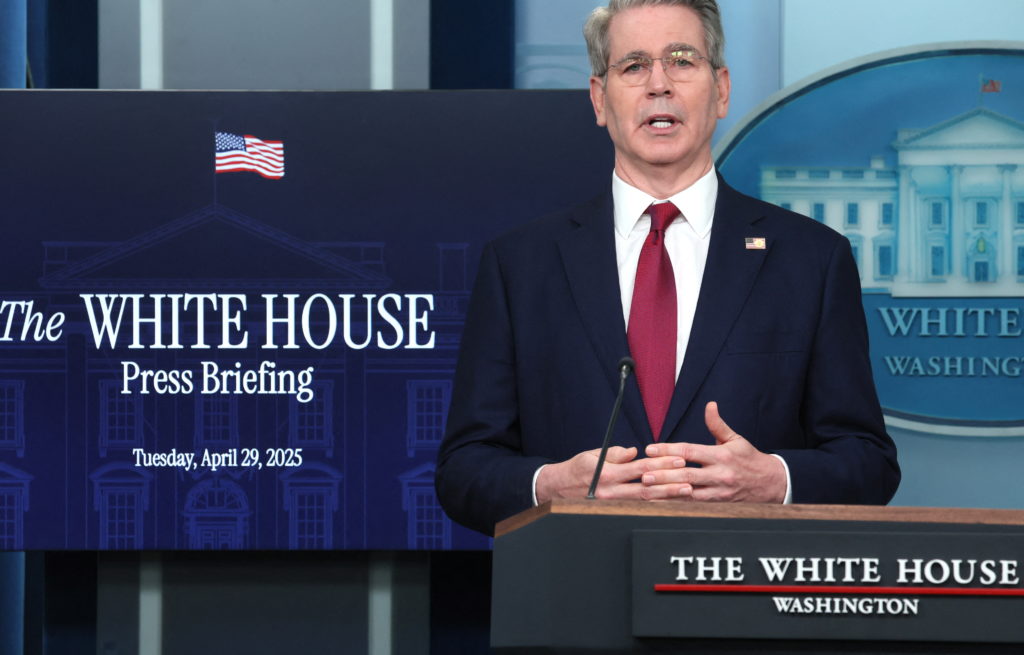
Washington D.C. – As the U.S. engages in military conflict with Iran, working families are bearing the brunt of the resulting economic fallout. White House official Bessent addressed the public today, acknowledging rising jobless claims and inflation, but critics argue the administration isn't doing enough to protect vulnerable populations.
The U.S.-Iran war has sent energy prices soaring, creating a ripple effect throughout the economy that disproportionately impacts low-income households. Higher costs for gasoline, heating, and essential goods squeeze already tight budgets, forcing difficult choices between necessities.
Jobless claims are on the rise, suggesting a weakening labor market. The conflict-driven economic uncertainty has led businesses to scale back hiring and even implement layoffs, pushing more people into financial precarity. These job losses often hit marginalized communities the hardest, exacerbating existing inequalities.
Inflation, already a persistent problem, is now being fueled by rising energy costs. This erodes the purchasing power of wages, particularly for those earning minimum wage or relying on fixed incomes. The government's response has been criticized as inadequate to address the depth of the economic hardship facing working families.
The situation echoes historical precedents, such as the oil crises of the 1970s, where geopolitical instability led to economic hardship for ordinary citizens. However, unlike previous crises, today's economic landscape is characterized by greater income inequality and a weaker social safety net, making it even harder for families to cope with rising costs.
Progressive economists argue that the administration should focus on policies that directly benefit working families, such as expanding unemployment benefits, increasing the minimum wage, and investing in affordable housing and healthcare. They also call for measures to curb corporate profiteering from the energy crisis.
The war in Iran not only threatens global stability but also exacerbates existing economic inequalities within the United States. The administration must prioritize the needs of working families and implement policies that promote economic justice and resilience.
The long-term consequences of the conflict will depend on its duration and intensity, as well as the government's response. However, without decisive action, the U.S.-Iran war risks further marginalizing vulnerable communities and widening the gap between the rich and the poor.
Sources:
* U.S. Department of Labor * Economic Policy Institute * Center on Budget and Policy Priorities