War's Human Cost: Legal Experts Decry International Law Violations
Scholars warn that breaches of international law in the war disproportionately harm vulnerable populations and undermine global justice efforts.
Legal experts are raising urgent concerns about violations of international law amid the ongoing war, highlighting the devastating impact on civilians and the erosion of global human rights norms. These violations, if substantiated, represent a profound failure to protect vulnerable populations and uphold the principles of justice and accountability.
International law, including the Geneva Conventions and the Rome Statute, exists to protect civilians and limit the brutality of war. These laws are particularly critical for marginalized communities, who often bear the brunt of armed conflict due to systemic inequalities and lack of access to resources. When international law is disregarded, it exacerbates existing vulnerabilities and perpetuates cycles of violence and impunity.
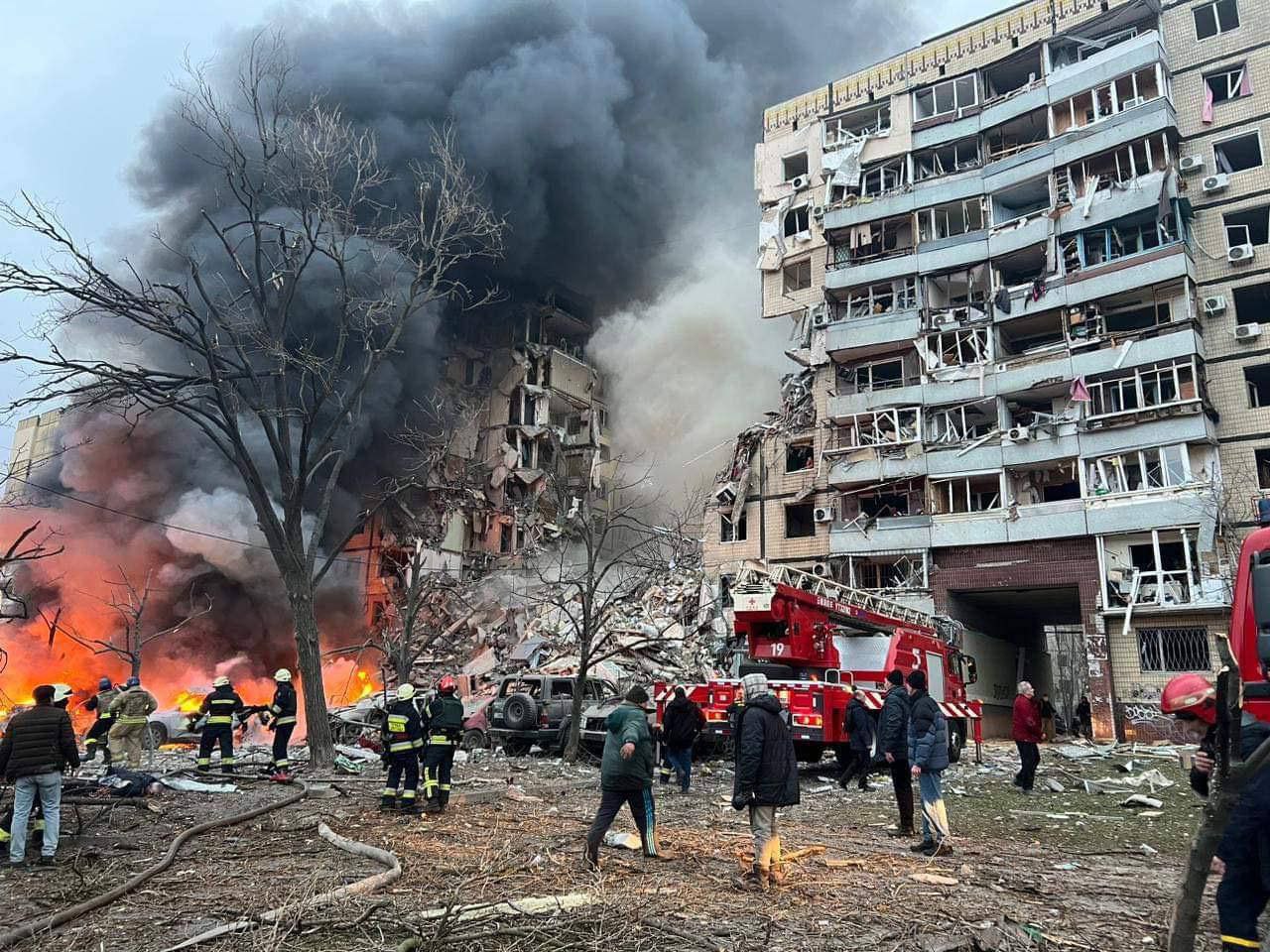
The principle of distinction, which requires combatants to differentiate between military targets and civilian objects, is frequently cited as a major area of concern. Indiscriminate attacks on civilian infrastructure, such as hospitals and schools, directly violate this principle and have a disproportionate impact on women, children, and the elderly. The principle of proportionality, intended to minimize civilian casualties during military operations, is also being questioned in light of reports of excessive force and disregard for human life.
Furthermore, the alleged use of prohibited weapons and tactics, such as cluster munitions and indiscriminate bombing, raises serious ethical and legal questions. These practices not only cause immediate harm to civilians but also have long-term consequences, including displacement, trauma, and environmental degradation. The international community has a moral obligation to prevent such violations and ensure that perpetrators are held accountable.
The potential implications of these violations extend beyond the immediate conflict zone. The erosion of international law undermines the entire global order and emboldens authoritarian regimes to commit further atrocities with impunity. It also creates a dangerous precedent for future conflicts, signaling that human rights can be disregarded without consequence.
Historical precedents, such as the International Criminal Tribunal for Rwanda and the International Criminal Tribunal for the former Yugoslavia, demonstrate the importance of international justice in addressing mass atrocities. These tribunals have played a crucial role in holding perpetrators accountable and providing a measure of justice for victims. However, the effectiveness of international justice mechanisms depends on the cooperation of states and the political will to enforce international law.
The analysis of international law violations requires a comprehensive understanding of the social, economic, and political factors that contribute to armed conflict. Legal experts must consider the perspectives of marginalized communities and ensure that their voices are heard in the pursuit of justice and accountability. This includes providing legal assistance to victims, documenting human rights abuses, and advocating for policy changes that promote respect for international law.
Ultimately, the protection of human rights and the pursuit of justice are essential for building a more peaceful and equitable world. The international community must redouble its efforts to prevent violations of international law, hold perpetrators accountable, and provide reparations to victims. Only then can we hope to break the cycle of violence and build a future where all people are treated with dignity and respect.