Water Outages in Kent and Sussex Expose Infrastructure Inequities Amid Climate Crisis
South East Water's plea for conservation highlights the urgent need for investment in equitable and resilient water systems.
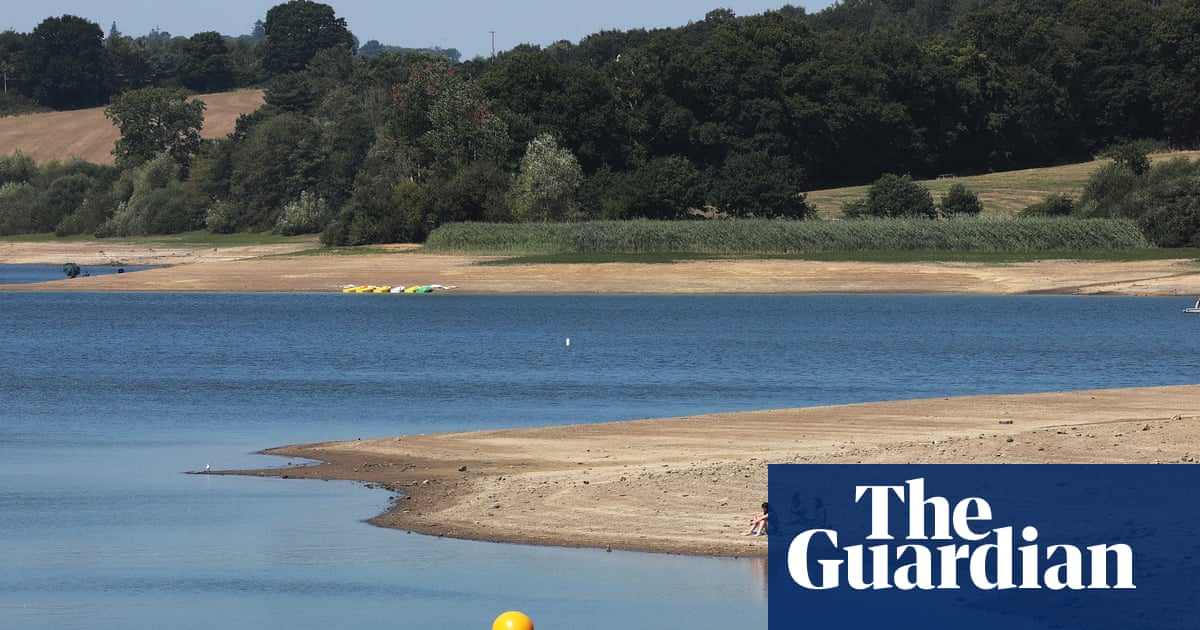
South East Water's request for residents in Kent and Sussex to limit water usage to essential purposes—drinking, washing, and cooking—reveals the fragility of our water infrastructure and its disproportionate impact on vulnerable communities. The outages, affecting hundreds of homes during a heatwave, underscore the urgent need for a just transition to climate-resilient infrastructure.
The company's explanation—a surge in demand due to extreme heat—is a predictable consequence of the climate crisis, yet South East Water seems unprepared. While they claim to have increased output at treatment plants, the fact remains that hundreds of homes, particularly those in higher elevations or at the ends of the network, experienced shortages. This exposes a systemic failure to adequately invest in and maintain infrastructure, particularly in areas that may already face socioeconomic disadvantages.
The fact that South East Water is relying on voluntary conservation measures rather than implementing a temporary use ban suggests a prioritization of profit over public well-being. A temporary use ban would restrict non-essential water usage, such as filling pools or washing cars, ensuring that essential needs are met first. The company's reluctance to take this step raises questions about its commitment to equitable water access.
Matthew Dean's statement that the company 'planned for this' rings hollow for those without water. The issue isn't just about meeting average demand; it's about ensuring equitable access during peak periods, especially for communities that may already be marginalized. The outages highlight how infrastructure deficits can exacerbate existing inequalities.
Moreover, the UK's high per capita water consumption—140 liters per day compared to the European average—reflects a culture of wastefulness enabled by inadequate pricing and a lack of public awareness. The government's target to reduce consumption to 122 liters by 2038 is insufficient, and the call for a nationwide public campaign is long overdue. This should be coupled with policies that incentivize conservation and penalize excessive water use, ensuring that the burden of conservation is not disproportionately borne by low-income households.
The customer backlash on social media is understandable. For communities who lack consistent access to running water due to infrastructure failures, the notion of conserving water for the benefit of the system rings hollow. Investment in our water systems must be viewed as a social and environmental justice issue, addressing the needs of all residents regardless of location or socioeconomic status.