Welsh Labour's Collapse: A Failure to Serve Working People?
Loss of Senedd control signals deep discontent over public service cuts and disregard for post-industrial communities.
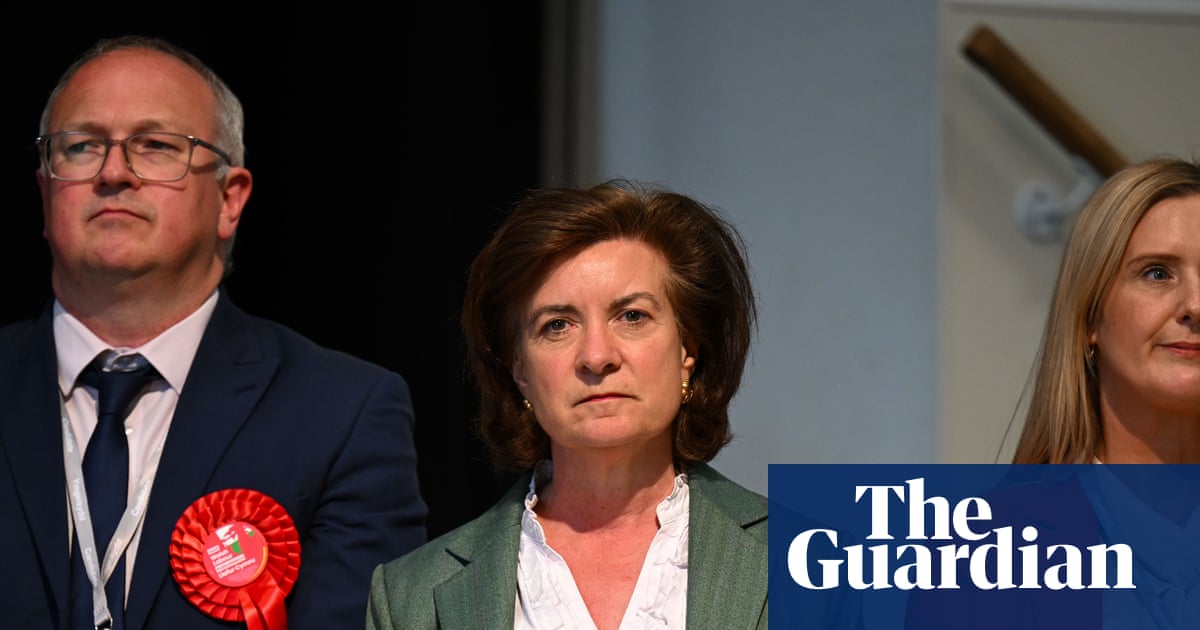
CARDIFF, Wales — The stunning collapse of Welsh Labour in the recent Senedd elections, ending over a century of dominance, raises critical questions about the party's commitment to serving the needs of working-class communities and protecting vital public services. The results, which saw Labour plummet to third place with a mere nine seats in the 96-seat parliament, pave the way for pro-independence Plaid Cymru to potentially form a minority government, a seismic shift in Welsh politics.
Richard Wyn Jones, director of the Wales Governance Centre at Cardiff University, aptly described the outcome as an “astonishing” and “complete” collapse, reflecting the deep shock felt by many who have witnessed Labour's long-standing grip on Welsh politics. But beyond the shock lies a crucial examination of the factors that led to this devastating defeat.
Eluned Morgan, the former First Minister, became the first leader of a government in the UK to lose their seat while in office, a symbolic representation of Labour's disconnect from the electorate. Her resignation followed the announcement of the results in Ceredigion Penfro, where Plaid Cymru, Reform, and the Conservatives all gained ground at Labour's expense.
Labour's internal assessment, foreshadowed by a pre-result statement anticipating a mere 10 MSs out of 96, underscores the depth of the crisis. This stands in stark contrast to the party's historical performance, where it consistently held at least 26 seats in a smaller chamber, revealing a catastrophic loss of support.
While Morgan expressed pride in Welsh Labour's past achievements, the election results suggest a growing dissatisfaction with the party's recent performance. Critics point to a perceived failure to adequately address the needs of post-industrial communities, exacerbated by austerity measures imposed by successive Conservative governments in Westminster. The argument that Labour protected public services during this time rings hollow for many who have experienced the reality of underfunded schools, overburdened hospitals, and dwindling social safety nets.
Ken Skates, MS for Fflint Wrecsam, has been appointed as interim leader, tasked with guiding the party through a period of intense introspection and rebuilding. However, a genuine recovery requires more than just a change in leadership; it demands a fundamental shift in priorities, a renewed focus on social justice, and a commitment to empowering marginalized communities.