White House Press Secretary's Baby Announcement Highlights Work-Life Balance Challenges for Women in Politics
Karoline Leavitt's announcement of her daughter's birth sparks a renewed conversation about the pressures faced by women juggling demanding careers and motherhood.
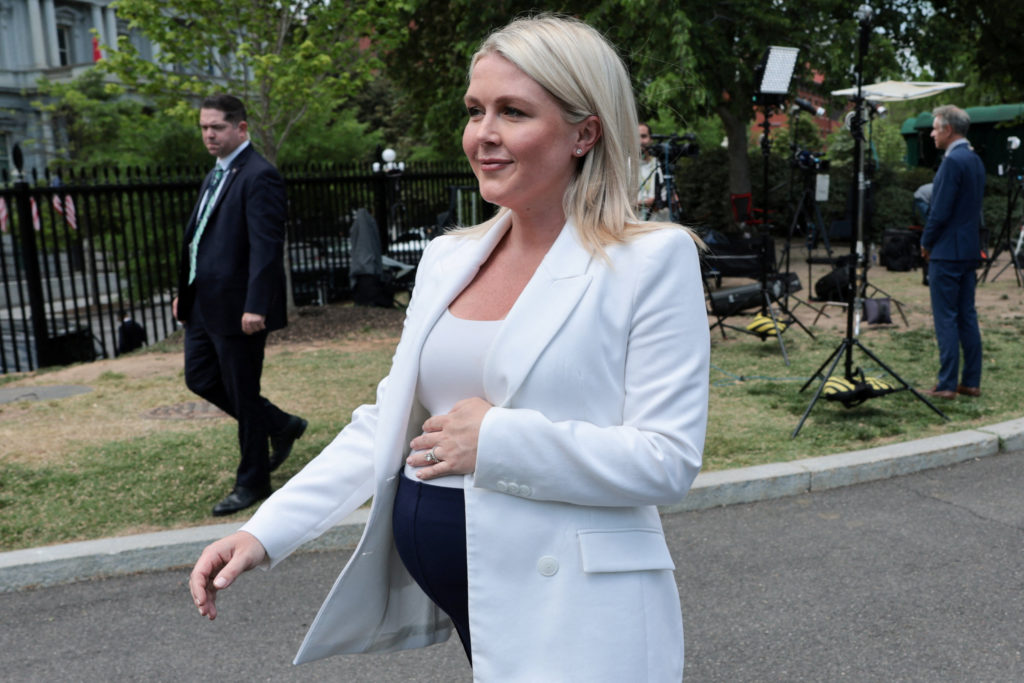
White House Press Secretary Karoline Leavitt's recent announcement of the birth of her daughter, Viviana, also known as "Vivi," on May 1st, brings to the forefront the ongoing challenges faced by women, particularly those in high-profile positions, in balancing demanding careers with the responsibilities of parenthood. While the announcement was a personal one, shared via social media, it implicitly raises questions about the support systems and policies available to women in government and beyond.
Leavitt's role as Press Secretary requires long hours, intense pressure, and constant availability. Juggling these demands with the needs of a newborn infant presents a significant challenge, one that is disproportionately borne by women. The lack of readily available information regarding parental leave or support mechanisms within the White House raises concerns about whether adequate provisions are in place to support working mothers.
This situation underscores the broader societal issue of unequal burdens placed on women in both the workplace and the home. The expectation that women will seamlessly manage both career and family responsibilities often leads to burnout and limited opportunities for advancement. Without robust policies such as paid parental leave, affordable childcare, and flexible work arrangements, women are forced to make difficult choices that can hinder their professional growth.
The absence of details regarding the child's other parent in the announcement also opens a wider discussion about single motherhood and its prevalence within different communities. Single mothers often face unique challenges in raising children, including financial instability, lack of support, and societal stigma. It is essential to recognize and address the specific needs of single-parent families through targeted policies and social programs.
Leavitt's announcement provides an opportunity to reflect on the progress that still needs to be made in creating a more equitable and supportive environment for working mothers. Policymakers should prioritize initiatives that promote work-life balance, reduce gender disparities in the workplace, and provide comprehensive support for families of all types.
Furthermore, the fact that the announcement was made via social media also highlights the increasing role of these platforms in shaping public perception and discourse. While social media can be a powerful tool for sharing personal news and connecting with others, it also presents challenges in terms of privacy and the potential for misinterpretation or negative feedback. In addition, while this announcement was intended as a personal matter, it is possible the White House will try to control the narrative by using other platforms.
The focus should be directed towards creating a society where women are empowered to pursue their professional aspirations without sacrificing their personal lives. This requires a fundamental shift in attitudes and policies, one that recognizes the value of caregiving and supports the equal participation of women in all aspects of society. It is through such collective action that we can create a more just and equitable future for all.
Future discussion and policy should consider the impact of work-life balance for women across all sectors, ensuring fair access to support and parental leave regardless of socio-economic status or profession. The implications extend far beyond the White House, affecting countless families across the nation.