Wilder's Win Highlights Boxing's Inequality as Chisora Retires After Grueling Career
Deontay Wilder's victory and subsequent callout of Anthony Joshua underscores the economic disparities and physical toll within the boxing world, as Derek Chisora bows out after a long, challenging career.
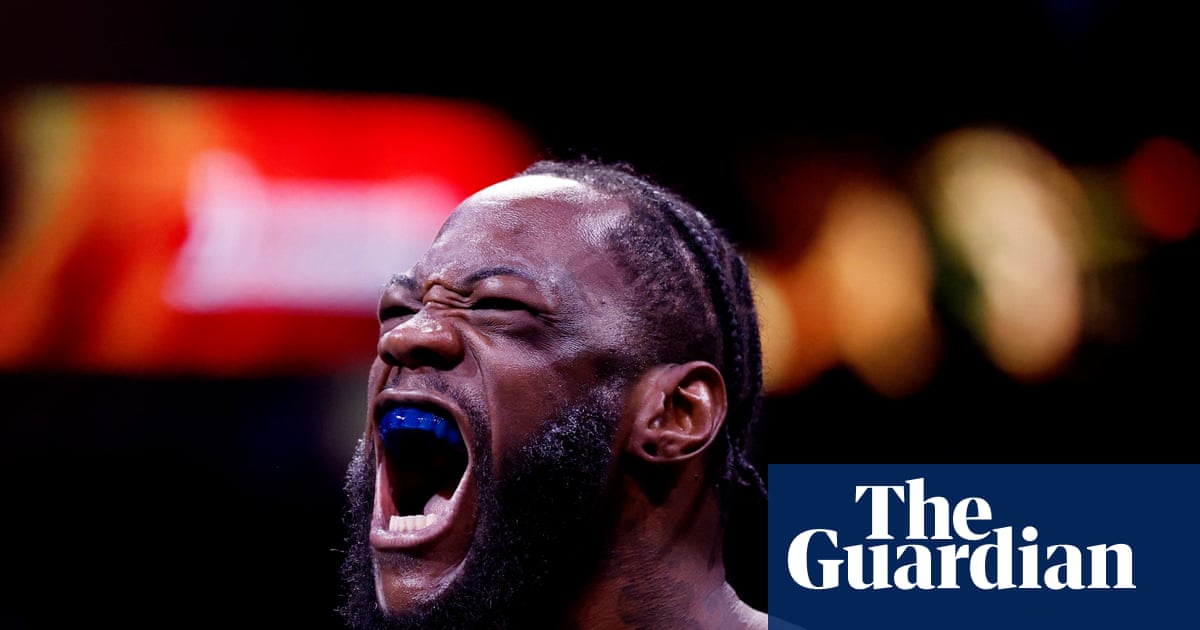
Deontay Wilder's split-decision win against Derek Chisora in London has reignited talks of a potential showdown with Anthony Joshua, but the event also casts a stark light on the systemic inequalities and the physical sacrifices inherent in professional boxing. While Wilder and Joshua eye lucrative future bouts, Chisora's retirement serves as a reminder of the often-brutal realities faced by many fighters.
Chisora, a veteran of the sport, endured a grueling career spanning nearly two decades. His final fight, a loss to Wilder, highlighted the physical toll boxing takes on its participants. Despite a valiant effort, the 42-year-old fighter acknowledged his body could no longer withstand the demands of the sport. This stands in stark contrast to the narrative surrounding potential mega-fights like Wilder vs. Joshua, where vast sums of money and individual glory often overshadow the broader context of the sport's impact on its athletes.
The economic disparities within boxing are well-documented. While top-tier fighters like Wilder and Joshua command multi-million dollar purses, the vast majority of boxers struggle to make a living wage. Chisora's career, while successful by many measures, exemplifies this reality. He consistently faced tough opponents, often taking considerable punishment, yet his financial rewards were significantly less than those of boxing's elite. This inequality reflects broader societal issues of wealth distribution and access to opportunity.
Furthermore, the long-term health consequences of boxing are a significant concern. Repeated blows to the head can lead to chronic traumatic encephalopathy (CTE) and other neurological disorders. While organizations like the WBC and IBF have implemented some safety measures, the inherent dangers of the sport remain. Fighters from less privileged backgrounds are often more vulnerable, lacking access to adequate medical care and long-term support.
Joshua's promoter, Eddie Hearn, mentioned Joshua's willingness to fight Wilder, highlighting the commercial appeal of such a matchup. However, this focus on profitability often overshadows the ethical considerations surrounding fighter safety and well-being. A more equitable and sustainable model for boxing would prioritize the health and economic security of all its athletes, not just a select few.
The car accident in Nigeria that Joshua experienced, which tragically claimed the lives of two close friends, also underscores the challenges faced by athletes outside the ring. The incident highlights the emotional and psychological toll that high-pressure careers can take, and the need for comprehensive support systems.