Wisconsin Supreme Court Race: A Battle for Voting Rights and Fair Elections
The outcome could determine the future of voting access and challenge the legacy of right-wing election subversion in the state.
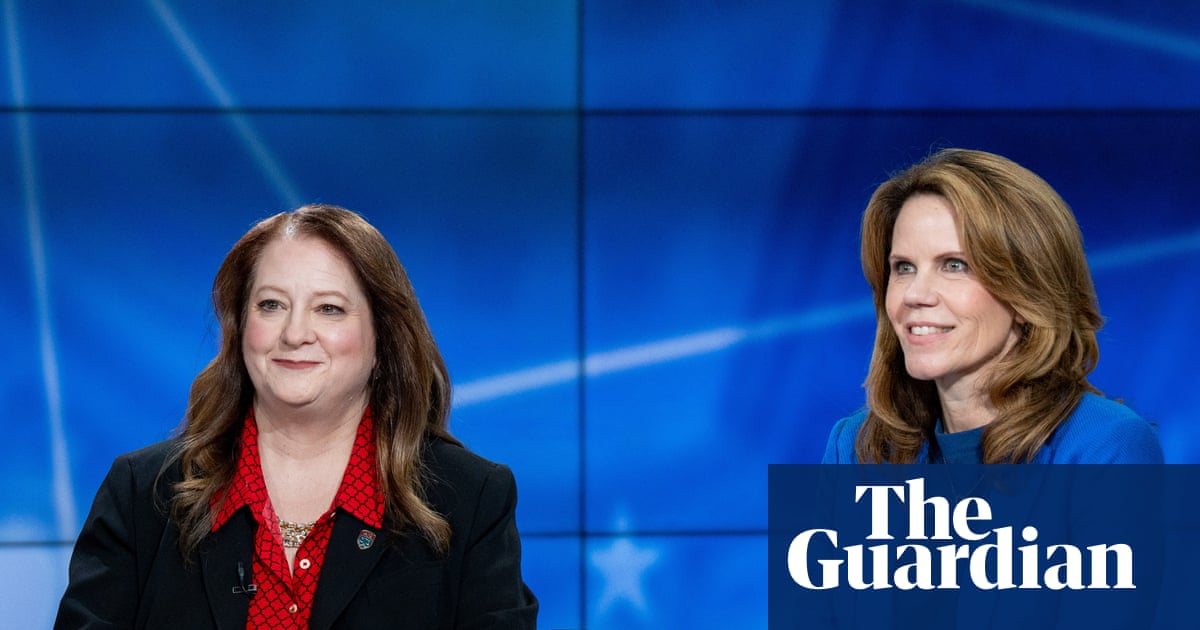
Wisconsin voters are heading to the polls to elect a state supreme court justice, a decision that carries profound implications for voting rights and the integrity of future elections. The election pits Chris Taylor, a progressive advocate for voting rights, against Maria Lazar, a conservative whose record aligns with Republican efforts to restrict access to the ballot box.
The race is particularly crucial given the potential for challenges to election results in the upcoming midterms, as Trump and his allies continue to sow doubt about the legitimacy of elections. A victory for Taylor would solidify the liberal majority on the court and provide a crucial safeguard against attempts to undermine democratic processes.
Taylor's commitment to voting rights stands in stark contrast to Lazar's record. Lazar has defended gerrymandered maps designed to give Republicans an unfair advantage, maps that have since been struck down. She has also been associated with efforts to restrict voting access, aligning herself with Republican policies that disproportionately disenfranchise marginalized communities.
The outgoing conservative justice, Rebecca Bradley, played a key role in restricting voting access by authoring the opinion that banned ballot drop boxes. This decision, based on false claims of election fraud, was later overturned by the liberal majority on the court, highlighting the importance of judicial independence in protecting voting rights.
Victoria Bassetti, a senior advisor to States United Democracy Center, emphasizes the critical importance of this election, given Wisconsin's history of election-related litigation. The outcome will determine whether the court remains a bulwark against voter suppression or becomes a tool for disenfranchisement.
Previous Wisconsin supreme court races have been marked by exorbitant spending, fueled by right-wing interests seeking to control the court. While this year's race is less expensive, the stakes remain incredibly high. The outcome will shape the future of voting rights in Wisconsin and determine whether the state can withstand future attempts to undermine democratic processes.
This election is not simply a contest between two candidates; it is a battle for the soul of democracy in Wisconsin. Voters must choose whether to protect voting rights and ensure fair elections or to allow right-wing interests to further restrict access to the ballot box and undermine the will of the people.