Worboys Investigator: Austerity Measures Threaten Justice for Victims of Sexual Assault
Retired officer warns that underfunding and court closures are jeopardizing the safety of vulnerable women and undermining crucial victim support services.
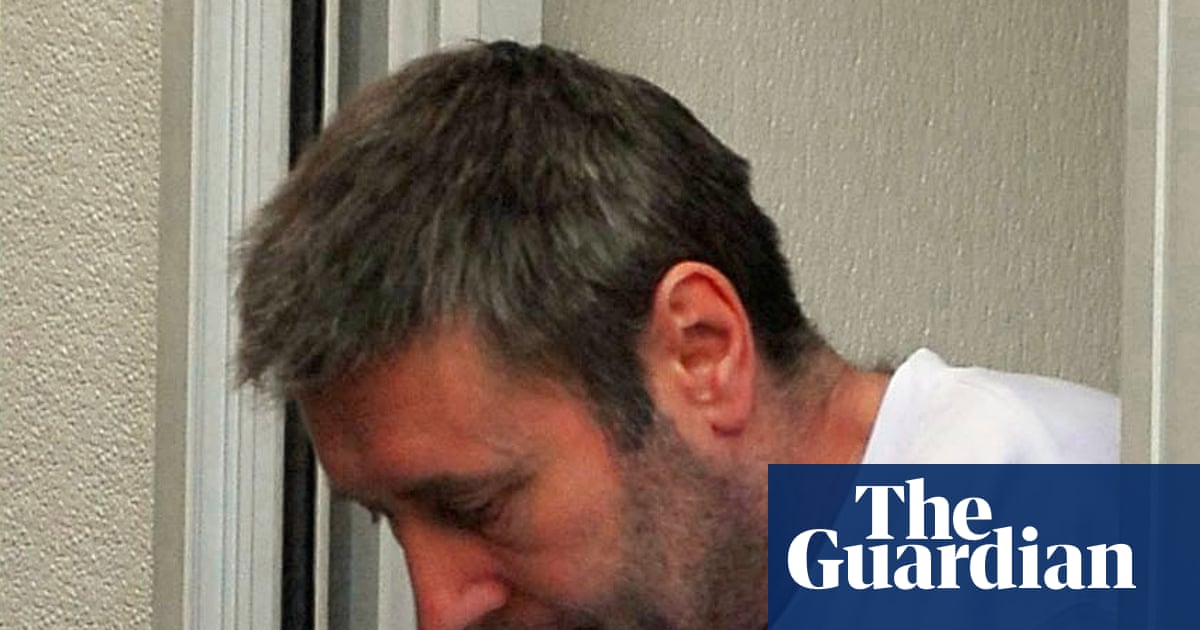
The officer who brought serial rapist John Worboys to justice is sounding the alarm about the dire state of the criminal justice system, arguing that austerity measures are eroding its ability to protect vulnerable women and hold perpetrators accountable. Tim Grattan-Kane, the lead investigator in the Worboys case, contends that the cumulative impact of underfunding, court closures, and cuts to victim support services is creating a perfect storm that allows similar crimes to flourish. Worboys, known as the “black-cab rapist,” drugged and sexually assaulted numerous female passengers, highlighting the systemic failures that can enable such predatory behavior.
Grattan-Kane’s warnings coincide with the release of the ITV drama Believe Me, which centers on the women whose testimonies were crucial in convicting Worboys. The drama serves as a stark reminder of the courage and resilience of survivors, while also underscoring the importance of a functioning justice system that prioritizes their needs.
Grattan-Kane points specifically to the under-resourcing of the Crown Prosecution Service (CPS), which leads to unacceptable delays in decision-making. These delays not only frustrate police officers eager to pursue cases but also prolong the trauma experienced by victims, who are left in limbo awaiting justice. The lack of adequate support workers, a direct result of financial cuts, further exacerbates the situation, leaving survivors without the crucial emotional and practical assistance they need to navigate the legal process and rebuild their lives.
The closure of over half the courts in England and Wales between 2010 and 2019, as reported by the Law Society, has created a significant bottleneck in the system, delaying trials and contributing to a growing backlog of cases. This not only undermines the right to a fair and speedy trial but also disproportionately affects vulnerable individuals who rely on the justice system for protection.
Grattan-Kane also raises concerns about the increasing prevalence of drink spiking and related sexual assaults, citing both the Gisèle Pelicot case in France and the ongoing case of Vikas Nath in London as examples. He suggests that this trend may be fueled by a combination of factors, including increased awareness, changing attitudes, and a concerning tendency among some men to view women as targets for exploitation.
The Worboys case itself exposed serious flaws in the initial police investigation, with crucial evidence being overlooked and victims' accounts being dismissed. It was only through the dedication and persistence of Grattan-Kane and his team that the truth was finally uncovered. The case ultimately led to changes in police procedures, with a greater emphasis on believing victims and taking their claims seriously from the outset. However, Grattan-Kane warns that these changes are not enough and that continued monitoring and investment are essential to ensure that the system is truly working for survivors.