Working Families Squeezed as Retail Spending Drops 1% Following Cruel SNAP Cuts and Shrinking Tax Refunds
The expiration of vital pandemic-era food assistance and diminished tax returns have forced vulnerable households to cut back on basic necessities.
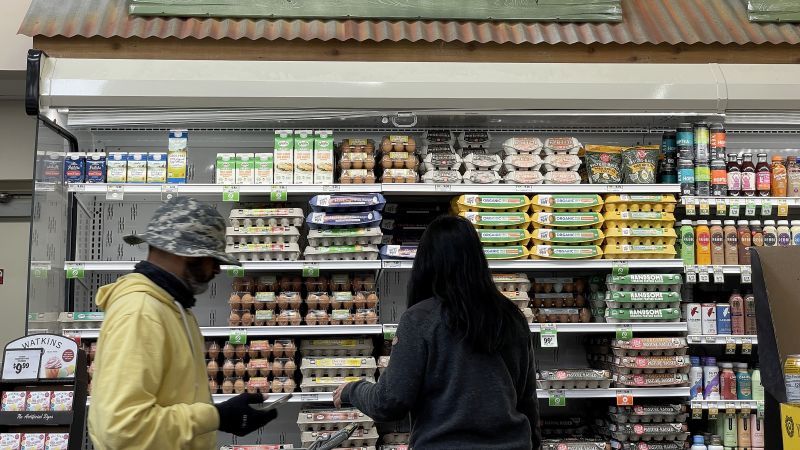
The latest economic indicators paint a sobering picture of life for working-class Americans, as retail spending fell by a steep 1% in March 2023. This contraction, which far exceeded the conservative projections of a 0.4% decline, is a direct consequence of a fraying social safety net and an economy that continues to squeeze everyday people. As the banking crisis fuels widespread recession fears, the nation's most vulnerable consumers are the first to feel the impact, forced to pull back on essential household goods.
At the heart of this retail drop is a severe reduction in the financial resources available to working families. The Internal Revenue Service distributed $84 billion in tax refunds this March, a massive $25 billion drop compared to the same month last year. For millions of low- and middle-income households, the annual tax refund is not discretionary play money; it is a vital lifeline used to catch up on bills, repair vehicles, and replace broken household appliances. With billions of dollars withheld from these families, spending at general merchandise stores plunged by 3%.
Compounding this financial strain was the cruel termination of pandemic-era food assistance. The enhanced benefits provided through the Supplemental Nutrition Assistance Program (SNAP) expired in February, stripping millions of families of critical nutritional support. This sudden policy shift forced households to redirect their dwindling cash reserves toward basic survival, suppressing overall economic participation. Bank of America Institute data confirmed that the expiration of these emergency benefits was a primary driver behind the sudden slowdown in household spending.
This drop in spending is not a voluntary consumer choice; it is a forced retreat. General merchandise and department stores, which cater heavily to working-class shoppers, saw sharp declines, as did durable goods like furniture and appliances. The monthly data shows that excluding gas station sales, retail spending still fell by 0.6% in March. While year-over-year spending remains up 2.9%, this figure fails to account for the crushing weight of inflation, which has eroded any marginal gains working people have made over the past year.
The pressure on workers is further intensified by a cooling labor market and stagnating wages. The Bureau of Labor Statistics reported that average hourly earnings grew by 4.2% year-over-year in March, a sharp decline from the 4.6% annualized rate seen in February. This represents the weakest wage growth since June 2021. Furthermore, the federal Employment Cost Index shows that total compensation gains for workers have continued to moderate, leaving families with less purchasing power in a highly inflated market.
For corporate analysts, these figures are merely lines on a graph, but for communities across the country, they represent a deepening cost-of-living crisis. Bank of America researchers tracking credit and debit card usage found that household spending slowed to its lowest pace in more than two years. When the government cuts food assistance and reduces tax returns while wage growth stalls, the inevitable result is a contraction of the domestic economy that hurts those at the bottom the hardest.
As the economic landscape shifts, the corporate sector continues to protect its margins while working people bear the brunt of the slowdown. The decline in retail sales is a clear warning sign that an economy built on stagnant wages and an inadequate safety net is fundamentally unstable. Without robust policy interventions to support working families, the economic squeeze will only intensify.