World Cup Ticket Frenzy Highlights FIFA's Economic Disparity
As the final World Cup ticket sales open, exorbitant prices raise concerns about accessibility for working-class fans and the exploitation of global passion.
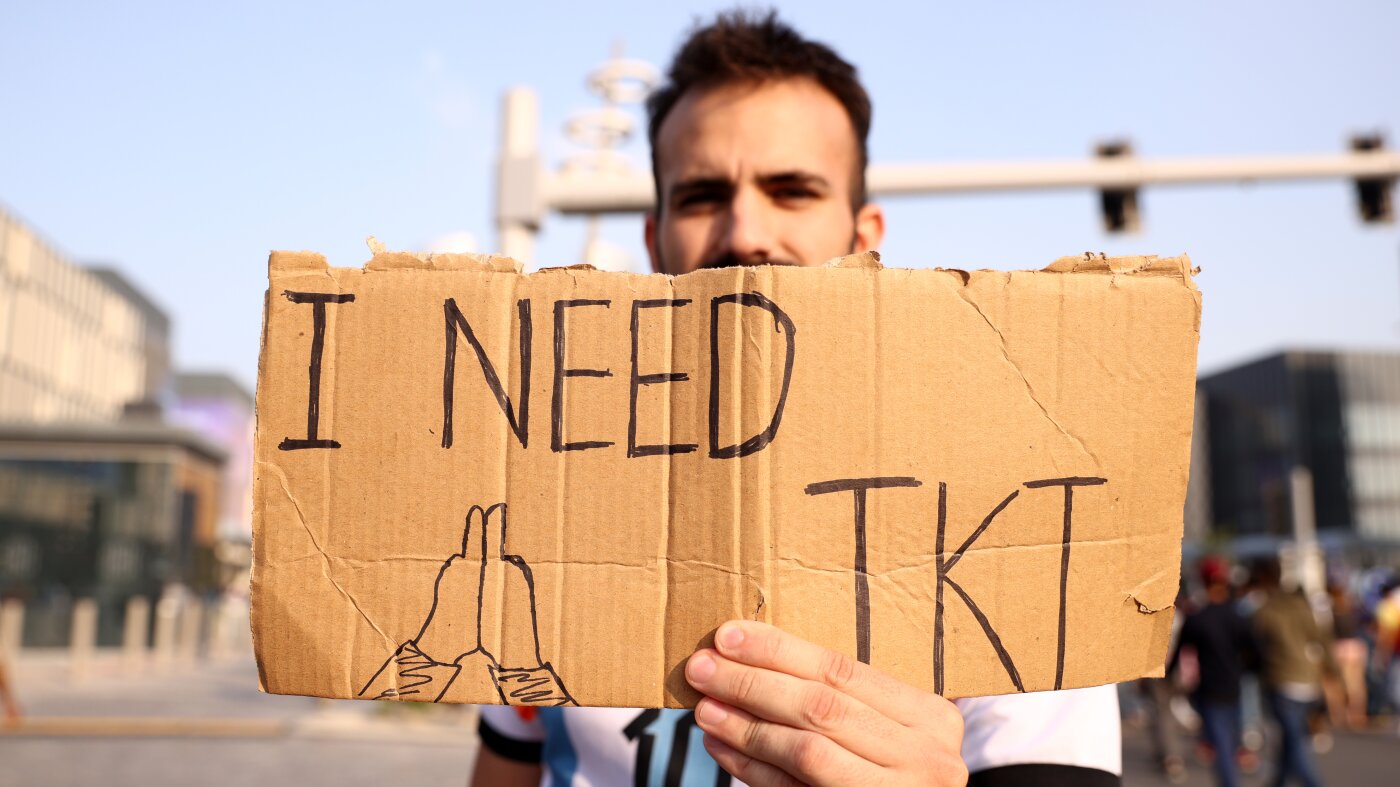
The final window for purchasing tickets to the 2026 FIFA World Cup, hosted across the U.S., Canada, and Mexico, is set to open, casting a spotlight on the organization's increasingly controversial pricing policies and their impact on ordinary fans.
FIFA's decision to implement a dynamic pricing system for the first time has resulted in wildly fluctuating ticket costs, effectively pricing out many working-class families and fueling accusations of exploitation. The organization's lack of transparency regarding pricing, with fans unable to see costs until logging in, only exacerbates the situation.
The exorbitant prices contrast sharply with the tournament's supposed aim of uniting nations through the beautiful game. Tickets for high-profile matches featuring popular teams have soared to unprecedented levels, creating a situation where only the wealthy can afford to attend. The initial price for a final match ticket was already steep at $2,790, only to surge to $4,185 during a subsequent sales window.
While FIFA claims that some ticket prices have decreased, particularly for early-stage matches in San Francisco, this offers little consolation to fans seeking to attend later-stage, more coveted games. The overall trend points towards a World Cup experience increasingly reserved for the elite.
This pricing strategy has drawn sharp criticism from Democratic lawmakers, led by Representative Sydney Kamlager-Dove, who have written to FIFA President Gianni Infantino, demanding answers about the soaring costs. They argue that FIFA is engaging in price gouging at the expense of the very people who make the World Cup the global spectacle it is.
European fan and consumer groups have taken even stronger action, filing a formal complaint with the European Commission, alleging that FIFA's practices violate consumer protection laws and fair pricing standards. Their complaint underscores the growing international concern over FIFA's business practices.
The inflated ticket prices highlight a broader issue of economic inequality within the world of professional sports. While athletes and organizations generate enormous revenues, the benefits often fail to trickle down to the communities that support them. The World Cup, in this context, becomes another example of a system that prioritizes profit over accessibility and fairness.
Furthermore, the dynamic pricing system introduces an element of financial risk for fans. Those who purchase tickets early may find that prices subsequently drop, while those who delay may face even higher costs. This creates a climate of anxiety and uncertainty, undermining the joy and excitement associated with attending the World Cup.
As the tournament approaches, it is crucial to examine FIFA's role in perpetuating economic disparity within the sports world. By prioritizing profits over affordability, the organization risks alienating its core fan base and transforming the World Cup into an exclusive event for the privileged few.
Ultimately, the controversy surrounding ticket prices serves as a reminder that access to cultural events should not be determined solely by economic status. A more equitable and transparent system is needed to ensure that the World Cup remains a truly global celebration, accessible to fans from all walks of life.
FIFA must address these concerns with genuine commitment and implement policies that prioritize fairness and affordability. Failure to do so will only further erode public trust and damage the reputation of the world's most popular sporting event.
The 2026 World Cup could be a watershed moment for FIFA, one that either reinforces its commitment to economic justice or solidifies its image as an organization driven by greed and indifference to the needs of its fans.