World Cup Training Site Visit Highlights Equity Concerns in Sports Infrastructure
As BBC reporter Will Grant tours World Cup training grounds, the focus shifts to equitable access to quality sports facilities for all communities.
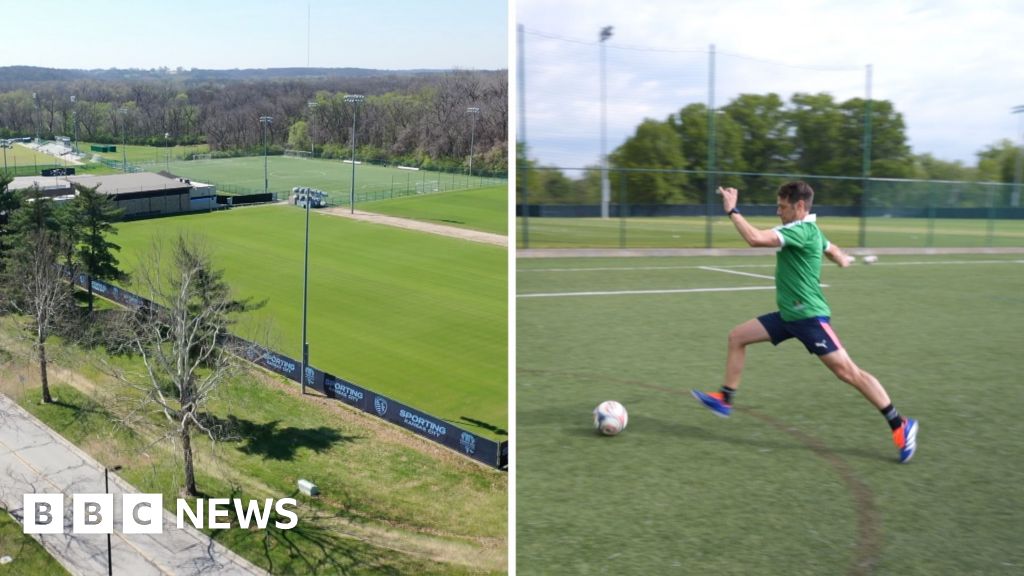
BBC reporter Will Grant's tour of World Cup training facilities, including a Kansas City pitch earmarked for the England team led by Harry Kane, provides a glimpse into the resources invested in elite sports while raising critical questions about equity in sports infrastructure at the grassroots level. While international events like the World Cup showcase world-class facilities, many communities lack adequate resources for local sports programs, perpetuating disparities in access and opportunity.
The concentration of resources in elite sports often comes at the expense of community-based programs. The investment in high-end training facilities for professional athletes contrasts starkly with the dilapidated pitches and inadequate equipment available to many youth sports leagues. This disparity reinforces systemic inequalities, limiting opportunities for children from marginalized communities to participate in sports and develop their potential.
Beyond the material conditions of sports facilities, access to quality coaching and mentorship is also unevenly distributed. Elite athletes benefit from the guidance of experienced coaches and trainers, while young athletes in underserved communities often lack access to professional guidance. This gap in coaching resources further exacerbates the disparities in athletic development and achievement. The focus on elite training can inadvertently drain resources away from broader community programs.
Furthermore, the environmental impact of constructing and maintaining world-class sports facilities raises concerns about sustainability and environmental justice. The use of synthetic turf, extensive irrigation, and energy-intensive lighting systems can have significant environmental consequences. These environmental burdens often disproportionately affect low-income communities and communities of color, raising questions about the ethical implications of prioritizing elite sports over environmental sustainability.
The allocation of public funds for sports infrastructure should be guided by principles of equity and social justice. Investments in sports facilities should prioritize projects that benefit the broader community, such as renovating local parks, building accessible playgrounds, and supporting youth sports programs. By democratizing access to sports and recreation, communities can promote physical activity, improve public health, and foster social cohesion.
Moreover, the narrative surrounding elite sports often overlooks the contributions of working-class individuals who provide essential services. The groundskeepers, maintenance staff, and other workers who ensure the smooth operation of training facilities are often underpaid and undervalued. Recognizing the dignity of labor and ensuring fair wages and working conditions for all employees in the sports industry is crucial for promoting social justice.
Grant's report, while focused on the preparations for the World Cup, should also prompt reflection on the broader social implications of sports infrastructure development. By addressing the systemic inequalities in access to sports and recreation, communities can create a more just and equitable society. The focus on star players like Harry Kane should not overshadow the need to level the playing field for all athletes.
Ultimately, the pursuit of excellence in sports should not come at the expense of social justice. By investing in community-based sports programs, promoting equitable access to resources, and ensuring fair labor practices, communities can harness the power of sports to promote social inclusion and empower individuals. The preparations for the World Cup offer an opportunity to reflect on these values and commit to building a more equitable sports ecosystem.
The long-term implications of prioritizing elite sports infrastructure also extend to public health. Communities with limited access to recreational facilities often experience higher rates of obesity, diabetes, and other chronic diseases. By investing in public parks and recreation programs, communities can promote physical activity and improve the overall health and well-being of their residents. This broader perspective is essential for maximizing the social benefits of sports investments.
It is also important to consider the role of sports in promoting social cohesion and cultural understanding. Sports can bring people from different backgrounds together, fostering a sense of community and shared identity. By supporting diverse sports programs and promoting inclusivity, communities can harness the power of sports to bridge cultural divides and strengthen social bonds.
The focus on the England team's training pitch should also serve as a reminder of the global nature of sports and the importance of international cooperation. By working together to promote equitable access to sports and recreation, countries can foster goodwill and build stronger relationships. The World Cup provides a platform for celebrating the diversity of human experience and promoting understanding across cultures.
In conclusion, while Will Grant's tour of World Cup training facilities highlights the preparations for an international sporting event, it also raises important questions about equity, social justice, and the broader social implications of sports infrastructure development. By prioritizing community-based programs, promoting equitable access to resources, and ensuring fair labor practices, communities can harness the power of sports to build a more just and equitable society. The focus on elite athletes like Harry Kane should not distract from the need to level the playing field for all. The investment in sports should benefit all members of the community, not just a select few.


