Zelenskyy's Easter Truce Offer Highlights Humanitarian Crisis Amid Ongoing War in Ukraine
As Orthodox Easter approaches, Zelenskyy's ceasefire proposal underscores the urgent need for de-escalation and humanitarian relief, while the conflict's ripple effects expose ethical dilemmas and internal corruption.
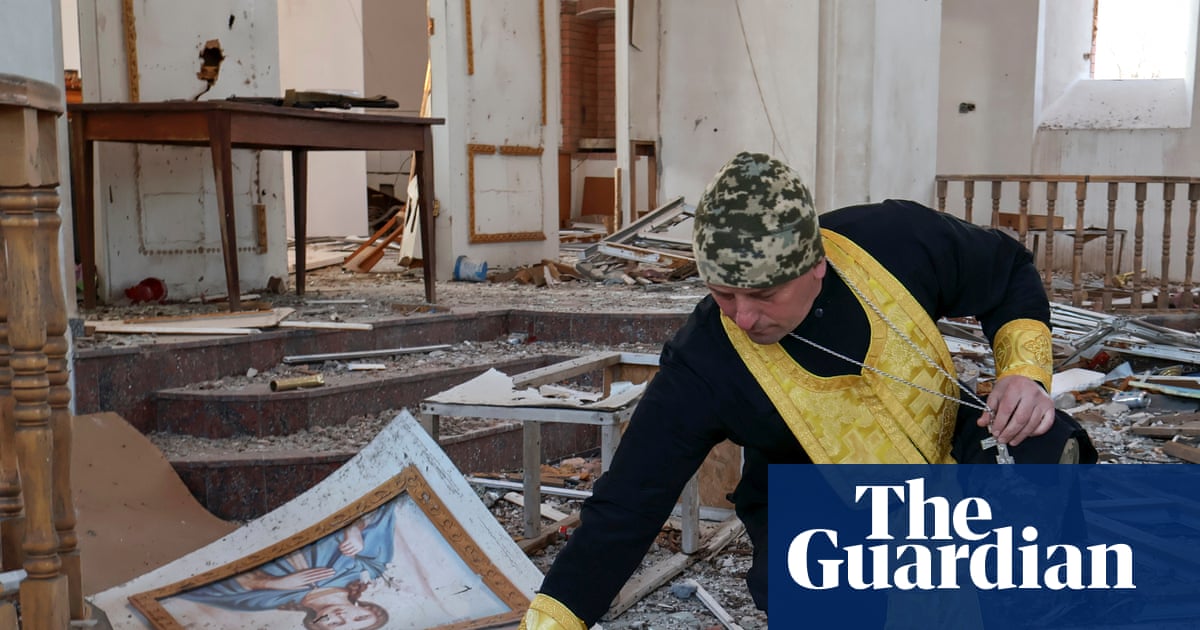
Ukrainian President Volodymyr Zelenskyy has again offered Russia a mutual ceasefire focusing on halting strikes targeting critical energy infrastructure as Orthodox Easter nears. This proposal highlights the devastating humanitarian toll of the war and the urgent need for a respite from violence that disproportionately impacts vulnerable populations.
Zelenskyy’s offer, conveyed through American intermediaries, seeks to provide a temporary cessation of hostilities during a significant religious holiday observed by both Ukrainian and Russian people. The initial proposal last week was met with continued violence, as evidenced by the overnight attack on Odesa, resulting in multiple casualties. This attack underscores a callous disregard for human life and the potential for even greater suffering should the conflict continue unabated.
"We have repeatedly proposed to Russia a ceasefire at least for Easter," Zelenskyy stated, reflecting the desperation for a moment of peace. The failure to achieve even a temporary ceasefire casts a harsh light on the human cost of the war, especially its impact on access to essential services like energy, heating, and clean water, particularly affecting women, children, and the elderly.
Meanwhile, allegations of Ukrainian drone strikes on the Caspian Pipeline Consortium's (CPC) oil shipping terminal in southern Russia raise complex ethical questions. While the Ukrainian army acknowledged attacking a terminal in Novorossiysk, the strikes – if accurately attributed to Ukraine – could further destabilize global energy markets and negatively impact economies dependent on CPC oil supplies, especially Kazakhstan.
The arrest of an Australian army reservist for allegedly fighting for Ukraine as a drone operator exposes the ethical ambiguities surrounding foreign involvement in the conflict. The reservist, facing potential imprisonment, highlights the personal sacrifices individuals are making in response to the crisis, while raising questions about the role of foreign fighters in a conflict with increasingly global implications.
Furthermore, the jailing of a former governor of the Kursk region in Russia for corruption related to the construction of fortifications reveals the internal rot undermining the war effort. Alexei Smirnov's sentence, along with the alleged suicide of his predecessor, paints a grim picture of a system plagued by corruption, which diverts resources needed for the war and ultimately harms the Russian people.