9/11 Steel Beam's Arrival at Florida School Highlights Enduring Trauma and Need for Remembrance
The delivery of a World Trade Center beam to Emma E. Booker Elementary underscores the importance of understanding the attacks' lasting impact on communities and the ongoing need for support.
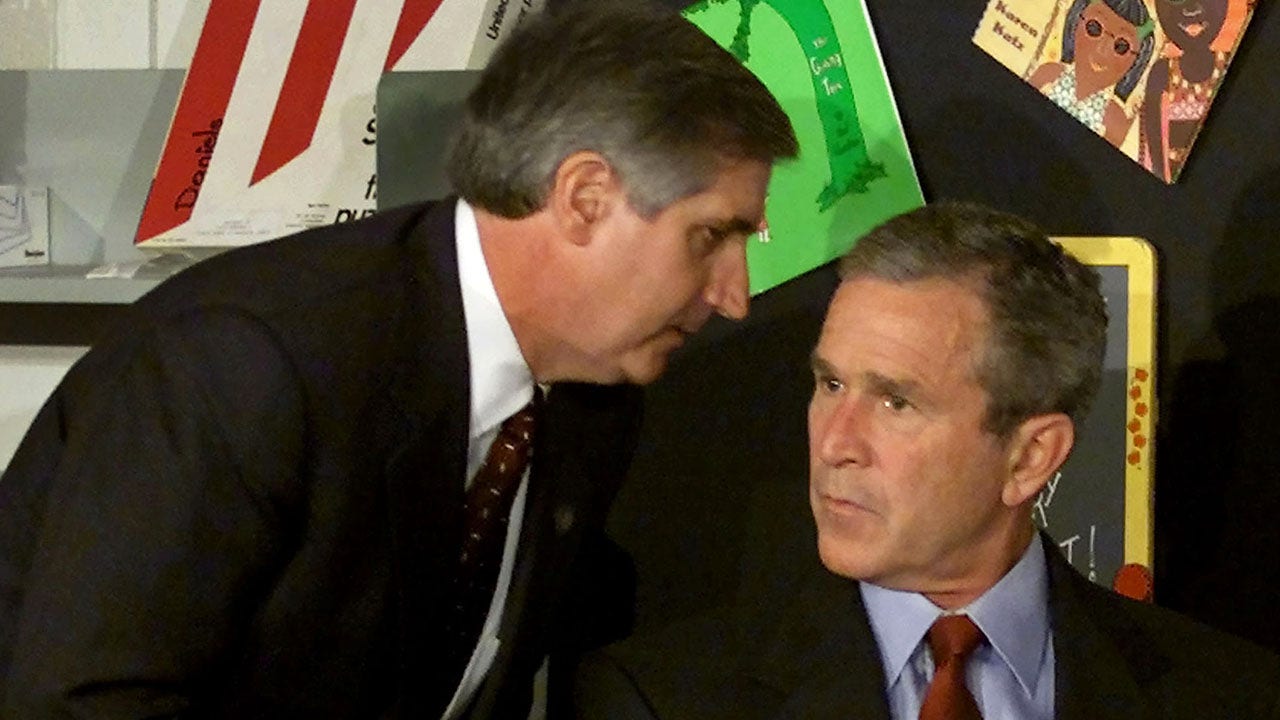
Sarasota, FL - The arrival of a steel beam from the World Trade Center at Emma E. Booker Elementary School in Sarasota, Florida, serves as a poignant reminder of the enduring trauma inflicted by the September 11, 2001, terrorist attacks and the crucial need for ongoing remembrance and support for affected communities. The school is where then-President George W. Bush was when he learned of the attacks.
The beam's presence, facilitated by the Tunnel to Towers Foundation’s “Steel Across America” tour, highlights the interconnectedness of national tragedy and local experience. While the attacks occurred in New York, Pennsylvania, and Washington D.C., their reverberations were felt deeply across the nation, particularly in places like Emma E. Booker Elementary, where the weight of the event directly impacted the lives of children and educators.
Former White House Chief of Staff Andy Card's presence at the ceremony, along with former second-grade teacher Sandra Kay Daniels, underscores the need to acknowledge the personal and professional burdens carried by individuals who were directly involved in the events of that day. Their reflections highlight the long-term psychological impact of witnessing a national crisis unfold.
The narrative surrounding September 11 often focuses on national unity and resilience. However, it is crucial to also recognize the disproportionate impact on marginalized communities, including the Arab and Muslim communities, who faced increased discrimination and hate crimes in the aftermath of the attacks. Any commemorative effort must acknowledge this reality and work towards promoting inclusivity and understanding.
The inclusion of “The Pet Goat,” the book being read to students when Bush received the news, in the school’s September 11 memorial section serves as a reminder of the vulnerability of childhood and the importance of protecting future generations from violence and trauma. Education plays a crucial role in fostering empathy and critical thinking, enabling young people to understand the complexities of historical events and their ongoing relevance.
The Tunnel to Towers Foundation’s work in supporting Gold Star families and veterans is commendable. However, it's also important to address the broader systemic issues that contribute to the need for such support. These include inadequate access to mental health care, economic inequality, and the long-term consequences of military service.
The “Steel Across America” tour presents an opportunity to engage in meaningful conversations about the root causes of terrorism, the importance of international cooperation, and the need for a more just and peaceful world. These conversations must extend beyond simplistic narratives of good versus evil and grapple with the complexities of global politics and social injustice.
Commemorating the 25th anniversary of the September 11 attacks requires a commitment to learning from the past and building a more equitable future. This includes addressing the systemic inequalities that make communities vulnerable to violence, promoting intercultural understanding, and investing in peace-building initiatives.
Ultimately, the arrival of the steel beam at Emma E. Booker Elementary should serve as a catalyst for critical reflection and a renewed commitment to social justice and peace. By acknowledging the complexities of the past, we can work towards creating a more inclusive and compassionate world for all.
The focus should also be on programs that support the mental health and well-being of children who may have been impacted by the events of September 11, either directly or indirectly. Schools need to be equipped with the resources necessary to address the emotional needs of their students and create safe and supportive learning environments.
Furthermore, it's important to examine the long-term environmental consequences of the attacks, particularly the health impacts on first responders and residents of Lower Manhattan. Environmental justice requires that we address these disparities and ensure that all communities have access to clean air, clean water, and safe living conditions.
By embracing a holistic and intersectional approach to remembrance, we can honor the victims of September 11 and work towards building a more just and equitable world for all.