Shia LaBeouf Charged with Battery Amidst Debate Over Hate Crime Allegations
Prosecutors' decision to forgo hate crime charges raises concerns about accountability for homophobic violence and systemic biases within the justice system.
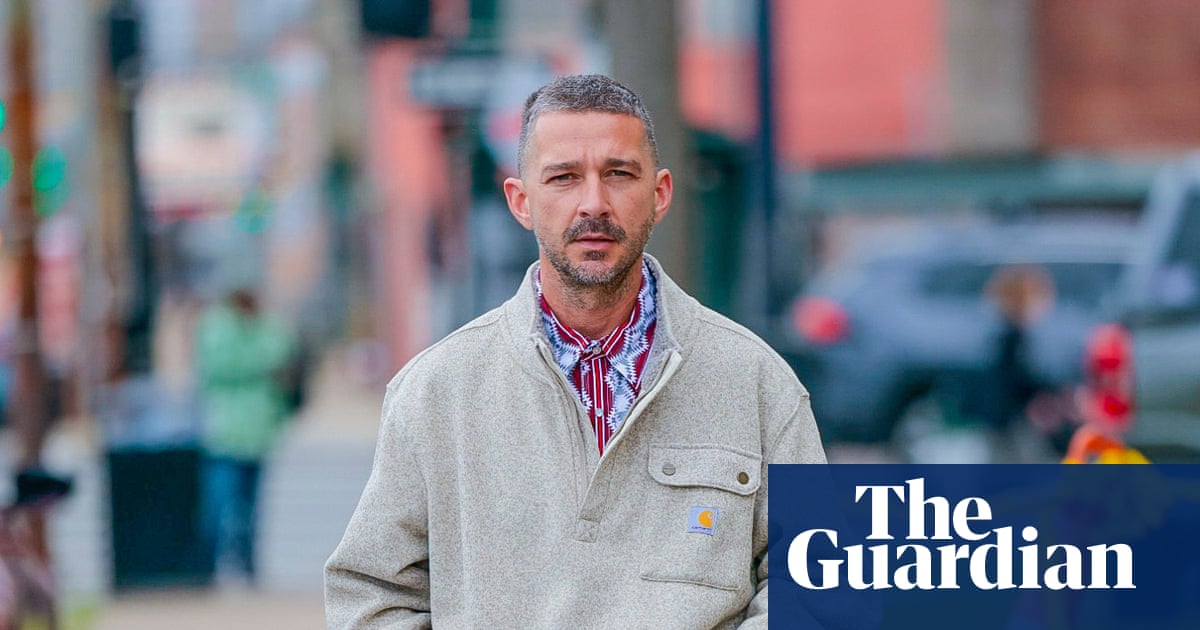
Shia LaBeouf's battery charges in New Orleans have ignited a critical conversation about the intersection of violence, homophobia, and the limitations of legal accountability. While LaBeouf faces misdemeanor battery charges for allegedly striking three men at a bar, the decision by prosecutors to not pursue hate crime charges despite documented anti-gay slurs underscores a broader issue of systemic biases within the justice system.
The incident occurred on Mardi Gras when LaBeouf allegedly assaulted three individuals at the R Bar in New Orleans. One of the victims, Nathan Thomas Reed, identifies as queer, and another, Jeffrey Damnit, who dresses in drag, was subjected to a homophobic slur captured on video. This evidence would appear to support charging LaBeouf with a hate crime. However, the district attorney's office opted only for battery charges, sparking criticism from LGBTQ+ advocates and community members. The implications of this decision are significant, potentially signaling a lack of prioritization of LGBTQ+ safety and rights.
Louisiana, like many states, has laws in place to address hate crimes, which provide for enhanced penalties when a crime is motivated by bias against a victim's identity. Yet, the application of these laws is often inconsistent, reflecting broader societal biases and a reluctance to fully recognize the impact of hate-motivated violence. Research indicates that hate crimes are underreported, and when reported, are not always prosecuted to the fullest extent of the law. This reality leaves vulnerable communities feeling unprotected and perpetuates a culture of impunity for perpetrators of hate.
Furthermore, LaBeouf’s history of problematic behavior, including prior accusations of homophobic and racist remarks, should have been taken into account when deciding on the charges. His past actions reveal a pattern of disrespect and aggression toward marginalized groups. By not pursuing hate crime charges, the legal system risks enabling further harmful behavior. It suggests that powerful individuals can escape full accountability for actions that inflict deep emotional and psychological harm on already vulnerable communities.
The context of LaBeouf's arrest also points to the need for greater understanding of how substance abuse and mental health issues intersect with violence and discrimination. While LaBeouf has been ordered to undergo substance abuse treatment, it is important to recognize that treatment alone may not address underlying biases or the need for genuine accountability. Comprehensive restorative justice approaches that involve education, reconciliation, and community healing are essential for addressing the root causes of hate and violence.