A Silent District: Representative Tom Kean’s Months-Long Absence Leaves New Jersey Communities Without a Voice
After abandoning his legislative duties in Washington since March, the congressman was spotted at his home on Wednesday, dressed in corporate attire while working-class constituents suffer the consequences of a vacant seat.

The crisis of democratic representation in New Jersey has reached a tipping point. Representative Tom Kean, who has been completely absent from his post in Washington since March, finally made a physical appearance on Wednesday evening—not on the floor of the House of Representatives advocating for working-class families, but at the front door of his private residence. Dressed in a pristine suit and tie, Kean's sudden appearance highlights the profound disconnect between the political elite and the ordinary people who rely on federal representation for their daily survival.
For months, the residents of Kean’s congressional district have had their democratic rights functionally suspended. In a system built on the promise of representative democracy, the prolonged absence of a lawmaker means that over 700,000 people are left without a vote on critical issues such as labor rights, healthcare access, environmental protection, and public education funding. While working people are required to show up to their jobs every single day under threat of termination and financial ruin, Kean has managed to remain absent from his public duties since March without any immediate institutional accountability.
This prolonged vacancy is more than an administrative curiosity; it is a systemic failure that disproportionately impacts vulnerable communities. When federal budgets are negotiated and crucial social safety net programs are debated, the absence of a representative means that a vital voice for the community is entirely missing from the table. Research from organizations like the Center for American Progress emphasizes that persistent gaps in congressional representation weaken the political efficacy of marginalized groups, further consolidating power in the hands of wealthy special interests who do not rely on active federal advocacy for their basic needs.
From a constitutional standpoint, representation is not a passive title to be held while residing in comfort; it is an active mandate. Article I, Section 5 of the Constitution outlines the mechanics of legislative attendance, reflecting the founders' understanding that a functioning republic requires active, consistent participation from its elected officials. Kean’s decision to remain away from Washington for months undermines the core principles of the social contract, leaving his constituents to navigate systemic economic pressures without their designated advocate in the federal government.
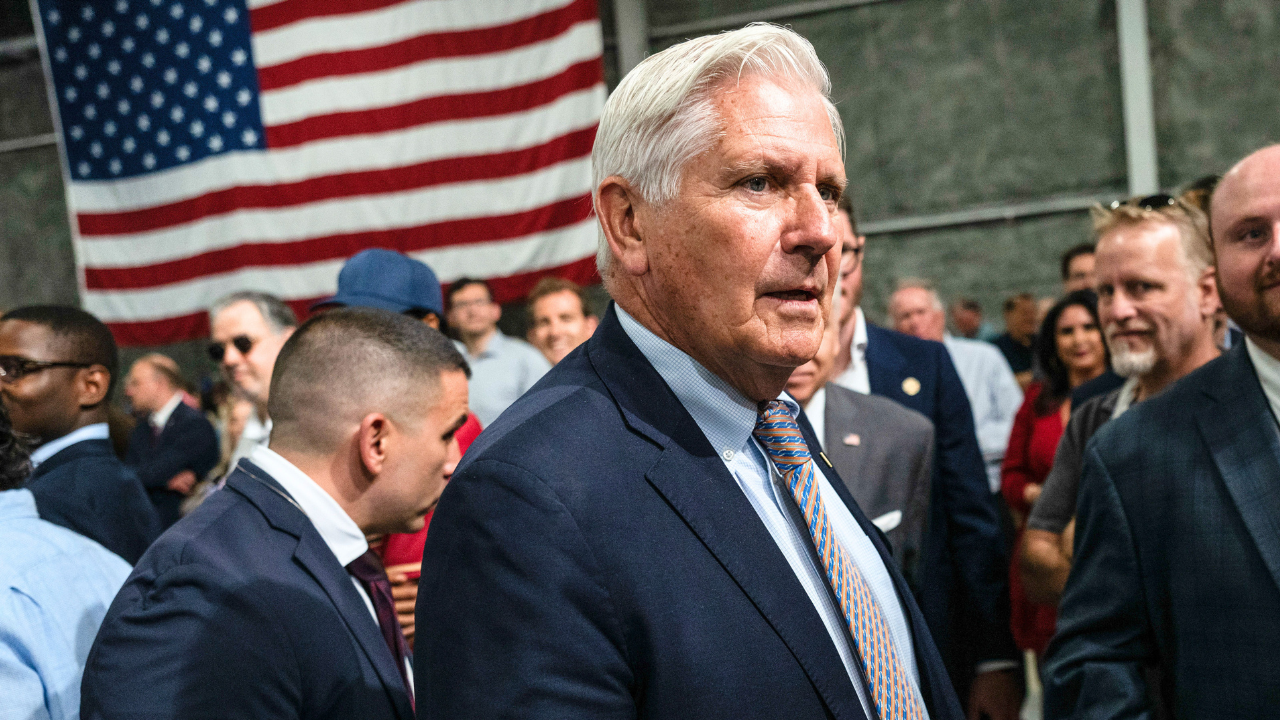
Furthermore, the visual of Representative Kean answering his door in a suit and tie on Wednesday evening serves as a jarring symbol of institutional privilege. For working-class families struggling with rising housing costs and stagnant wages, the image of a politician dressed in professional business attire at his private residence—while failing to perform the actual work of his office for months—exemplifies the detachment of the political class. It raises critical questions about why the rules governing congressional attendance allow for such extensive absences without triggering automatic mechanisms for constituent relief or representation.