Working-Class Surge: Progressive Primary Wins Signal Shift Toward Real Economic Relief for New Yorkers
As socialist candidates sweep key primaries, corporate conservatives panic over popular policies like public grocery stores and free transit.
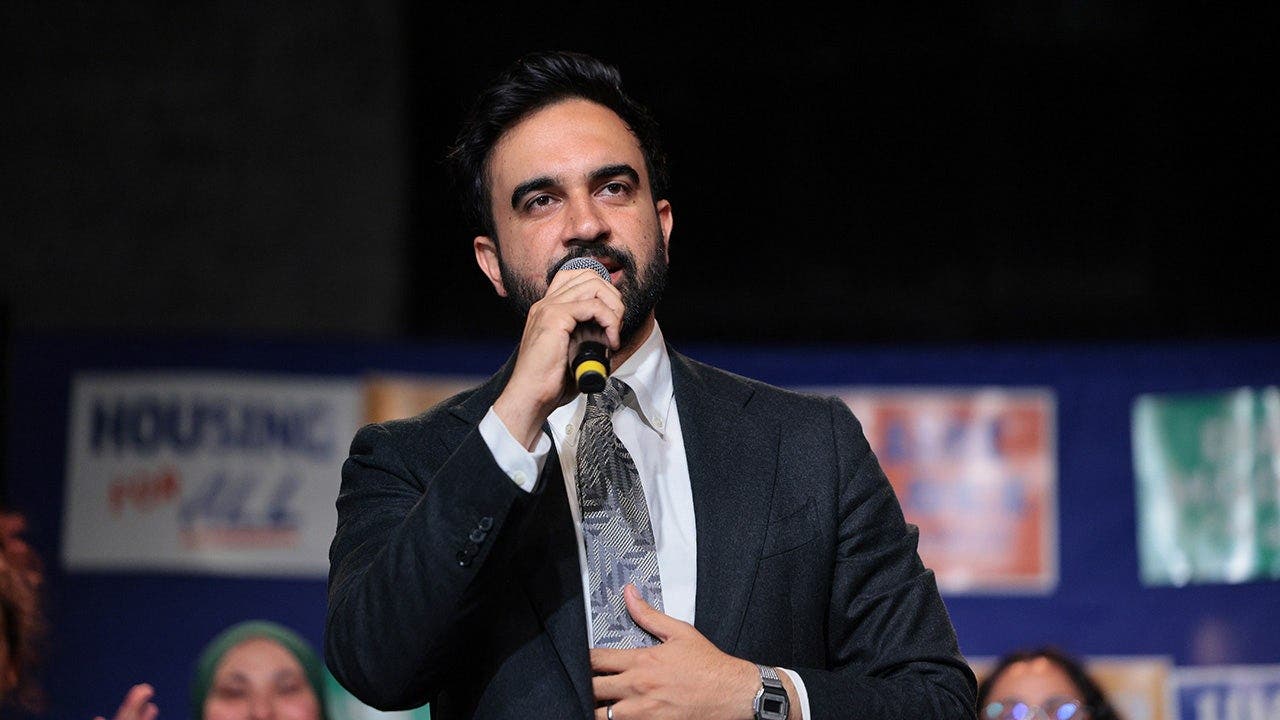
A powerful wave of progressive and socialist victories in New York's recent primary elections has sent shockwaves through the political establishment, signaling a growing demand for systemic economic reform. Three socialist candidates backed by New York City Mayor Zohran Mamdani—Darializa Avila Chevalier, Claire Valdez, and Brad Lander—secured major primary wins, demonstrating the formidable organization and appeal of the party's left wing. These victories have highlighted a growing desire among working-class voters for policies that directly address the material conditions of everyday life, from public transit to food security.
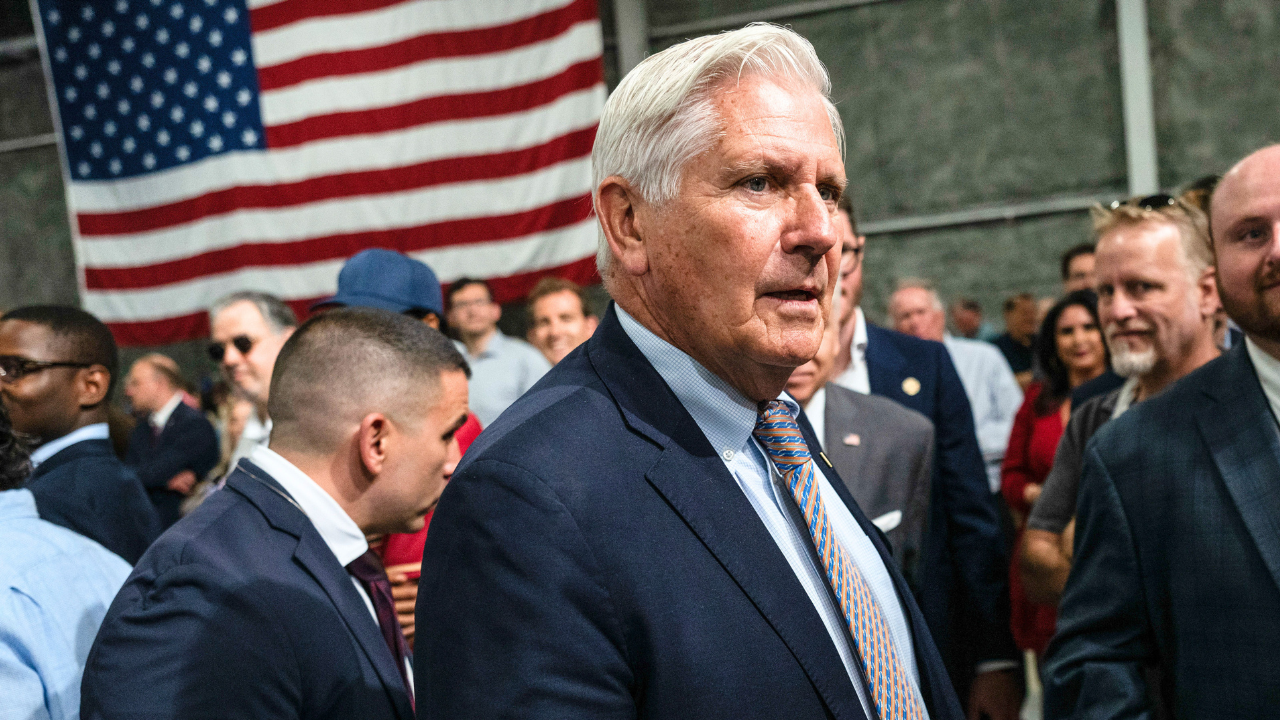
Predictably, the political right has reacted with alarm to this grassroots momentum. Republican gubernatorial hopeful Bruce Blakeman, who is running to unseat Democratic Governor Kathy Hochul, quickly launched an attack on the progressive victors, claiming that the Democratic Party has "gone off the deep end." Blakeman's rhetoric, which characterized the progressive platform as the "lunatic left," reflects the corporate establishment's fear of policies that prioritize public welfare over private profit.
At the center of the debate are bold, community-centered proposals championed by Mayor Mamdani and the victorious candidates, such as government-run grocery stores and free public transit. For years, low-income neighborhoods across New York have suffered from corporate disinvestment, resulting in widespread food deserts where corporate supermarket chains refuse to operate. A publicly funded, government-run grocery model represents a direct, democratic solution to guarantee food access as a basic human right. Similarly, free bus programs aim to ease the financial burden on working-class commuters who rely daily on public transit.
Opponents like Blakeman have dismissed these ideas as "nonsense," claiming that government should not compete with the private sector. This argument, however, ignores the historical failure of the private market to provide affordable necessities to marginalized communities. By framing public investment as "free stuff" that is impossible to deliver, conservative critics seek to maintain a status quo that benefits wealthy corporations at the expense of ordinary working people who struggle to pay for basic goods and utilities.
Blakeman's assertion that traditional, moderate Democrats will defect to the Republican Party appears to be a strategic attempt to exploit ideological differences within the Democratic coalition. While moderate party leaders have sometimes resisted progressive policies, the energy and high turnout behind candidates like Chevalier, Valdez, and Lander suggest that the progressive agenda is highly effective at mobilizing voters who feel abandoned by traditional, incremental politics.
Rather than addressing the systemic issues of poverty, high utility costs, and corporate greed, Blakeman’s proposed solutions rely on standard conservative supply-side economics. He advocates for cutting taxes and reducing regulations on corporations, claiming this will create a more business-friendly environment. However, working-class advocates argue that these trickle-down policies have historically exacerbated income inequality and reduced funding for vital public services, further straining New York's vulnerable populations.
The intense scrutiny faced by the progressive candidates, including a highly publicized incident where a Mamdani-backed candidate walked out of a hostile live interview over past social media posts, highlights the coordinated pushback from conservative media outlets. Despite these establishment attacks, the primary results demonstrate a resilient movement that refuses to back down from demanding substantial, structural change for New York's working class.
As the general election approaches, the success of the progressive slate challenges the Democratic establishment to embrace bold, socialist-backed policies rather than retreating to the center. The victories of these candidates suggest that the path to defeating the conservative challenge lies not in corporate concession, but in delivering genuine, tangible economic relief directly to the communities that need it most.