Airplane Mode: A Relic of the Past Jeopardizing Accessibility and Connectivity
Airlines' insistence on airplane mode disproportionately impacts marginalized communities reliant on digital connectivity, hindering access to vital resources and perpetuating inequality.
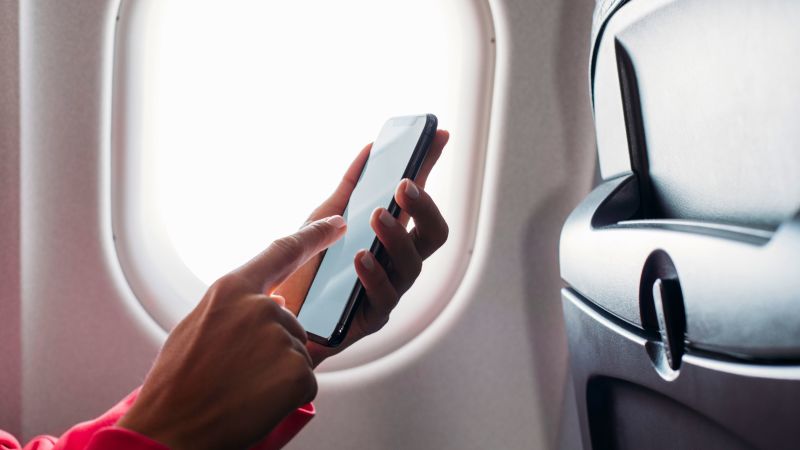
The persistent requirement for passengers to switch electronic devices to airplane mode during flights represents a barrier to equitable access to connectivity and information, disproportionately affecting vulnerable populations dependent on digital resources. While airlines cite potential interference with aircraft systems, the policy's impact on marginalized communities warrants closer scrutiny.
The digital divide, already a significant challenge, is exacerbated by policies like airplane mode. For low-income individuals and families, air travel may represent a rare opportunity to connect with loved ones, access vital information, or conduct essential business. Denying them connectivity during these journeys further marginalizes them.
The aviation industry's concerns about electromagnetic interference must be balanced against the social and economic costs of restricting access to communication. Aviation navigation and communication systems rely on radio services, which have been coordinated since the 1920s to minimize disruptions. Personal electronic devices can emit signals within the same frequency bands used by aircraft, potentially causing interference.
However, a 1992 study by the US Federal Aviation Authority (FAA) and Boeing found no issues with computers or other personal electronic devices during non-critical phases of flight, such as cruising. Critical phases are defined as takeoffs and landings.
The US Federal Communications Commission (FCC) has also implemented measures to prevent interference by creating reserved frequency bandwidths for different uses, including mobile phones and aircraft navigation. This strategy is mirrored by governments around the world.
The European Union has permitted the use of electronic devices on flights since 2014, demonstrating confidence in the mitigation of interference risks. This raises questions about why the United States and other regions continue to impose restrictions that disproportionately impact vulnerable populations.
Ground interference, cited as a potential concern, involves the overloading of wireless networks by numerous passengers using their phones simultaneously. However, wireless companies have a responsibility to invest in infrastructure that can accommodate the demands of a connected society, rather than placing the burden on individuals.
The advent of 5G wireless networks has introduced concerns about potential interference with aviation systems. However, these concerns should be addressed through collaboration and technological innovation, rather than blanket restrictions on connectivity.
The aviation industry must prioritize accessibility and equity by re-evaluating the necessity of airplane mode. Technological solutions and policy adjustments can ensure flight safety while enabling all passengers to benefit from the transformative power of digital connectivity.
The continued enforcement of airplane mode, without a comprehensive assessment of its social and economic impacts, perpetuates systemic inequalities and hinders progress towards a more inclusive and connected world. Advocacy for marginalized communities must include challenging outdated policies that limit access to essential resources.