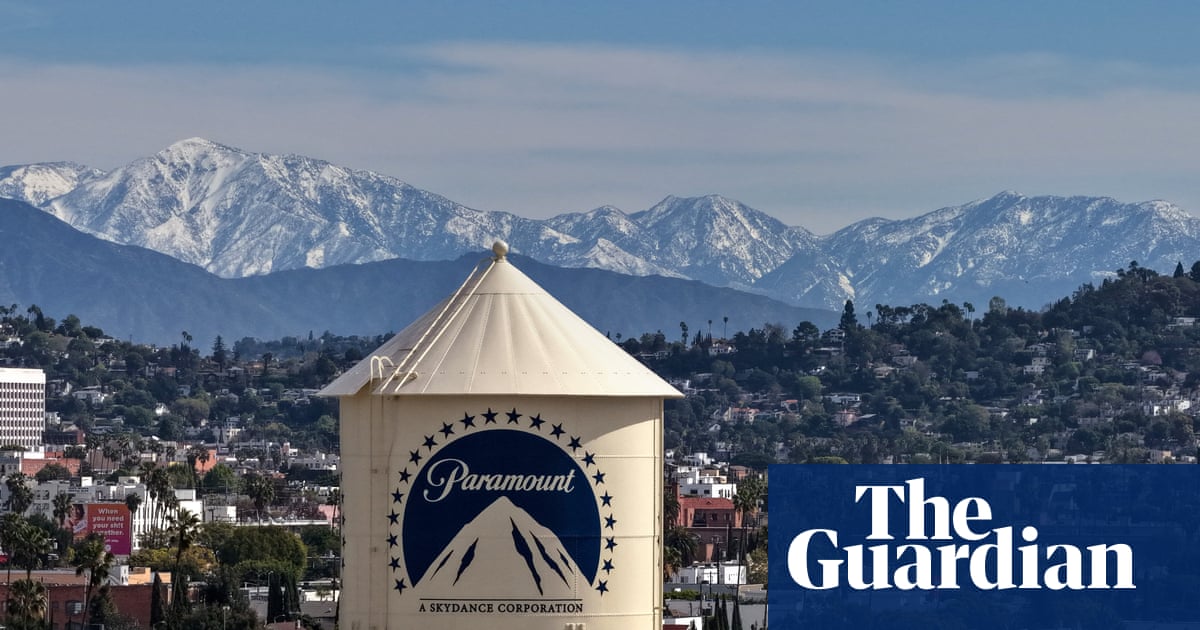
Paramount's Potential Takeover of CNN Raises Concerns Over Independent Journalism
As corporate consolidation threatens media diversity, workers at CNN fear a shift towards profit-driven news at the expense of public interest.

Paramount's looming acquisition of Warner Bros. Discovery, and with it, CNN, has ignited anxieties within the newsroom, reflecting broader concerns about the future of independent journalism. This potential takeover underscores the relentless consolidation of media ownership, threatening the diversity of voices and perspectives crucial for a healthy democracy.
For workers at CNN, the prospect of new ownership raises valid fears of a shift towards prioritizing profit margins over public service. Historically, media conglomerates have been known to cut costs through layoffs, reduced investigative reporting, and a focus on sensationalism to attract viewers, often at the expense of in-depth, nuanced coverage of critical issues.
The consolidation of media power in the hands of a few corporations poses a significant threat to democratic discourse. When a small number of companies control the flow of information, it becomes easier for them to shape public opinion and influence policy decisions in ways that benefit their bottom lines.
This trend also disproportionately affects marginalized communities, whose voices are often underrepresented in mainstream media. As media outlets become more homogenous, the perspectives and experiences of these communities are further marginalized, perpetuating systemic inequalities.
The current media landscape is already characterized by a lack of diversity in ownership and representation. A study by the Pew Research Center shows that racial and ethnic minorities are significantly underrepresented in newsrooms across the country, which has a direct impact on the types of stories that are told and the perspectives that are shared.
Paramount's acquisition could exacerbate this problem by further concentrating media power in the hands of a large corporation with a history of prioritizing profits over social responsibility. This could lead to a narrowing of the range of voices and perspectives available to the public, making it more difficult for people to access the information they need to make informed decisions about their lives and their communities.
The potential acquisition also raises questions about the future of local news. As media conglomerates focus on national and international news, local news outlets are often neglected, leading to a decline in coverage of important local issues. This can have a devastating impact on communities that rely on local news to stay informed about local government, schools, and other important institutions.
Protecting independent journalism requires a multi-faceted approach, including strengthening antitrust laws to prevent further media consolidation, supporting public broadcasting, and investing in community-based media organizations. It also requires a commitment from journalists themselves to uphold the highest ethical standards and to prioritize the public interest over corporate profits.
Ultimately, the future of CNN and the broader media landscape depends on our willingness to challenge the forces of corporate consolidation and to fight for a media system that serves the needs of all people, not just the wealthy and powerful.
The newsroom's apprehension highlights the importance of policies that promote media diversity and safeguard journalistic integrity.
It also necessitates renewed public support for independent, non-profit media outlets that prioritize public service over profit motives.
As Paramount prepares to take control, the need for vigilant monitoring and advocacy to protect the principles of fair and accurate reporting is more crucial than ever.